

19 Winter Vegetables Gardening Tips for Higher Yields
Winter vegetables gardening offers a rewarding way to extend your growing season, providing fresh, nutrient-rich produce even in colder months. Many gardeners overlook the potential of winter gardens, but with the right strategies, you can achieve impressive yields of hardy crops like kale, carrots, and Brussels sprouts. These vegetables not only thrive in cooler temperatures but often taste sweeter after a light frost. By focusing on soil preparation, plant selection, and protection techniques, winter vegetables gardening can boost your harvest while reducing pest issues and water needs compared to summer gardening. Whether you’re a beginner or seasoned grower, these tips will help maximize productivity and enjoy homegrown veggies through the chill.

Tip 1: Choose a Sunny, Sheltered Location
Selecting the optimal spot is crucial in winter vegetables gardening. Aim for a site that receives at least 6-8 hours of sunlight daily, as shorter days limit light availability. Position your garden in a south-facing area to capture maximum winter sun. Protect plants from harsh winds by using natural barriers like fences or hedges, which can prevent desiccation and cold damage. In windy regions, consider installing windbreaks made from burlap or plastic sheeting. This setup not only promotes healthier growth but also extends the growing period, leading to higher yields of crops like spinach and leeks.
Tip 2: Improve Soil Drainage with Raised Beds
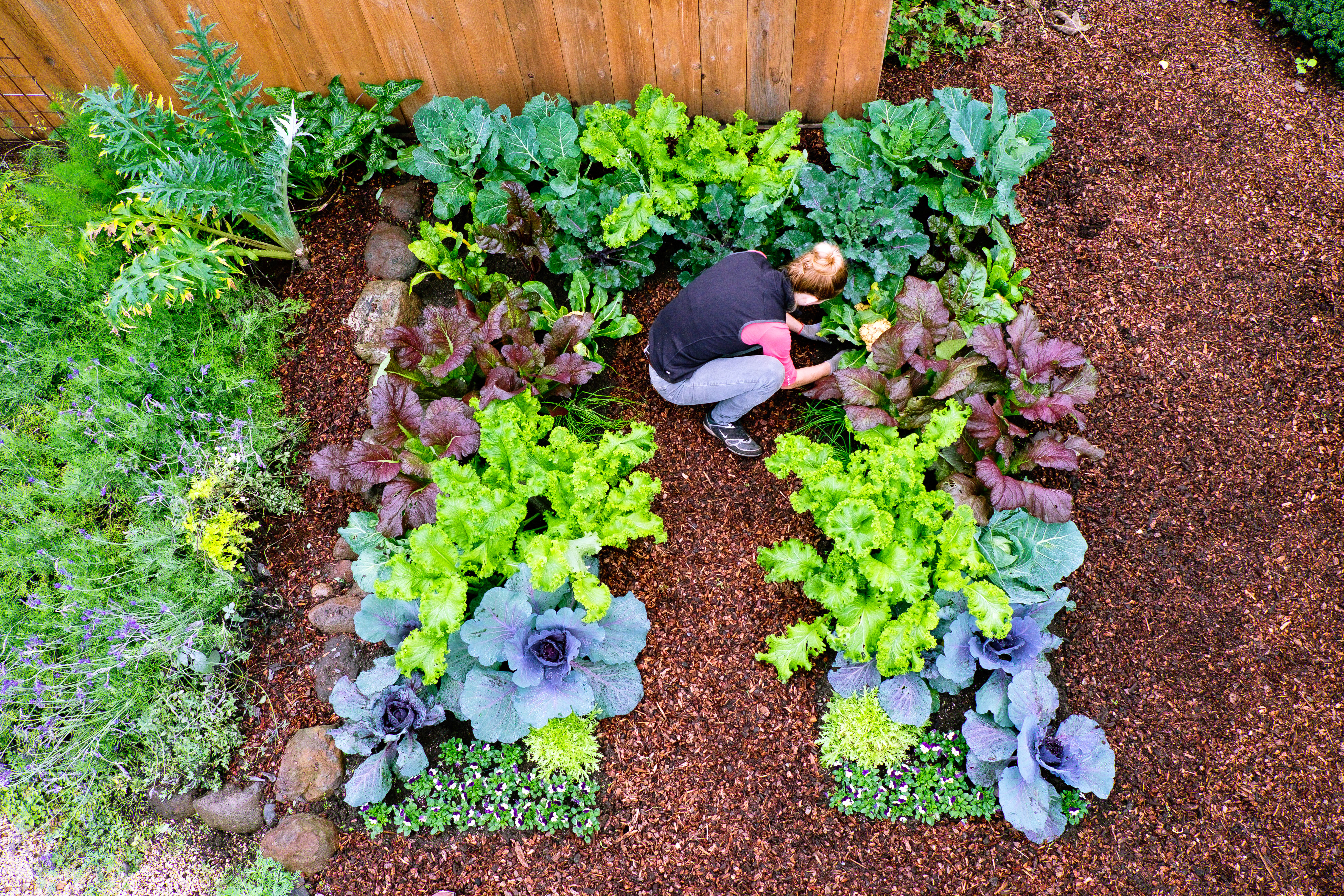
Poor drainage can doom winter vegetables gardening efforts, as waterlogged soil leads to root rot in cold weather. Raised beds elevate the planting area, allowing excess water to drain away quickly. Fill them with a mix of loamy soil, compost, and perlite for optimal aeration. This method is especially beneficial in areas with heavy rainfall, ensuring roots stay healthy and productive. Raised beds also warm up faster in spring, giving your crops a head start. Expect increased yields from root vegetables like beets and radishes, which perform best in well-drained conditions.
Tip 3: Amend Soil with Organic Matter in Advance
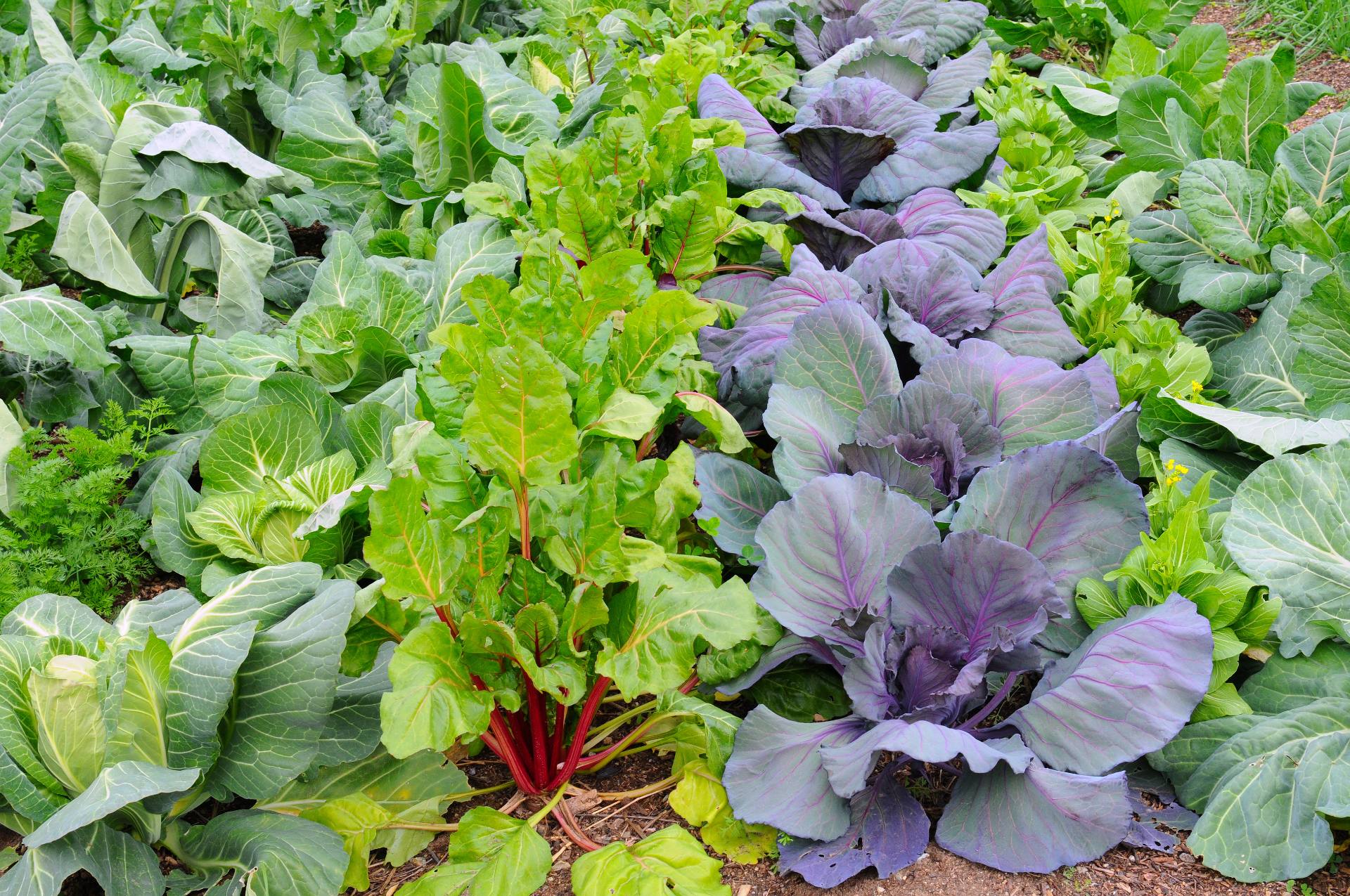
Rich, fertile soil is the foundation of successful winter vegetables gardening. Incorporate compost, aged manure, or leaf mold into your beds during fall to build nutrient levels over winter. This organic matter improves soil structure, retains moisture, and provides slow-release nutrients. Aim for a 2-4 inch layer worked into the top 6-12 inches of soil. By spring planting time, the amendments will have integrated, supporting robust root development and higher yields. Crops like cabbage and broccoli benefit greatly, producing larger heads and more abundant harvests.

Tip 4: Select Cold-Tolerant Vegetable Varieties
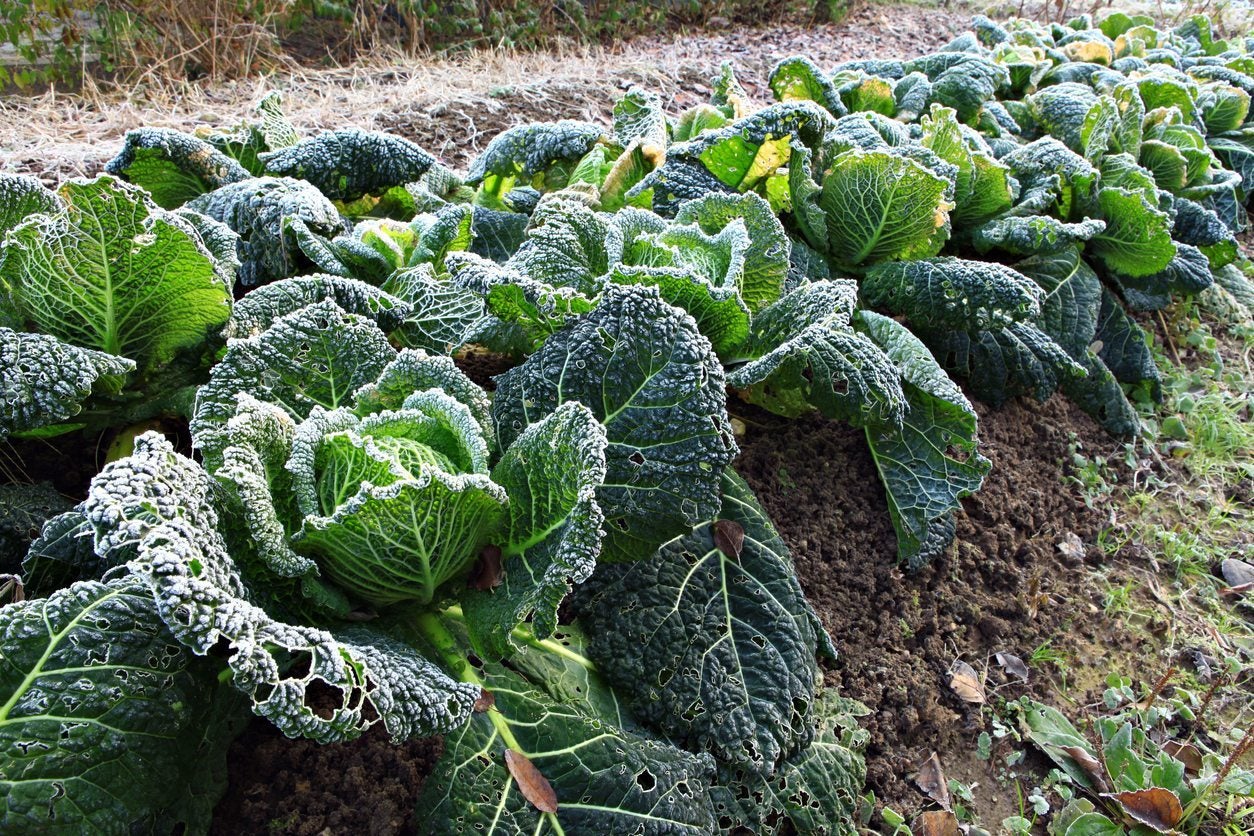
In winter vegetables gardening, variety selection makes all the difference for yields. Opt for hardy cultivars bred for cold resistance, such as ‘Winterbor’ kale or ‘January King’ cabbage. These plants can withstand frosts down to 20°F and continue producing. Research varieties suited to your USDA zone—early-maturing types are ideal for shorter seasons. Heat-tolerant options aren’t needed here; focus on frost-proof ones to minimize losses and maximize output. This approach ensures consistent harvests of leafy greens and brassicas throughout the winter.
Tip 5: Use Season Extenders for Frost Protection
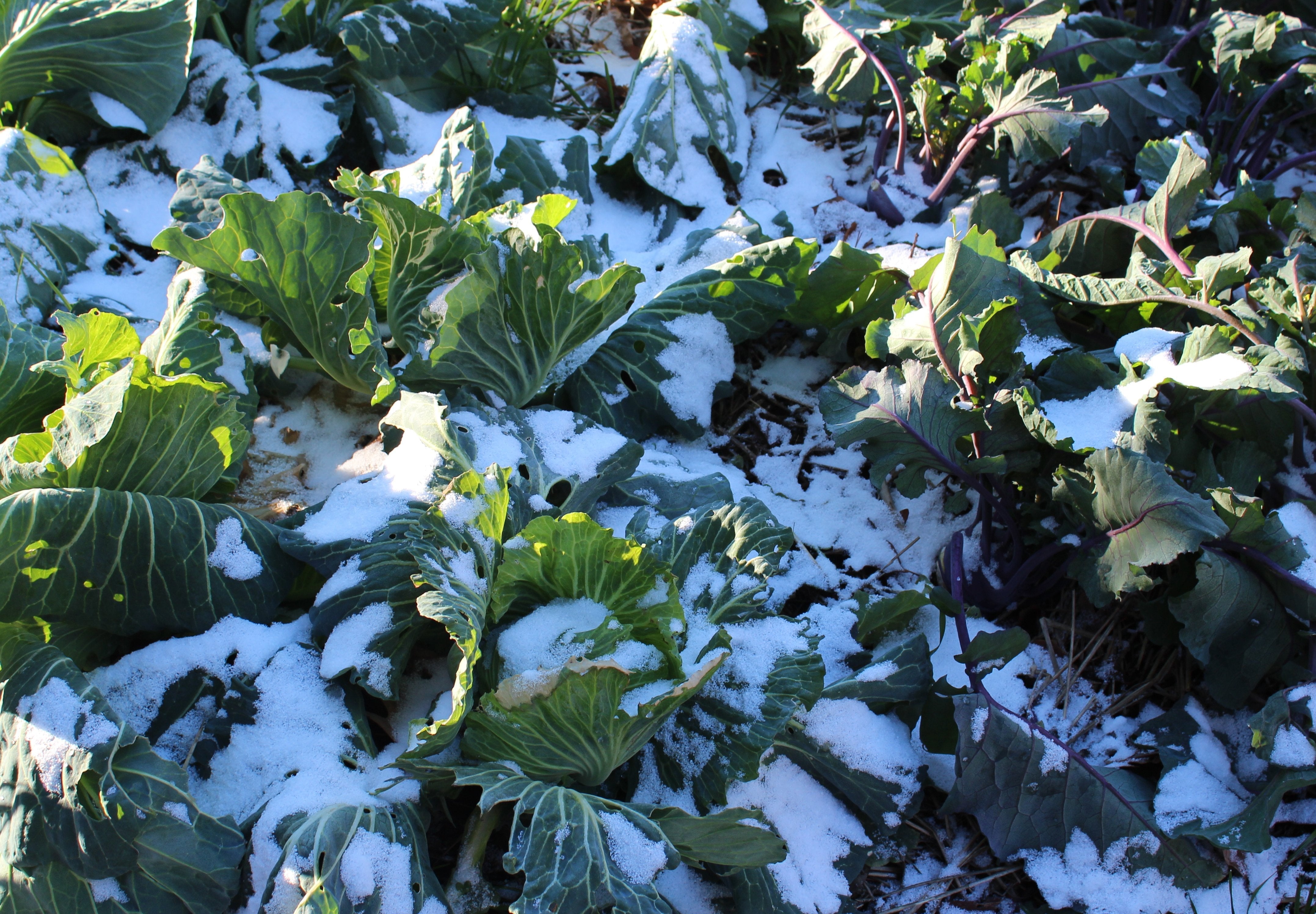
Extend your winter vegetables gardening season with tools like cold frames, row covers, or mini hoop tunnels. These structures trap heat and shield plants from extreme cold, allowing growth even in sub-freezing temperatures. Floating row covers provide 4-6 degrees of protection while permitting light and rain. For harsher climates, use insulated cold frames to overwinter tender greens. This technique can double yields by protecting crops like lettuce and arugula, ensuring they mature fully without frost damage.
Tip 6: Apply Mulch to Conserve Moisture and Suppress Weeds
Mulching is a game-changer in winter vegetables gardening. Spread a 2-3 inch layer of organic mulch like straw or shredded leaves around plants to retain soil moisture, regulate temperature, and block weeds. This reduces watering needs and prevents soil erosion during winter rains. Mulch also insulates roots, promoting steady growth. As it decomposes, it adds nutrients back into the soil. You’ll see higher yields from crops like carrots and onions, which thrive in consistent conditions without competition from weeds.

Tip 7: Fertilize with Potassium and Phosphorus Focus
Balanced nutrition boosts yields in winter vegetables gardening. Prioritize fertilizers high in potassium and phosphorus to enhance frost resistance and root strength. Apply a slow-release formula in early fall, supplemented with secondary nutrients like sulfur and magnesium. Avoid excess nitrogen, which promotes leafy growth vulnerable to cold. Timed applications ensure plants build resilience, leading to bountiful harvests of root and cole crops. Regular soil testing helps tailor your approach for optimal results.
Tip 8: Grow in Containers for Flexibility
Container gardening adds versatility to winter vegetables gardening, especially in small spaces or variable climates. Use large pots with good drainage for crops like Swiss chard or herbs. This allows moving plants indoors during severe freezes, protecting yields. Fill with quality potting mix amended with compost for nutrient retention. Containers warm up quicker than ground soil, accelerating growth. Enjoy higher productivity from compact varieties, ideal for balconies or patios.

Tip 9: Practice Companion Planting
Enhance winter vegetables gardening through companion planting. Pair crops like basil with tomatoes to deter pests, or carrots with onions to repel flies. This natural method improves yields by fostering beneficial interactions and reducing disease. Avoid incompatible pairs that compete for resources. In winter setups, companions like marigolds add frost protection and attract pollinators. This strategy leads to healthier plants and increased harvests without chemicals.
Tip 10: Rotate Crops Annually
Crop rotation is essential in winter vegetables gardening to prevent soil depletion and disease buildup. Alternate plant families—e.g., follow brassicas with legumes—to maintain fertility. This practice disrupts pest cycles and allows soil recovery, boosting long-term yields. Plan rotations over 3-4 years for best results. You’ll notice fewer issues and higher productivity from crops like potatoes and beans in subsequent seasons.

Tip 11: Start Fertilizing Early for Root Development
Begin nutrient applications early in winter vegetables gardening to foster strong roots. Early feeding with balanced fertilizers supports establishment before cold sets in. This leads to resilient plants that yield more. Time it for fall planting to maximize absorption. Strong roots mean better nutrient uptake, resulting in larger, healthier harvests of tubers and greens.

Tip 12: Install Wind Protection Structures
Wind can devastate winter vegetables gardening. Erect barriers or use cloches to shield plants, reducing moisture loss and breakage. This simple step preserves foliage and enhances yields. In exposed areas, wind protection can increase survival rates by 20-30%, leading to more abundant crops like kale.

Tip 13: Maximize Natural Light Exposure
Light is limited in winter vegetables gardening, so position beds to avoid shade from trees or buildings. Reflective mulches can bounce light onto plants, boosting photosynthesis. This tip ensures steady growth and higher yields, particularly for leafy vegetables needing ample sun.
Tip 14: Water Deeply but Infrequently
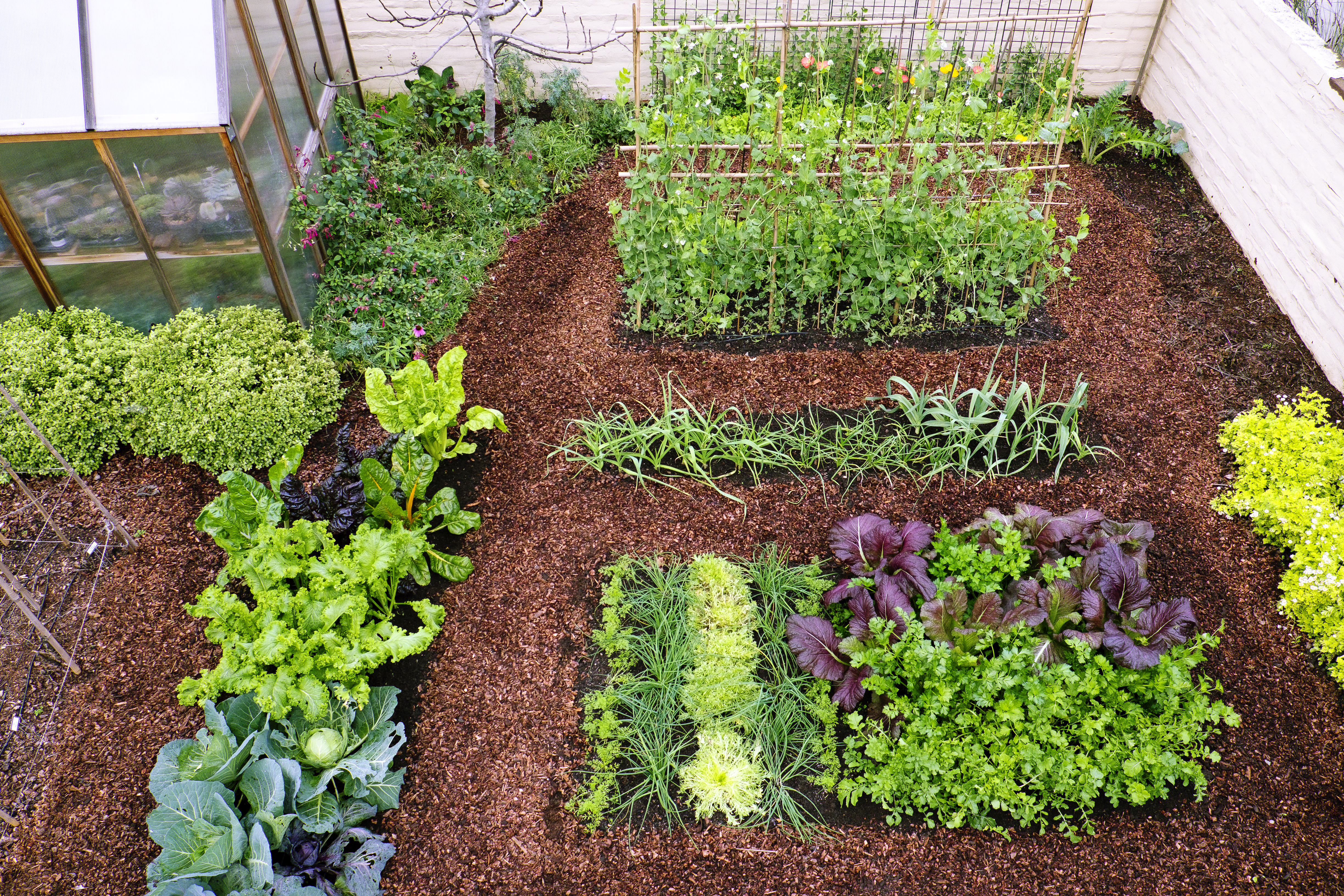
Proper watering sustains winter vegetables gardening. Deep, infrequent sessions encourage deep roots, while overwatering invites rot. Monitor soil moisture and water only when dry. This conserves resources and promotes resilient plants with superior yields.

Tip 15: Monitor and Control Pests Organically
Pests persist in winter vegetables gardening. Use organic methods like neem oil or companion plants to deter aphids and slugs. Regular inspections catch issues early, preserving yields. Healthy plants resist pests better, leading to bountiful harvests.
Tip 16: Plant High-Yield, Region-Specific Crops
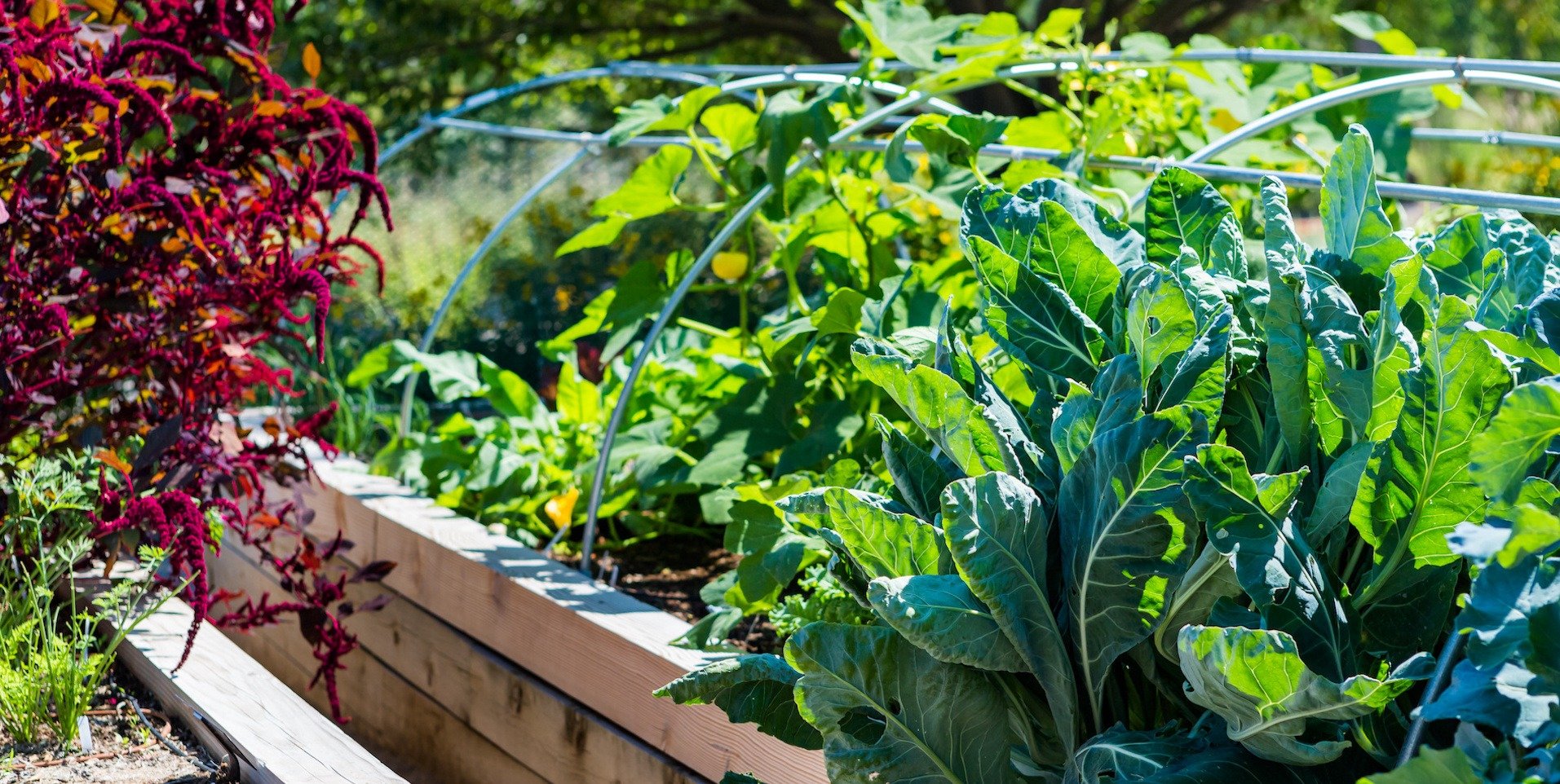
Focus on high-yield varieties in winter vegetables gardening suited to your area. Crops like Swiss chard offer continuous harvests. This maximizes space and output, ensuring a steady supply of fresh produce.

Tip 17: Time Plantings for Successive Harvests
Stagger plantings in winter vegetables gardening for continuous yields. Sow seeds every 2-3 weeks to avoid gluts. This extends the harvest window, increasing overall production.

Tip 18: Use Triangular Planting Patterns
Ditch rows for triangles in winter vegetables gardening to optimize space. This intensive method allows more plants per square foot, boosting yields without crowding.
Tip 19: Incorporate Climbing Varieties
Grow vertical in winter vegetables gardening with climbing peas or beans on trellises. This saves ground space for other crops, increasing overall yields in limited areas.
FAQs
What are the best vegetables for winter gardening?
Popular choices include kale, carrots, Brussels sprouts, and spinach, which tolerate cold and provide high yields.
How do I protect my winter garden from frost?
Use row covers, cloches, or mulch to insulate plants and extend the growing season.
When should I start preparing for winter vegetables gardening?
Begin in late summer or early fall by amending soil and selecting seeds.
Can I grow winter vegetables in containers?
Yes, containers offer flexibility and protection, ideal for small spaces.
Why is mulching important in winter gardening?
It conserves moisture, suppresses weeds, and insulates roots for better yields.
How often should I water winter vegetables?
Water deeply when soil is dry, typically less frequently than in summer due to cooler temps.
What fertilizers work best for winter crops?
Focus on potassium-rich options to build frost resistance and root health.
Is crop rotation necessary for winter gardening?
Yes, it prevents diseases and maintains soil fertility for sustained high yields.
How can I increase light in a winter garden?
Choose sunny spots and use reflective materials to maximize available sunlight.
What pests affect winter vegetables?
Aphids and slugs are common; use organic controls for protection.
Final Words
Embracing winter vegetables gardening with these 19 tips can transform your cold-season efforts into a productive venture. From soil preparation to pest management, each strategy contributes to higher yields and healthier plants. Remember, patience and observation are key—adjust based on your local climate for the best results. Start small, learn from each season, and soon you’ll enjoy fresh harvests year-round. Happy gardening!


