

20 Winter Vegetables You Can Grow in Cold Weather
Winter doesn’t have to mean the end of your gardening season. In fact, growing winter vegetables can provide fresh, nutritious produce right when you need it most—during the colder months. These hardy plants thrive in low temperatures, often becoming sweeter and more flavorful after exposure to frost. Whether you’re in a region with mild winters or harsher climates, selecting the right winter vegetables allows you to extend your harvest and enjoy homegrown food year-round. This guide explores 20 frost-tolerant options, complete with growing tips and benefits, to help you cultivate a thriving cold-weather garden. By incorporating these winter vegetables into your plot, you’ll boost soil health, reduce grocery bills, and savor the satisfaction of sustainable gardening.
Why Grow Winter Vegetables?
Growing winter vegetables offers numerous advantages beyond just fresh eats. They help prevent soil erosion, suppress weeds, and even fix nitrogen in the ground for spring crops. Many winter vegetables are packed with vitamins like A, C, and K, supporting immune health during flu season. Plus, cold-hardy varieties require less water and pest management than summer plants. With proper planning, such as using row covers or mulching, you can protect your winter vegetables from extreme freezes.
The 20 Winter Vegetables You Can Grow
Here’s a detailed look at 20 resilient winter vegetables. Each one is selected for its ability to withstand cold weather, with practical advice on planting, care, and harvesting.
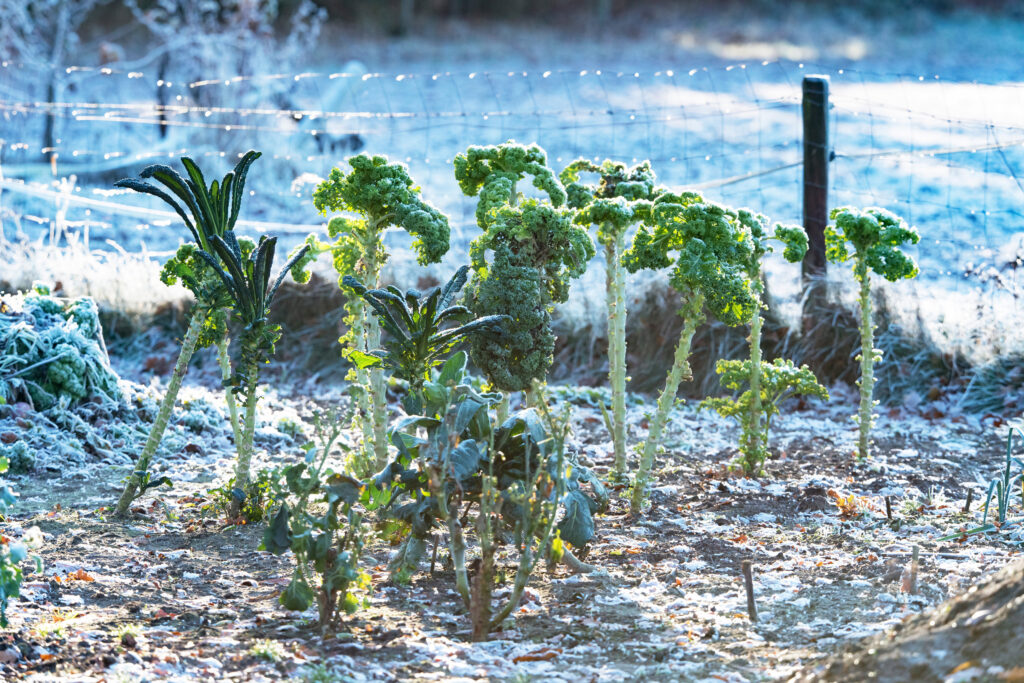
1. Kale
Kale is a superstar among winter vegetables, tolerating temperatures as low as 5°F (-15°C). This leafy green actually improves in flavor after frost, turning sweeter as starches convert to sugars. Plant in late summer for a winter harvest, spacing seedlings 12-18 inches apart in well-drained soil with full sun. Mulch heavily to retain moisture and protect roots. Harvest outer leaves continuously for ongoing production. Nutritionally, kale is loaded with antioxidants, fiber, and iron, making it ideal for soups, salads, or chips. It’s low-maintenance, resistant to many pests, and can even survive under snow cover in milder zones.
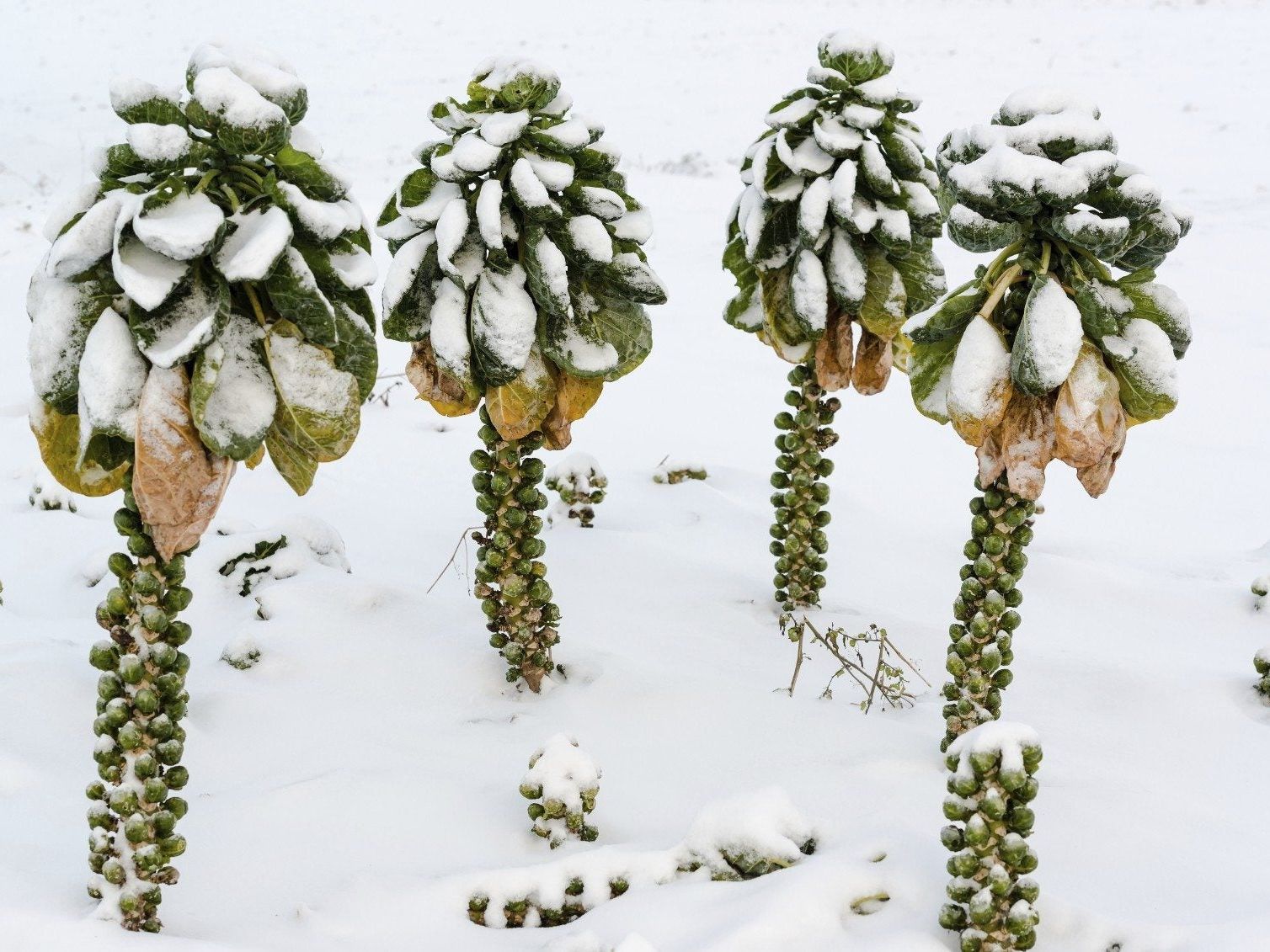
2. Brussels Sprouts
Brussels sprouts are quintessential winter vegetables that mature slowly, perfect for cold-weather growth. They handle frosts down to 20°F (-7°C) and taste better after chilling. Sow seeds indoors in early summer, transplanting outdoors with 24-inch spacing. Stake tall plants to prevent wind damage. Harvest from the bottom up as sprouts firm up. Rich in vitamin C and glucosinolates, they support detoxification and heart health. These mini cabbages add a nutty flavor to roasts and stir-fries. In zones 3-9, they overwinter well with protection like burlap wraps.
3. Carrots
Carrots are root winter vegetables that store sugars underground, surviving freezes to 15°F (-9°C). Plant in fall for overwintering; the cold enhances their sweetness. Use loose, sandy soil to avoid forking, sowing seeds 1/4 inch deep in rows 12 inches apart. Thin seedlings to 2-3 inches. Mulch with straw to insulate and ease harvesting in frozen ground. High in beta-carotene for eye health, carrots are versatile in stews or raw snacks. They’re drought-tolerant once established and improve soil structure as you pull them.
4. Spinach
Spinach thrives as a cool-season green among winter vegetables, enduring down to 15°F (-9°C). Its leaves become tender and flavorful in cold. Direct sow in early fall, spacing 4-6 inches in fertile, moist soil with partial shade. Harvest young leaves for salads or mature ones for cooking. Packed with folate, magnesium, and vitamins, it boosts energy and bone health. Spinach is quick-growing, ready in 40-50 days, and regrows after cutting, making it a reliable winter staple.

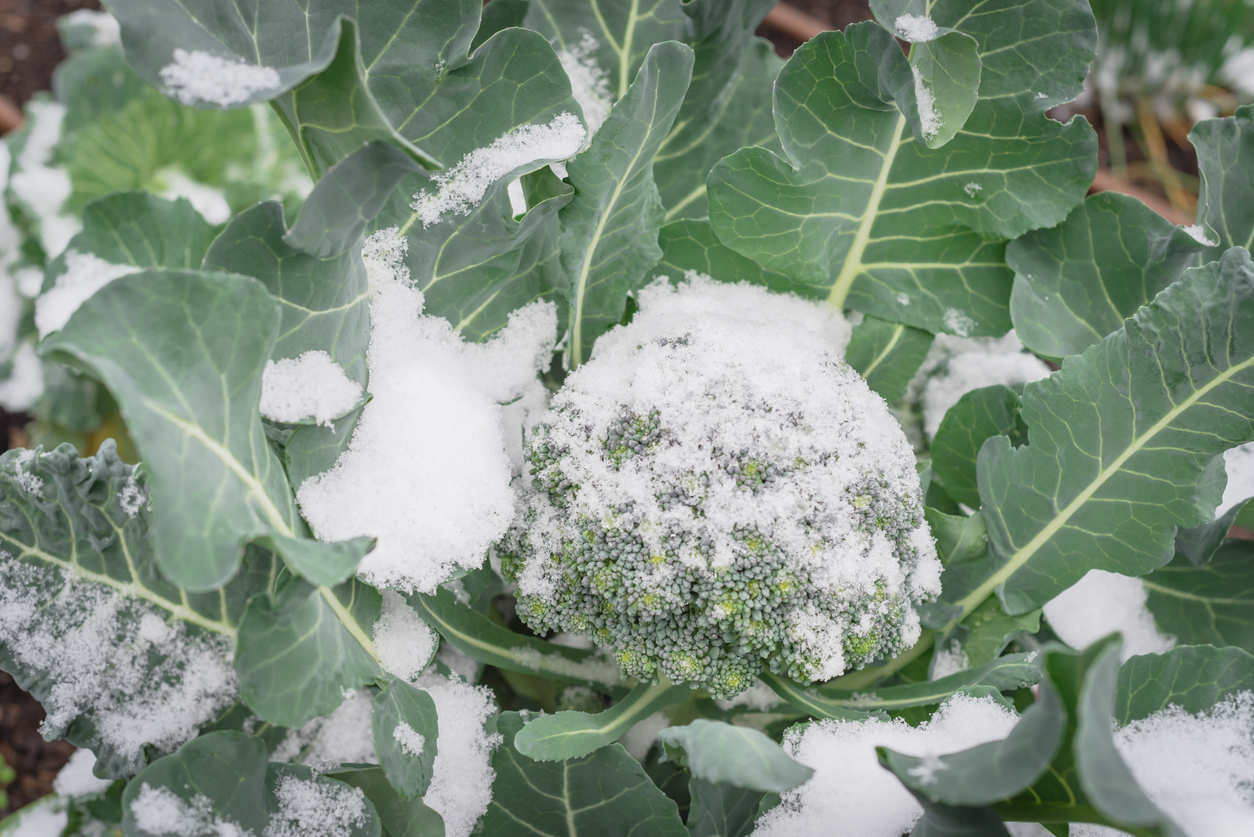
5. Broccoli
Broccoli is a robust choice for winter vegetables, tolerating 25°F (-4°C) and producing side shoots after main harvest. Start seeds indoors in summer, transplanting with 18-inch spacing in rich soil. Provide consistent moisture to prevent bolting. Cut heads when firm. Loaded with sulforaphane for cancer prevention and vitamin K for clotting, it’s great steamed or in casseroles. In colder areas, use cloches for extra protection.
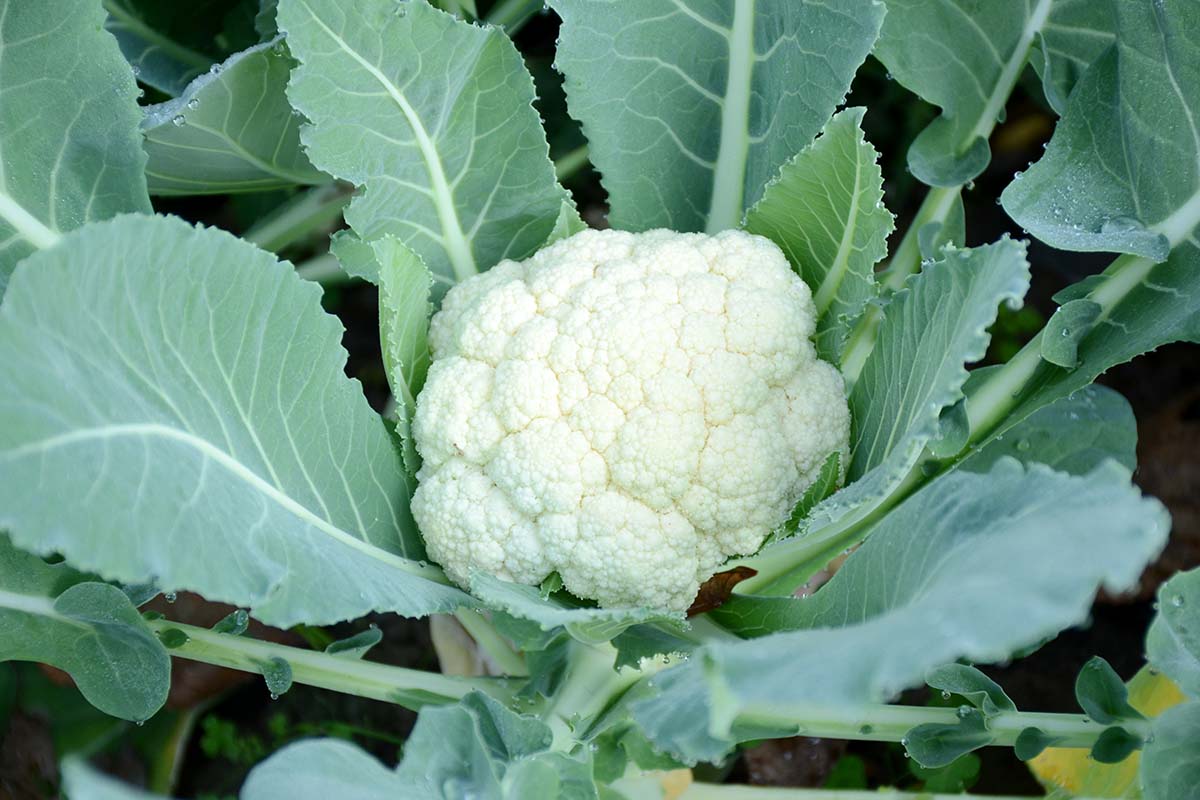
6. Cauliflower
Cauliflower, a cousin to broccoli, excels in cold weather as one of the hardier winter vegetables, surviving to 25°F (-4°C). Blanch heads by tying leaves over them to keep white curds pristine. Plant in fall, spacing 18-24 inches in neutral pH soil. Harvest when heads are tight. Rich in choline for brain health and fiber for digestion, it’s low-carb and versatile in mashes or roasts. Self-blanching varieties simplify growth.
7. Cabbage
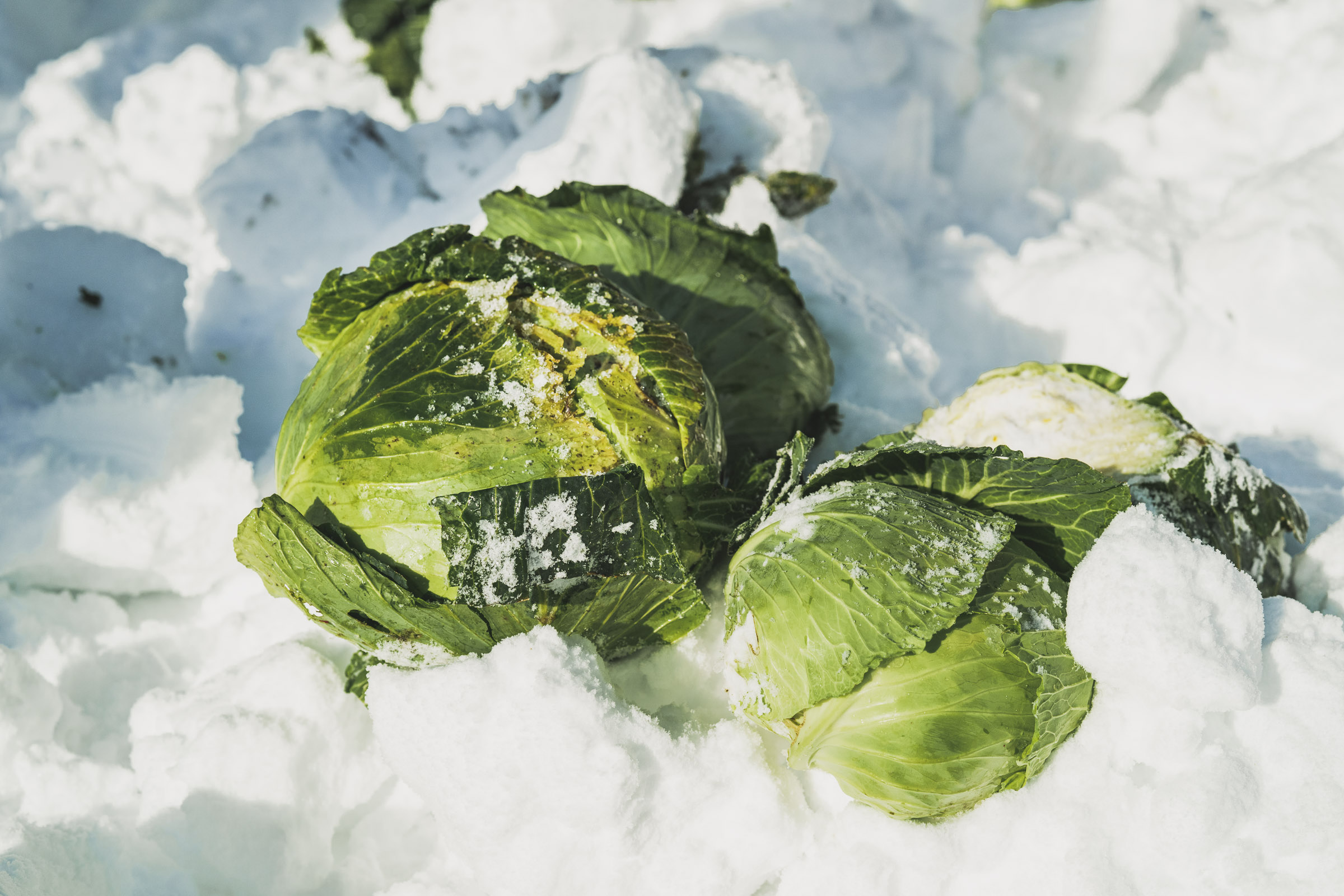
Cabbage is a classic among winter vegetables, withstanding 15°F (-9°C) and storing well post-harvest. Plant in midsummer for winter maturity, spacing 12-24 inches depending on variety. Firm soil around bases to anchor. Harvest when heads are solid. High in vitamin C and prebiotics, it aids gut health and immunity. Use for slaws, sauerkraut, or soups. Frost improves its crispness.
8. Leeks
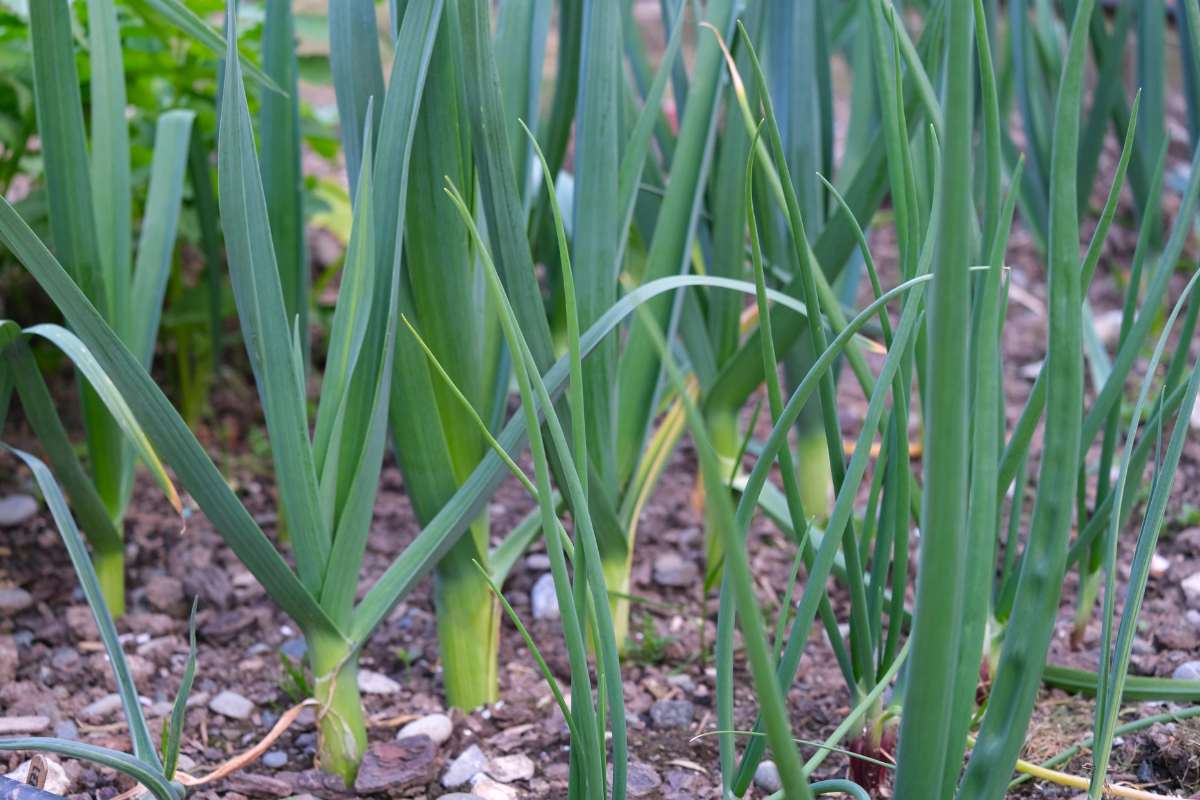
Leeks are allium winter vegetables that sweeten in cold, tolerating 5°F (-15°C). Plant in trenches, hilling soil as they grow for blanched stems. Space 6 inches apart in deep, fertile beds. Harvest as needed through winter. Rich in kaempferol for heart protection and prebiotic fibers, they’re flavorful in stocks and pies. They overwinter reliably with mulch.
9. Beets
Beets are root winter vegetables hardy to 20°F (-7°C), with edible greens too. Sow in late summer, thinning to 4 inches in loose soil. Mulch to retain moisture. Pull when 2-3 inches for tenderness. Beta vulgaris offers betaine for liver support and nitrates for blood pressure. Roast, pickle, or juice them. Cold enhances their earthy sweetness.
10. Radishes
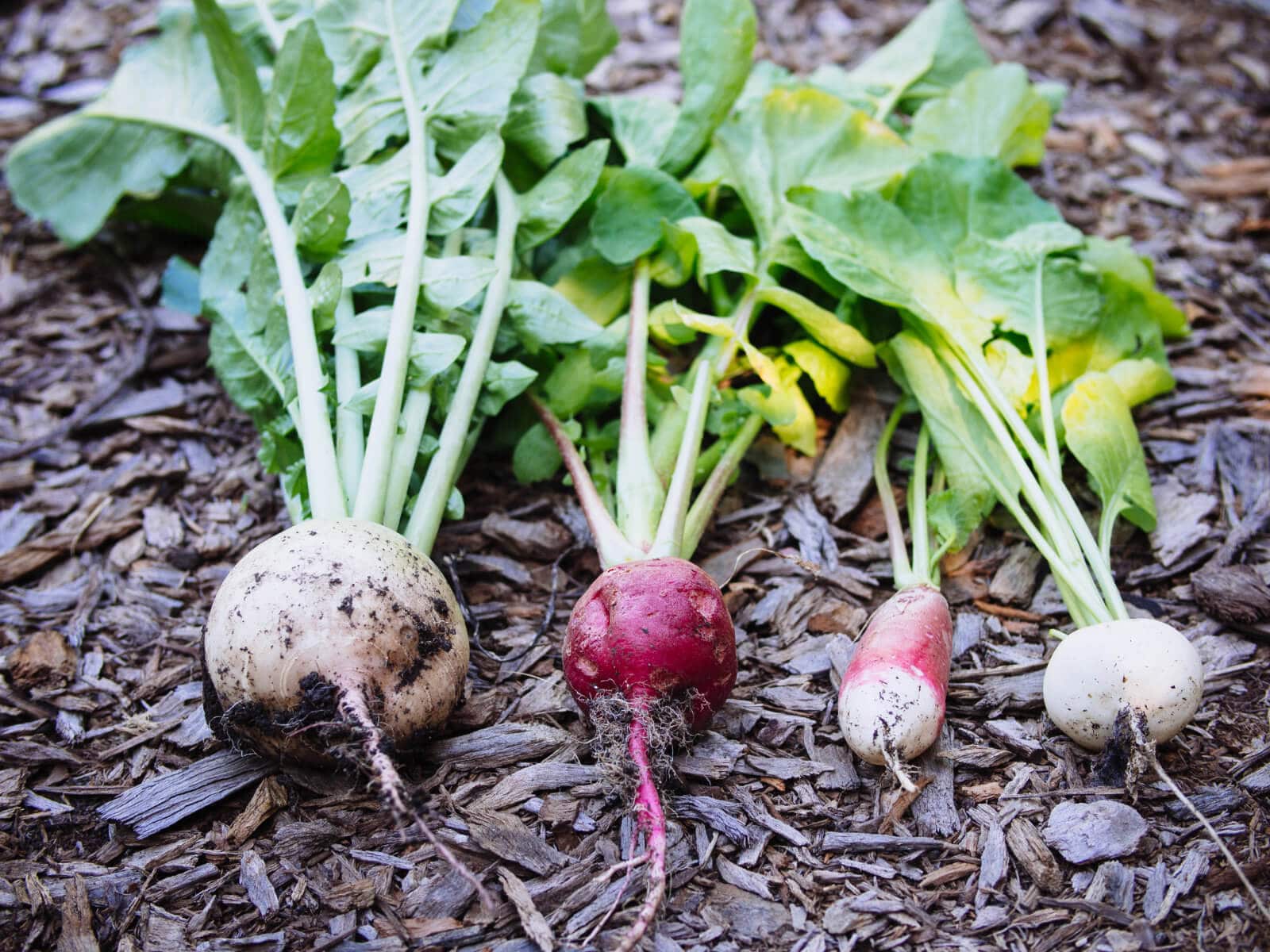
Radishes mature quickly as winter vegetables, surviving 25°F (-4°C). Winter varieties like daikon are larger and milder. Direct sow every few weeks in fall, spacing 2-4 inches. Harvest promptly to avoid woodiness. High in vitamin C and detoxifying compounds, they’re zesty in salads or ferments. They’re great for intercropping.
11. Turnips
Turnips are versatile winter vegetables, hardy to 10°F (-12°C), with greens for extra harvest. Plant in fall, spacing 4-6 inches in well-drained soil. Pull young for mild flavor. Glucosinolates aid cancer prevention, and they’re low-calorie. Braise, mash, or eat raw. Frost mellows their pungency.

12. Parsnips
Parsnips sweeten dramatically after frost, making them prime winter vegetables down to 0°F (-18°C). Sow early spring or fall in deep, stone-free soil, spacing 6 inches. Leave in ground for winter digging. High in fiber and potassium, they support digestion and blood pressure. Roast for caramelized goodness.

13. Swiss Chard
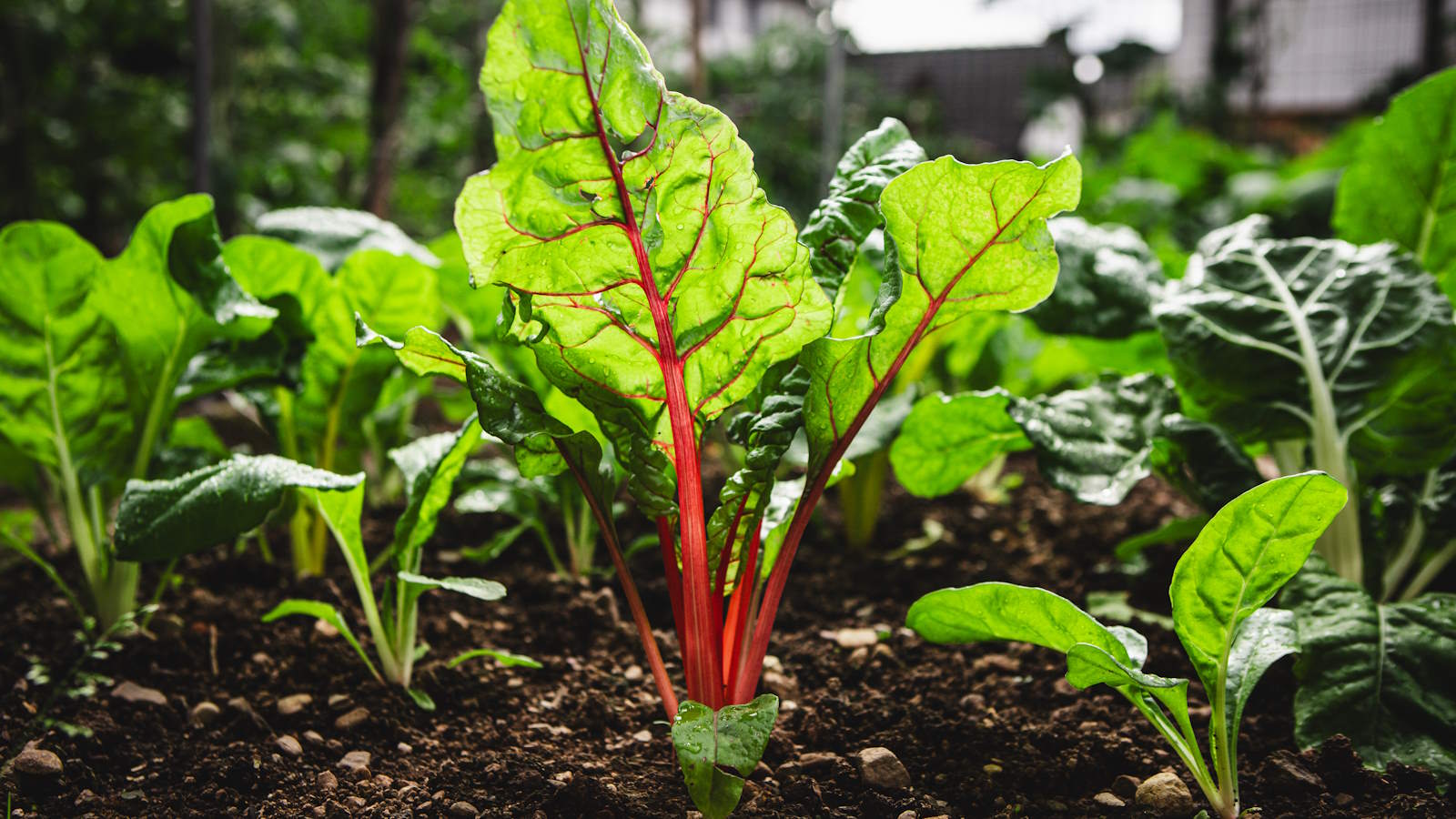
Swiss chard is a colorful leafy winter vegetable, tolerating 15°F (-9°C). Its stems add vibrancy. Plant in fall, spacing 12 inches in moist soil. Harvest outer leaves. Beta-carotene and magnesium boost vision and muscle function. Sauté or add to quiches. It’s heat- and cold-tolerant.
14. Lettuce (Winter Varieties)
Winter lettuce varieties like ‘Winter Density’ thrive in cold, down to 20°F (-7°C). Protect with cloches. Sow in fall, thinning to 8 inches. Harvest as cut-and-come-again. Low-calorie with hydration benefits, it’s salad essential. Cold slows bolting.

15. Onions
Overwintering onions are hardy winter vegetables to 10°F (-12°C). Plant sets in fall for early spring bulbs. Space 4-6 inches in sunny spots. Harvest when tops fall. Quercetin reduces inflammation. Use in everything from soups to pickles.
16. Garlic
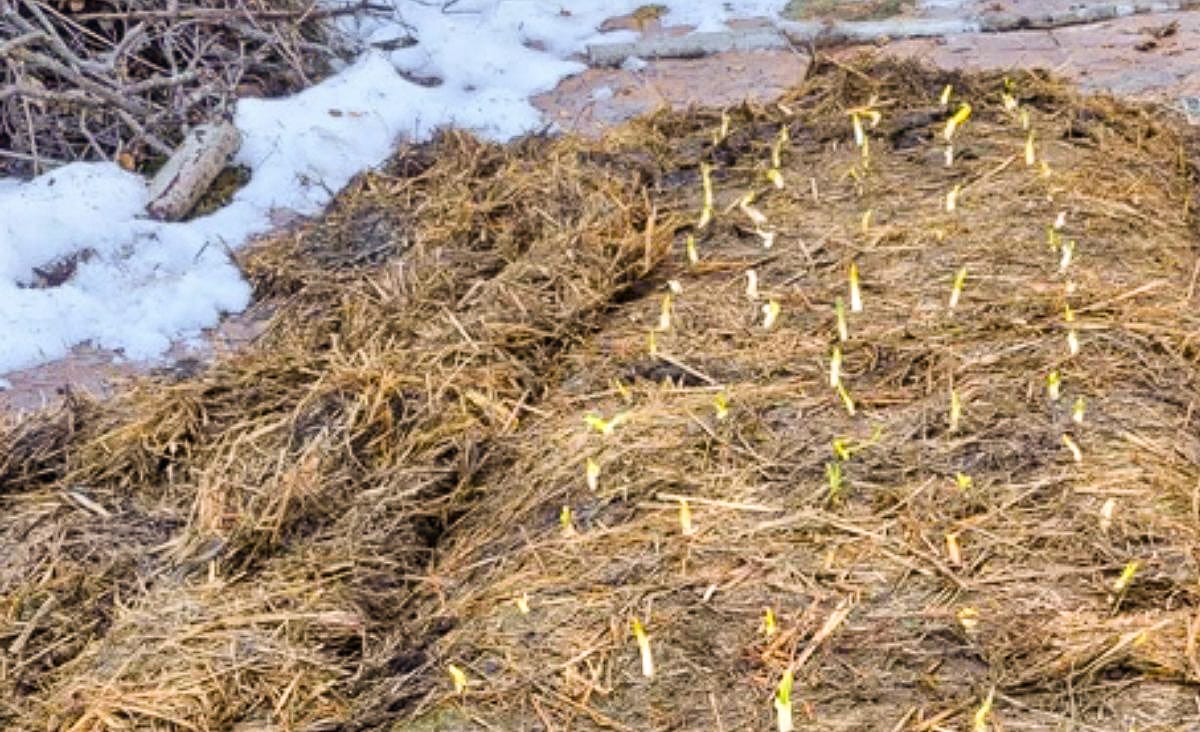
Garlic is a bulbous winter vegetable planted in fall for summer harvest, surviving -20°F (-29°C) with mulch. Plant cloves 2 inches deep, 6 inches apart. Scapes are bonus edibles. Allicin boosts immunity. Essential for flavoring.
17. Peas (Snow Peas)
Snow peas are leguminous winter vegetables hardy to 20°F (-7°C). Sow in fall with support. Space 2 inches. Pick pods young. Protein-rich and nitrogen-fixing. Stir-fry or snack raw. Cold enhances crispness.

18. Fava Beans
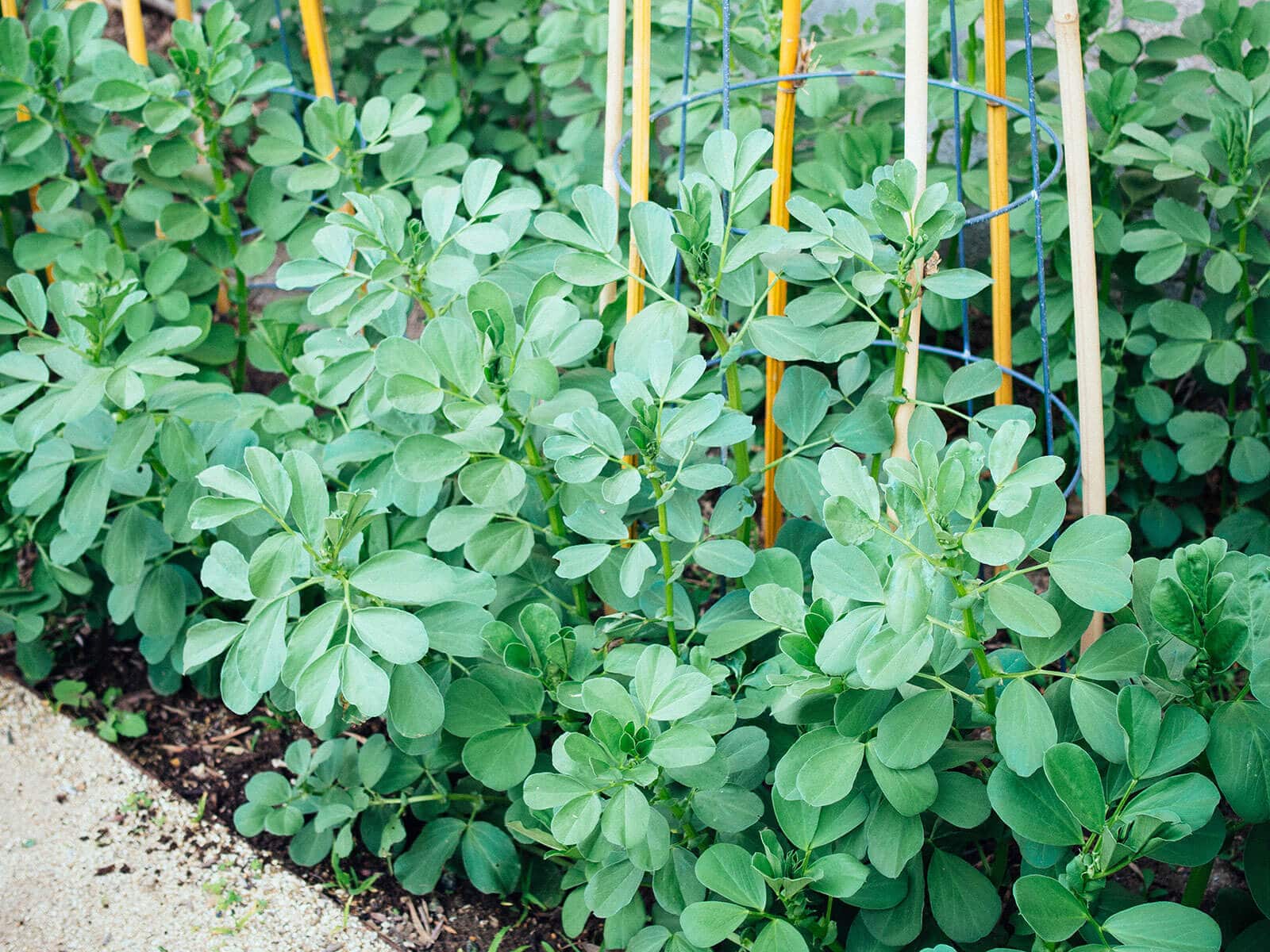
Fava beans fix nitrogen as winter vegetables, tolerating 10°F (-12°C). Plant in fall, staking tall varieties. Harvest pods green. High in L-dopa for mood support. Shell and cook. Great cover crop.
19. Arugula
Arugula adds peppery zest to winter vegetables, surviving 20°F (-7°C). Sow densely in fall. Harvest young. Antioxidants fight inflammation. Salad mixer or pesto base. Quick 30-day cycle.

20. Mustard Greens
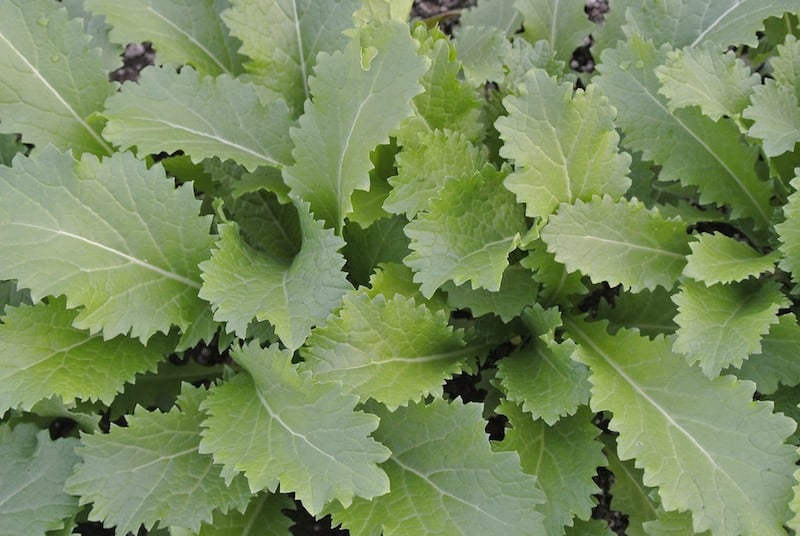
Mustard greens are spicy winter vegetables hardy to 15°F (-9°C). Plant in fall, spacing 6 inches. Harvest leaves progressively. Glucosinolates detoxify. Sauté or add to curries. Frost tempers heat.
General Tips for Growing Winter Vegetables
To succeed with winter vegetables, prepare soil with compost for nutrients. Use row covers or cold frames for protection against severe frost. Water sparingly as cold slows evaporation, but ensure drainage to prevent rot. Monitor for pests like slugs in damp conditions. Rotate crops to maintain soil health. In semantic SEO terms, focus on phrases like “overwintering vegetables” and “cold-tolerant plants” for better search visibility.
FAQs
What are the best winter vegetables for beginners?
Start with kale, spinach, and radishes—they’re forgiving and quick to harvest.
Do winter vegetables need full sun?
Most require 4-6 hours, but leafy greens like spinach tolerate partial shade.
How do I protect winter vegetables from frost?
Use mulch, cloches, or floating row covers to insulate.
Can I grow winter vegetables in containers?
Yes, choose deep pots for roots and move indoors during extreme cold.
When should I plant winter vegetables?
Late summer or early fall, depending on your zone, for overwintering.
Are winter vegetables more nutritious?
Often yes; frost concentrates sugars and nutrients.
What soil pH do most winter vegetables prefer?
Neutral to slightly acidic, around 6.0-7.0.
How often should I water winter vegetables?
Infrequently; check soil moisture to avoid overwatering.
Can winter vegetables survive snow?
Many can, especially with insulation like mulch or snow itself acting as a blanket.
What pests affect winter vegetables?
Slugs, aphids, and cabbage worms; use organic controls like neem oil.
Final Words
Embracing winter vegetables transforms your garden into a year-round bounty. From nutrient-dense kale to sweet parsnips, these 20 options prove that cold weather is no barrier to fresh produce. By following these tips, you’ll enjoy healthier meals, lower costs, and the joy of gardening through the seasons. Start small, experiment with varieties, and watch your winter plot flourish. Remember, sustainable practices like growing winter vegetables not only feed you but also enrich the earth for future harvests. Happy gardening!


