

16 Winter Salad Crops You Can Grow at Home
As the chill of winter settles in, many gardeners hang up their tools and dream of spring’s bounty. But what if you could keep harvesting fresh, vibrant greens right through the frost? Enter the world of winter salad crops—those resilient, cold-hardy varieties that thrive when most plants falter. Growing a winter salad at home isn’t just possible; it’s a game-changer for your table, offering nutrient-packed leaves that add crunch, color, and flavor to cozy meals. Whether you’re a balcony herb enthusiast or a backyard plot owner, these crops can turn your space into a year-round salad bar.
In this guide, we’ll explore 16 top winter salad crops you can grow at home. From classics like spinach and kale to exotic gems like tatsoi and sorrel, each one is selected for its ability to withstand freezing temperatures, often with minimal protection like row covers or cold frames. We’ll cover planting tips, care essentials, and harvest ideas to help you succeed. By the end, you’ll be equipped to build your own winter salad garden, saving money on store-bought greens and enjoying the satisfaction of homegrown freshness. Let’s dig in—your frosty harvest awaits!
Why Grow Winter Salad Crops at Home?
Before we dive into the list, let’s talk benefits. Winter salad greens are not only hardy but also sweeter in cold weather, thanks to natural sugars they produce to combat frost. They’re packed with vitamins A, C, and K, plus iron and folate—perfect for boosting immunity during flu season. Plus, home growing reduces your carbon footprint by minimizing imported produce transport. Start small with containers or succession sowing for continuous harvests. With the right setup, you can pick salad leaves for weeks, even months.

1. Spinach: The Cool-Weather Staple
Spinach is a cornerstone of any winter salad garden, thriving in temperatures as low as 20°F (-7°C). Its tender, arrow-shaped leaves offer a mild, earthy flavor that shines in salads, smoothies, or sautés. Rich in iron and antioxidants, it’s a nutritional powerhouse.
Growing Tips: Sow seeds directly in well-drained, fertile soil 6-8 weeks before your first frost, spacing them 2-4 inches apart. It prefers full sun to partial shade and consistent moisture—aim for 1 inch of water per week. Mulch heavily to insulate roots. Harvest outer leaves when they’re 3-6 inches long, allowing the plant to keep producing.
Harvest Time: Ready in 40-50 days; continuous picking through winter with protection.
Winter Salad Idea: Toss baby spinach with citrus and nuts for a refreshing contrast to hearty winter fare.
2. Kale: Tough and Nutrient-Dense
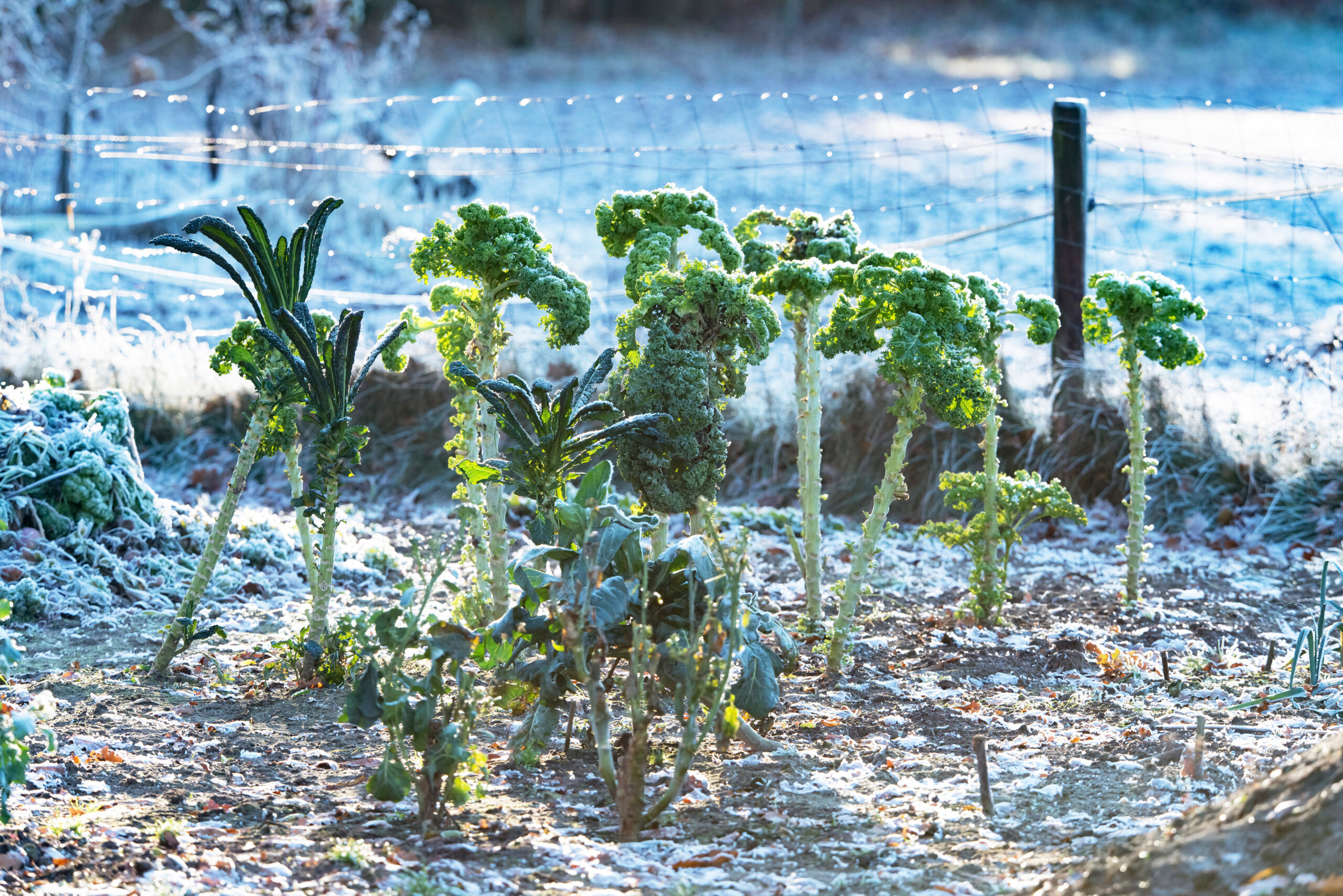
Kale’s curly or flat leaves stand up to frost like a champ, actually improving in taste after a light freeze. This brassica family member is loaded with vitamins and fiber, making it ideal for massaging into tender winter salads.
Growing Tips: Plant transplants or seeds in early fall in loamy soil with a pH of 6.0-7.5. Space 12-18 inches apart in full sun. It’s drought-tolerant once established but loves compost-rich beds. Use row covers for extra hardiness.
Harvest Time: 50-65 days to maturity; pick from the bottom up for ongoing yields.
Winter Salad Idea: Shred kale with apples, cranberries, and a tangy vinaigrette—its robustness holds up beautifully.
 3. Swiss Chard: Colorful and Versatile
Swiss chard’s rainbow stems and glossy leaves add visual pop to your winter salad bowl. It’s a beet relative that’s frost-resistant down to 25°F (-4°C) and packed with betalains for detox support.
Growing Tips: Direct sow in partial shade to full sun, 4-6 inches apart, in moderately rich soil. Water evenly to prevent bolting. It’s a cut-and-come-again crop—snip outer leaves regularly.
Harvest Time: 50-60 days; productive all winter.
Winter Salad Idea: Mix chard with roasted beets and goat cheese for an earthy, vibrant dish.
4. Arugula: Peppery Bite for Zest
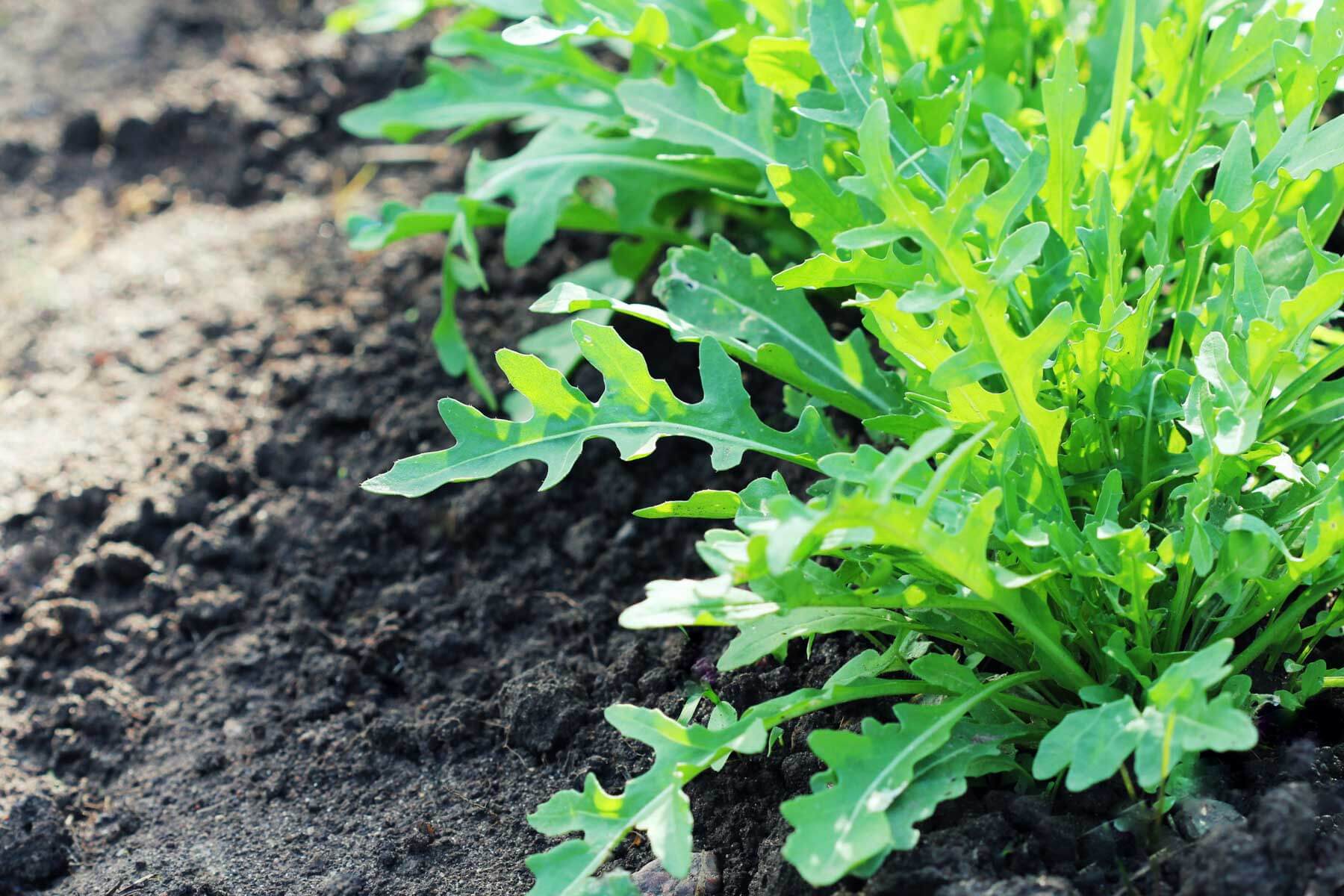
Arugula’s lobed leaves deliver a spicy kick that mellows in cold weather, perfect for jazzing up bland winter meals. High in glucosinolates, it supports heart health.
Growing Tips: Sow densely in cool, moist soil under light shade cloth to prevent legginess. Thin to 4 inches apart. It self-sows readily, so succession plant every two weeks.
Harvest Time: 40 days; quick regrowth.
Winter Salad Idea: Blend with pears and blue cheese for a bold, balanced flavor profile.
5. Mache (Corn Salad): Delicate and Sweet
Also known as lamb’s lettuce, mache forms rosettes of spoon-shaped leaves that are incredibly cold-hardy, surviving under snow. Its nutty sweetness makes it a winter salad favorite.
Growing Tips: Broadcast seeds in partial shade on poor soil—it’s low-maintenance. Keep moist but not waterlogged. No thinning needed; harvest whole plants.
Harvest Time: 30-50 days; ideal for early winter picks.
Winter Salad Idea: Pair with walnuts and honey for a simple, elegant side.
6. Winter Lettuce Varieties: Crisp and Reliable
Opt for hardy types like ‘Winter Density’ or ‘Merveille des Quatre Saisons’—loose-leaf lettuces that bolt less in cold. They’re the backbone of fresh winter salads.
Growing Tips: Sow in trays indoors, then transplant to beds with row covers. Full sun, rich soil, and steady watering are key. Space 6-8 inches.
Harvest Time: 45-60 days.
Winter Salad Idea: Layer with root veggies for a crunchy base.

7. Mizuna: Feathery Asian Green
Mizuna’s serrated, fern-like leaves offer a mild mustard tang, thriving in cool temps. It’s quick-growing and adds texture to mixed winter salads.
Growing Tips: Direct sow in full sun to part shade, 4 inches apart, in fertile soil. Harvest young for tenderness.
Harvest Time: 40 days.
Winter Salad Idea: Stir-fry lightly or toss raw with sesame dressing.
8. Mustard Greens: Spicy and Bold
These puckered leaves bring heat to your winter salad, but blanching tames the spice. Loaded with vitamins, they’re a brassica powerhouse.
Growing Tips: Sow in successive rows in sunny spots with well-drained soil. Mulch for warmth; space 6 inches.
Harvest Time: 30-40 days.
Winter Salad Idea: Combine with sweet potatoes for balance.

9. Tatsoi: Spoon-Shaped Spoonwort
Tatsoi’s dark green, spoon-like leaves form rosettes that hug the ground, protecting them from frost. Mildly mustardy, it’s great for baby greens in winter salads.
Growing Tips: Sow in cool soil, 4-6 inches apart, in partial sun. It’s bolt-resistant and low-water once established.
Harvest Time: 45 days.
Winter Salad Idea: Use in Asian-inspired slaws with ginger.
10. Pak Choi (Bok Choy): Crisp Stems and Leaves
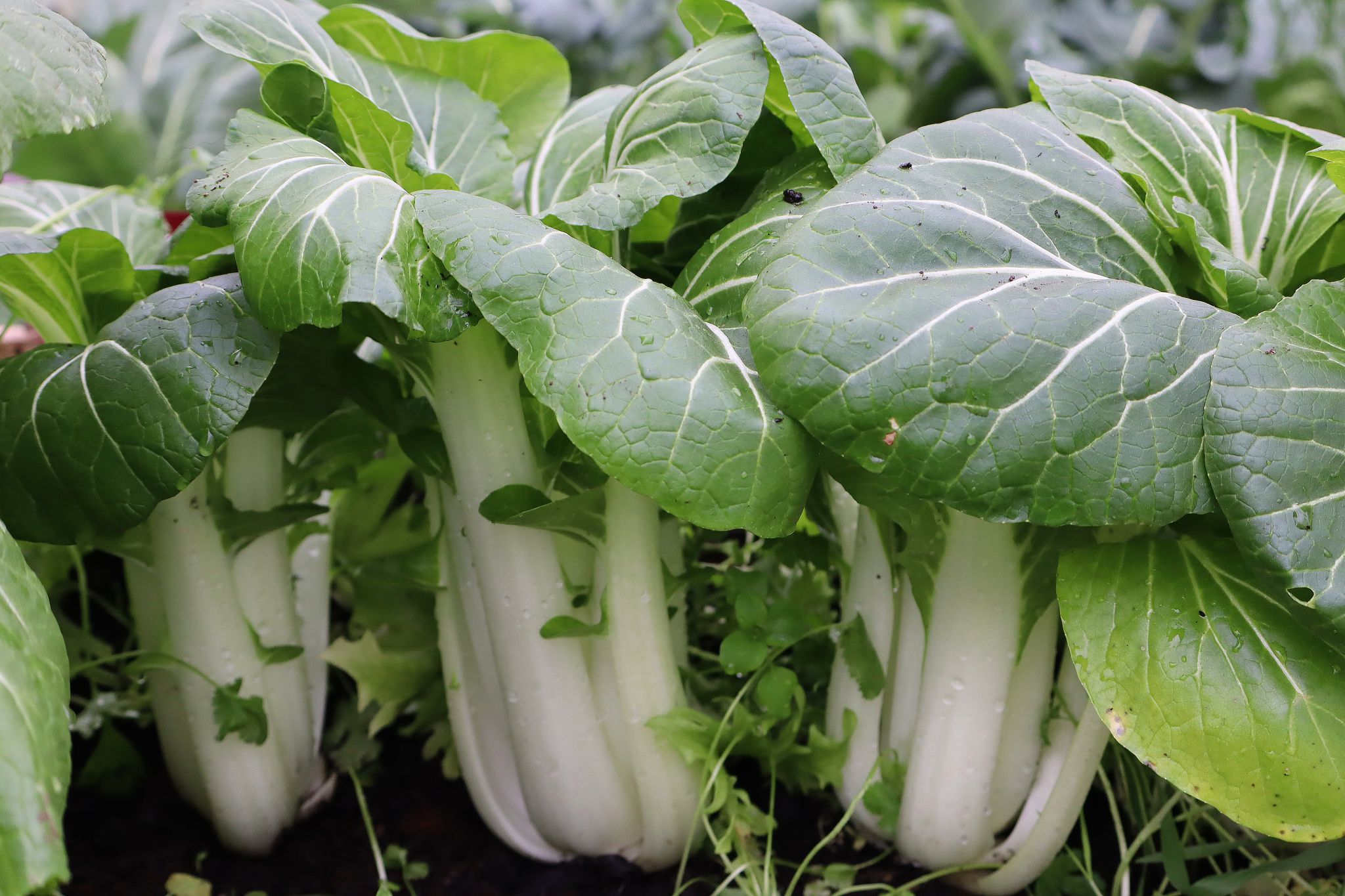
This Asian green’s white stems and dark leaves stay tender in cold, adding crunch to winter salads. High in calcium.
Growing Tips: Plant in rich, moist soil with afternoon shade. Space 6-12 inches; harvest whole or partial.
Harvest Time: 45-60 days.
Winter Salad Idea: Shred with carrots and rice vinegar.
11. Radicchio: Bitter Chicory Beauty
Radicchio’s red, bitter leaves sweeten after frost, making it a stunning addition to winter salads. It’s a chicory variety with detox benefits.
Growing Tips: Sow in full sun, well-drained soil; blanch heads for milder flavor. Space 8-12 inches.
Harvest Time: 60-80 days.
Winter Salad Idea: Grill lightly and pair with balsamic.
12. Endive: Curly and Chic
Endive’s frilly leaves offer a subtle bitterness, perfect for elegant winter salads. Cold-hardy to 20°F.
Growing Tips: Grow from seeds in loose soil, partial shade. Harvest outer leaves.
Harvest Time: 50 days.
Winter Salad Idea: Mix with citrus for brightness.
 13. Escarole: Broad-Leafed Mildness
Escarole’s broad, pale leaves are less bitter than other chicories, ideal for hearty winter salads.
Growing Tips: Sow in fertile soil, full sun to part shade. Water consistently; space 8 inches.
Harvest Time: 50-60 days.
Winter Salad Idea: Wilt slightly with beans and herbs.
14. Claytonia (Miner’s Lettuce): Succulent Wild Green
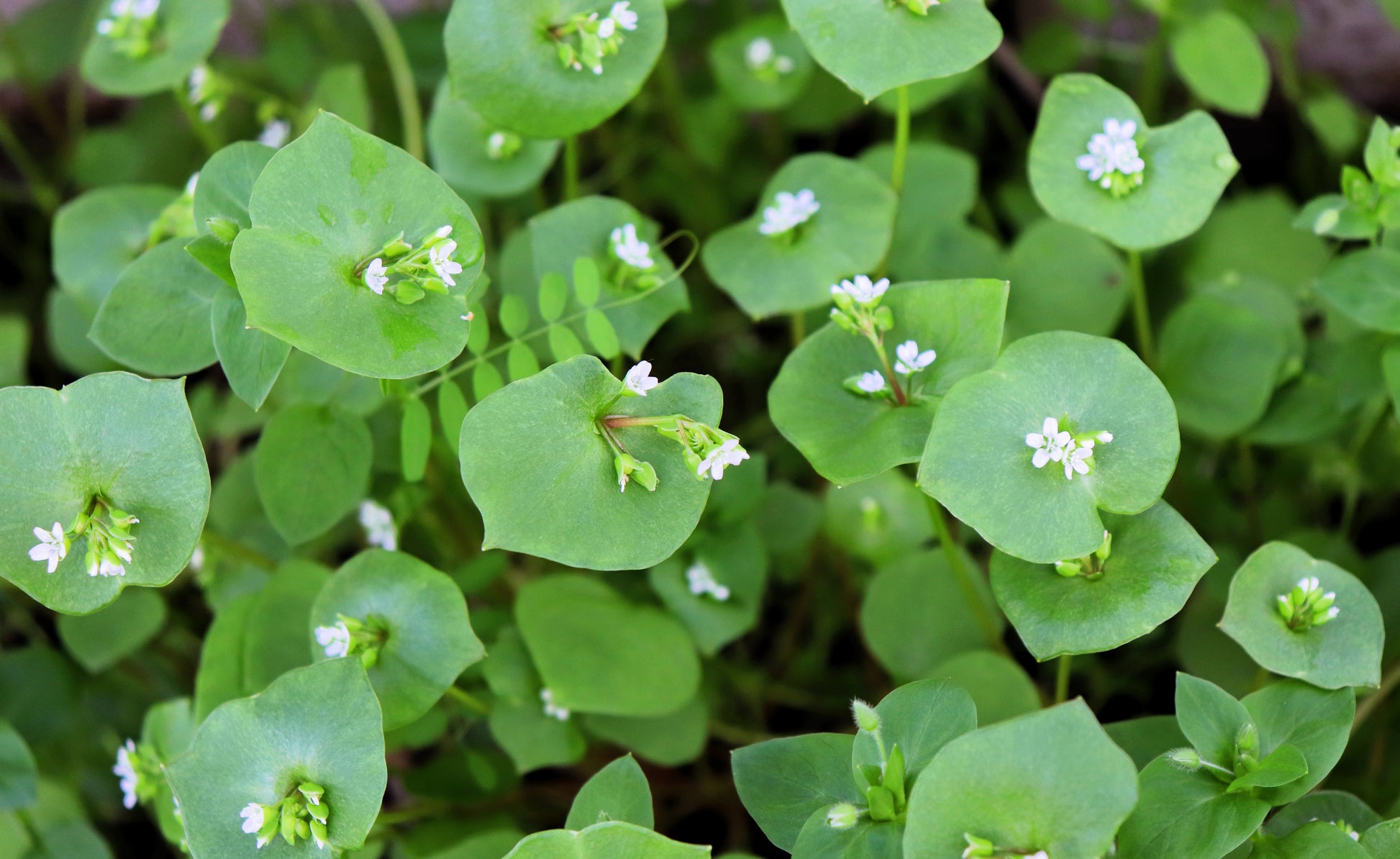
Claytonia’s round, succulent leaves with white flowers are ultra-hardy, self-seeding in cold.
Growing Tips: Sow in shady, moist spots; no fertilizer needed. Harvest young.
Harvest Time: 30-40 days.
Winter Salad Idea: Add to foraged mixes for juiciness.
15. Sorrel: Lemon-Tangy Perennial
Sorrel’s arrow-shaped leaves provide a citrusy zing, returning year after year in mild winters.
Growing Tips: Plant in partial shade, acidic soil. Divide clumps annually; harvest sparingly to avoid bolting.
Harvest Time: Year-round perennial.
Winter Salad Idea: Balance with creamy dressings.
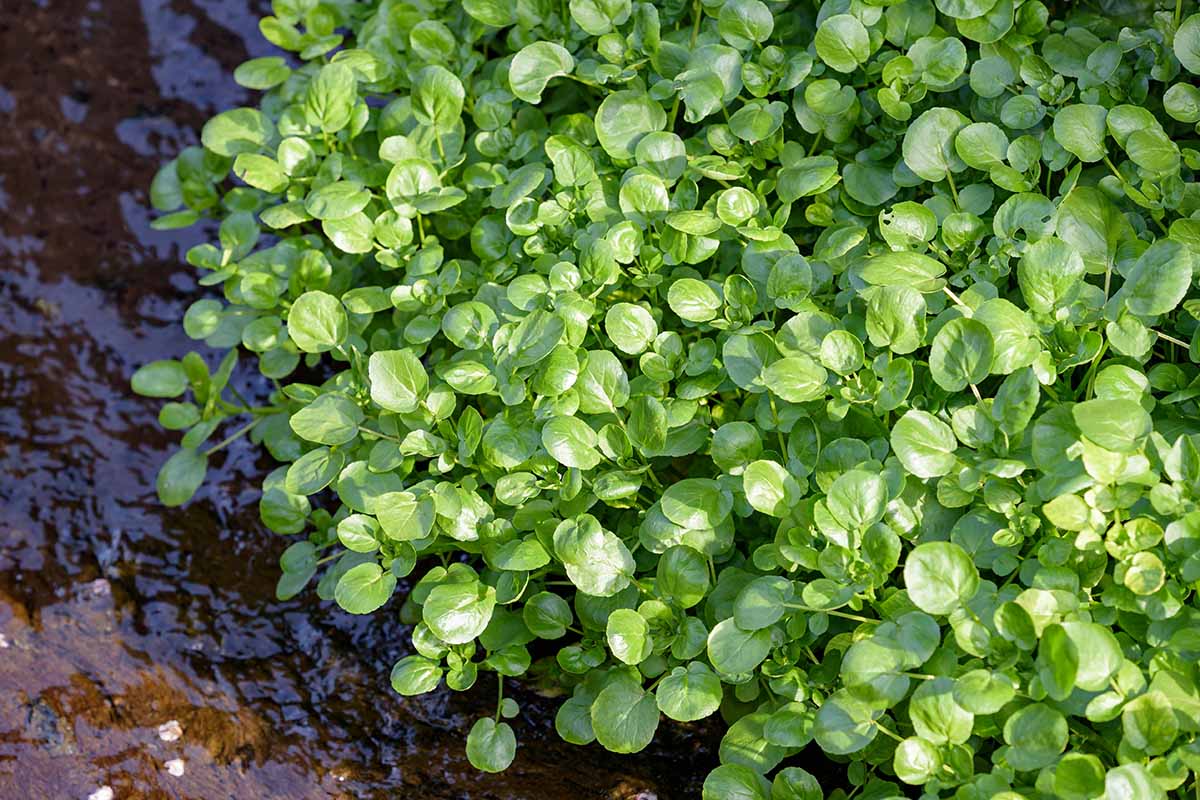
16. Watercress: Peppery Aquatic Gem
Watercress loves cool, running water but adapts to pots. Its round leaves pack vitamin C punch.
Growing Tips: Grow in shallow trays of water or damp soil, full sun. Change water weekly.
Harvest Time: 40 days.
Winter Salad Idea: Float in soups or toss raw.
General Tips for Success with Winter Salad Crops
To maximize your harvest, use hoop houses or cloches for protection. Amend soil with compost for nutrients, and rotate crops to prevent disease. Monitor for pests like aphids with neem oil. Succession sowing ensures steady supply—plant every 2-3 weeks.
FAQs
What is the easiest winter salad crop for beginners?
Spinach tops the list—it’s forgiving, fast-growing, and tolerates a range of conditions. Start with bolt-resistant varieties like ‘Bloomsdale Long Standing’.
Can I grow winter salad crops in containers?
Absolutely! Use pots at least 6 inches deep with good drainage. Place in a sunny window or under grow lights for indoor success.
How do I protect winter salad crops from heavy frost?
Row covers, cold frames, or mulch with straw insulate roots. For extreme cold, harvest preemptively or bring pots inside.
Are winter salad greens nutritious?
Yes! They’re richer in antioxidants than summer varieties, thanks to cold stress. Expect boosts in vitamins and minerals.
When should I start seeds for winter salad crops?
Sow 8-10 weeks before your last frost in late summer/early fall. Indoor starts give a head start.
Can I mix different winter salad crops in one bed?
Definitely—companion planting like kale with arugula deters pests and maximizes space.
Final Words
Embracing winter salad crops transforms the dormant season into one of abundance and flavor. From the peppery punch of arugula to the tangy twist of sorrel, these 16 hardy heroes prove that fresh greens know no season. Start small, experiment with mixes, and soon you’ll be crafting nutrient-rich winter salads that warm the soul. Your home garden awaits—grab those seeds and let the cold become your ally. Happy harvesting!


