

18 Winter Food Crops to Grow in Your Backyard
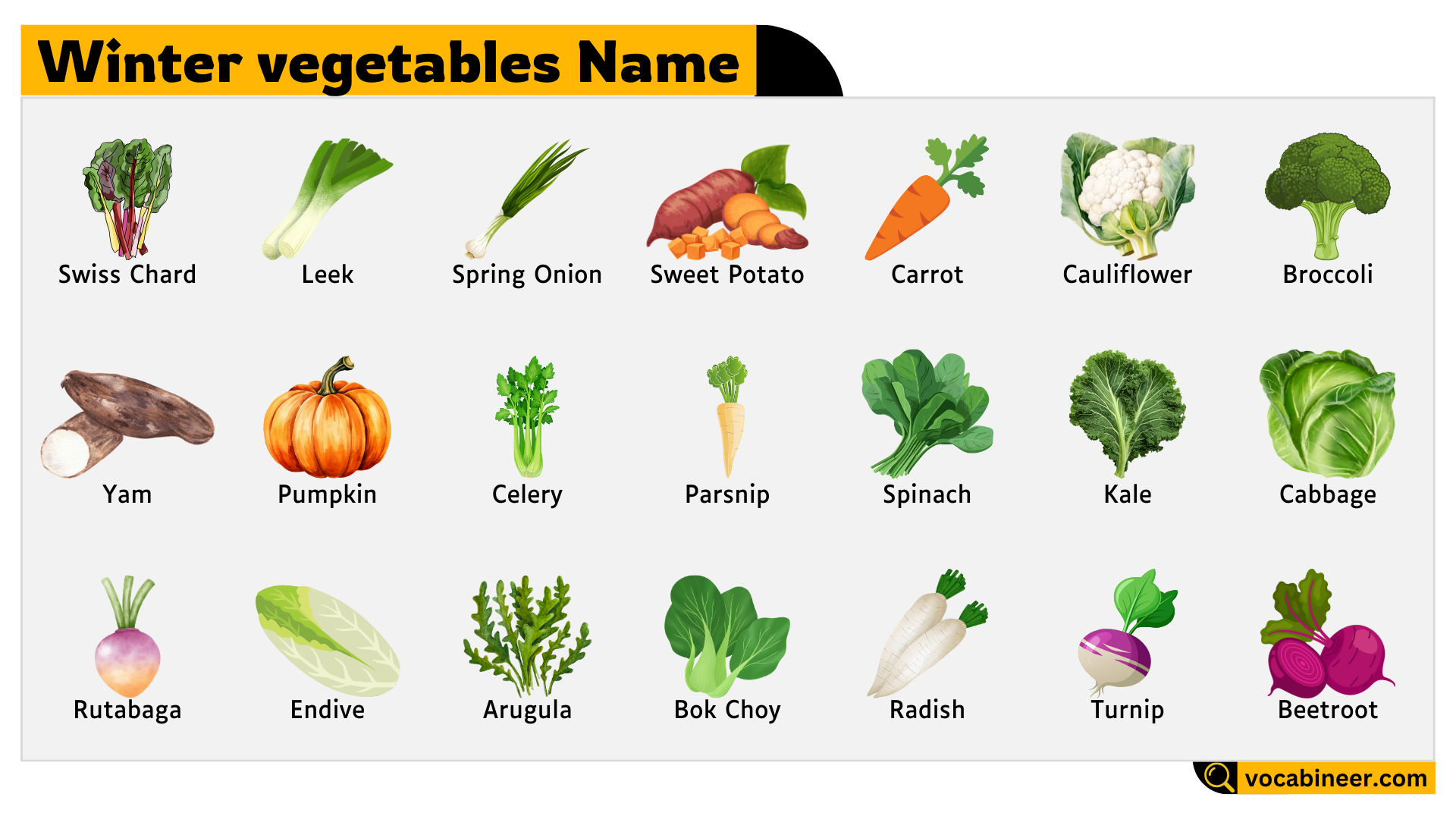
As the chill of winter sets in, many gardeners assume it’s time to pack away their tools and wait for spring. But winter food crops offer a fantastic opportunity to keep your backyard productive year-round. These hardy plants thrive in cooler temperatures, providing fresh, nutrient-packed produce when most gardens are dormant. Growing winter food in your own space not only saves money but also ensures you have access to organic, homegrown vegetables during the colder months. In this guide, we’ll explore 18 winter food crops that are perfect for backyard cultivation, complete with planting tips, care instructions, and health benefits to help you maximize your harvest.
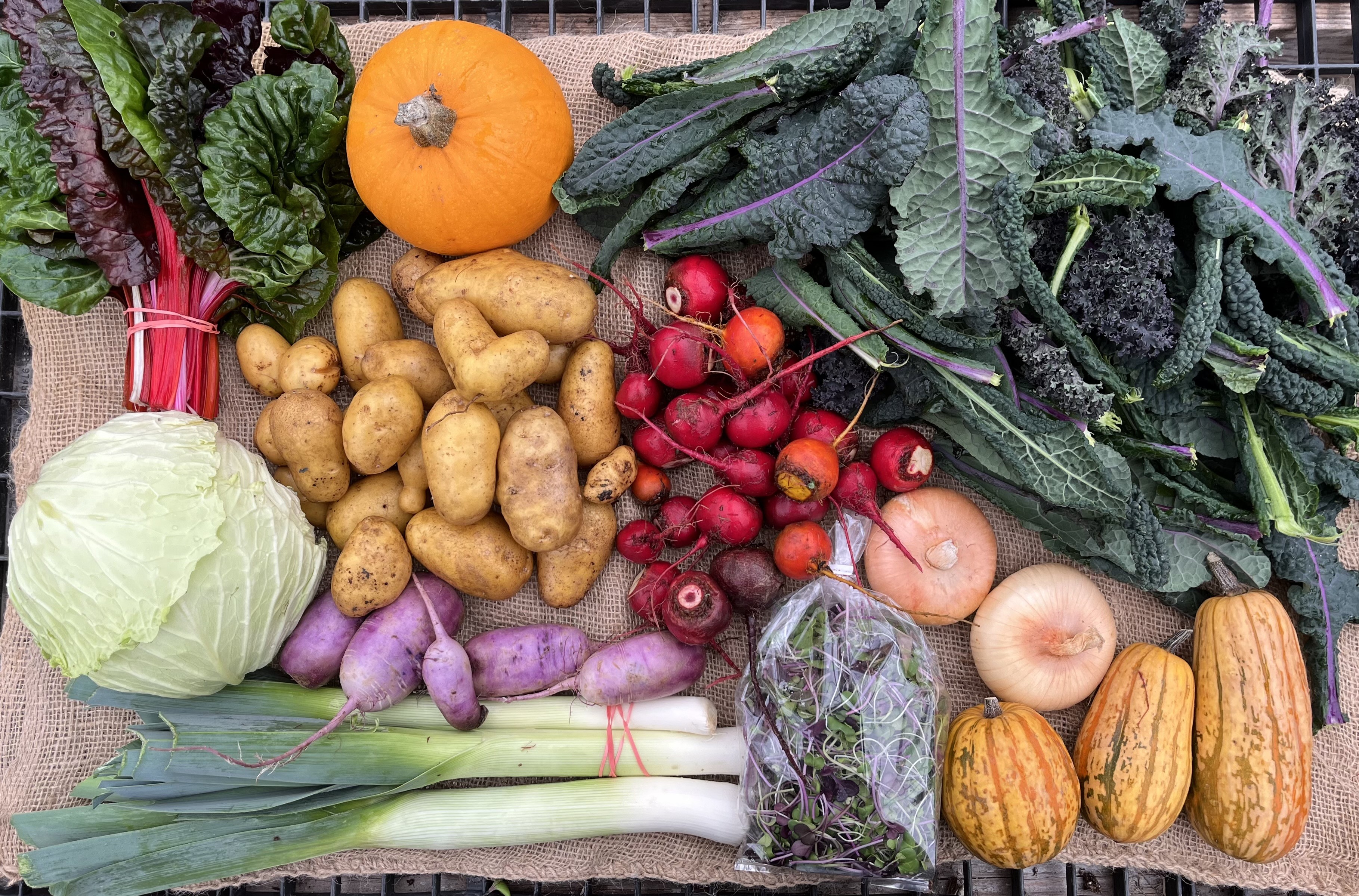
Why Grow Winter Food Crops?
Winter food crops are resilient varieties that can withstand frost, snow, and low light conditions. They often taste better after a frost, as cold weather concentrates their sugars. According to gardening experts, incorporating these crops into your backyard can extend your growing season and improve soil health through natural mulching and rotation. Plus, they’re low-maintenance, requiring less watering and pest control than summer plants. Whether you’re in a mild climate like California or a colder zone, with proper protection like row covers or cold frames, you can enjoy fresh winter food straight from your garden.
1. Kale
Kale is a superstar among winter food crops, known for its frost tolerance down to -15°F. This leafy green becomes sweeter after cold exposure, making it ideal for salads, smoothies, or chips.
Planting and Care: Sow seeds in late summer for a winter harvest, spacing plants 12-18 inches apart in well-drained soil with full sun. Mulch heavily to retain moisture and protect roots. Water moderately, as kale prefers cooler, moist conditions.
Harvest: Pick outer leaves as needed from fall through winter; the plant will continue producing.
Benefits: Packed with vitamins A, C, and K, kale supports immune health during winter.
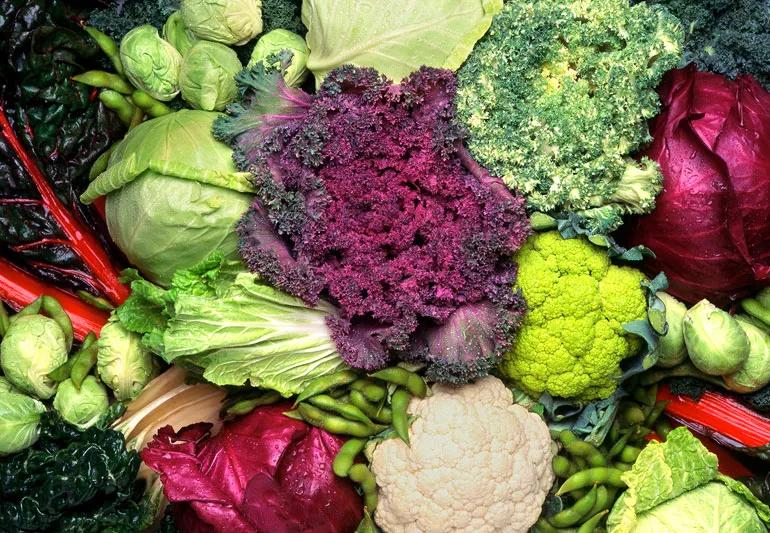
2. Spinach
Spinach is a fast-growing winter food option that thrives in cool weather, often ready to harvest in just 30-40 days.
Planting and Care: Direct sow in early fall, 4-6 inches apart, in fertile, loamy soil. It tolerates partial shade and needs consistent moisture to prevent bolting.
Harvest: Cut leaves when they’re 3-4 inches long; successive plantings ensure a continuous supply.
Benefits: Rich in iron and folate, spinach aids in energy production and is a great addition to winter soups.
3. Brussels Sprouts
These mini cabbages on a stalk are quintessential winter food, improving in flavor after frost.
Planting and Care: Start indoors in summer and transplant outdoors, spacing 24 inches apart. Stake tall plants and protect from wind.
Harvest: Pick sprouts from the bottom up when they’re firm, typically in late fall to winter.
Benefits: High in fiber and antioxidants, they promote digestive health.

4. Broccoli
Broccoli is a reliable winter food crop that produces side shoots after the main head is harvested, extending your yield.
Planting and Care: Plant in rich soil with pH 6.0-7.0, 18 inches apart. Use row covers to shield from pests and frost.
Harvest: Cut the central head when buds are tight, then harvest side shoots.
Benefits: Loaded with sulforaphane, it supports detoxification and cancer prevention.
5. Cauliflower
This versatile winter food crop requires patience but rewards with dense, nutritious heads.
Planting and Care: Sow in late summer, spacing 18-24 inches. Blanch heads by tying leaves over them to keep them white.
Harvest: When heads are 6-8 inches across and compact.
Benefits: Low-calorie and high in vitamin C, it’s excellent for immune support.
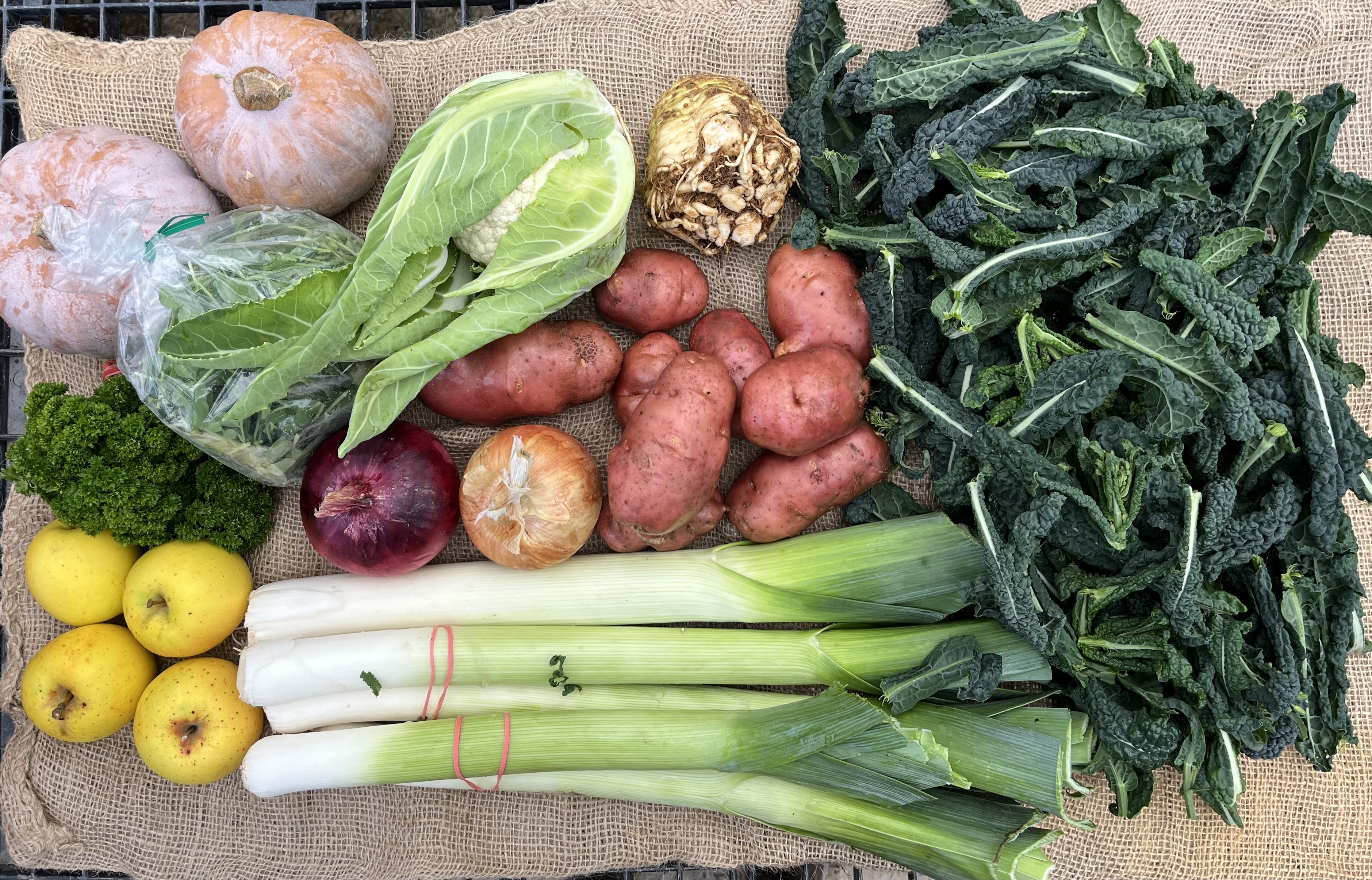
6. Cabbage
Cabbage is a hardy winter food staple, perfect for slaws, sauerkraut, or stir-fries.
Planting and Care: Transplant seedlings in fall, 12-24 inches apart in moist soil. Protect from cabbage worms with organic sprays.
Harvest: When heads are firm and solid.
Benefits: Fermentable for gut health, it’s rich in vitamins and minerals.
7. Carrots
Sweet and crunchy, carrots are classic winter food crops that store well in the ground.
Planting and Care: Sow directly in loose soil, thinning to 2-3 inches apart. Mulch to prevent freezing.
Harvest: Pull as needed; frost enhances sweetness.
Benefits: Beta-carotene boosts vision and skin health.
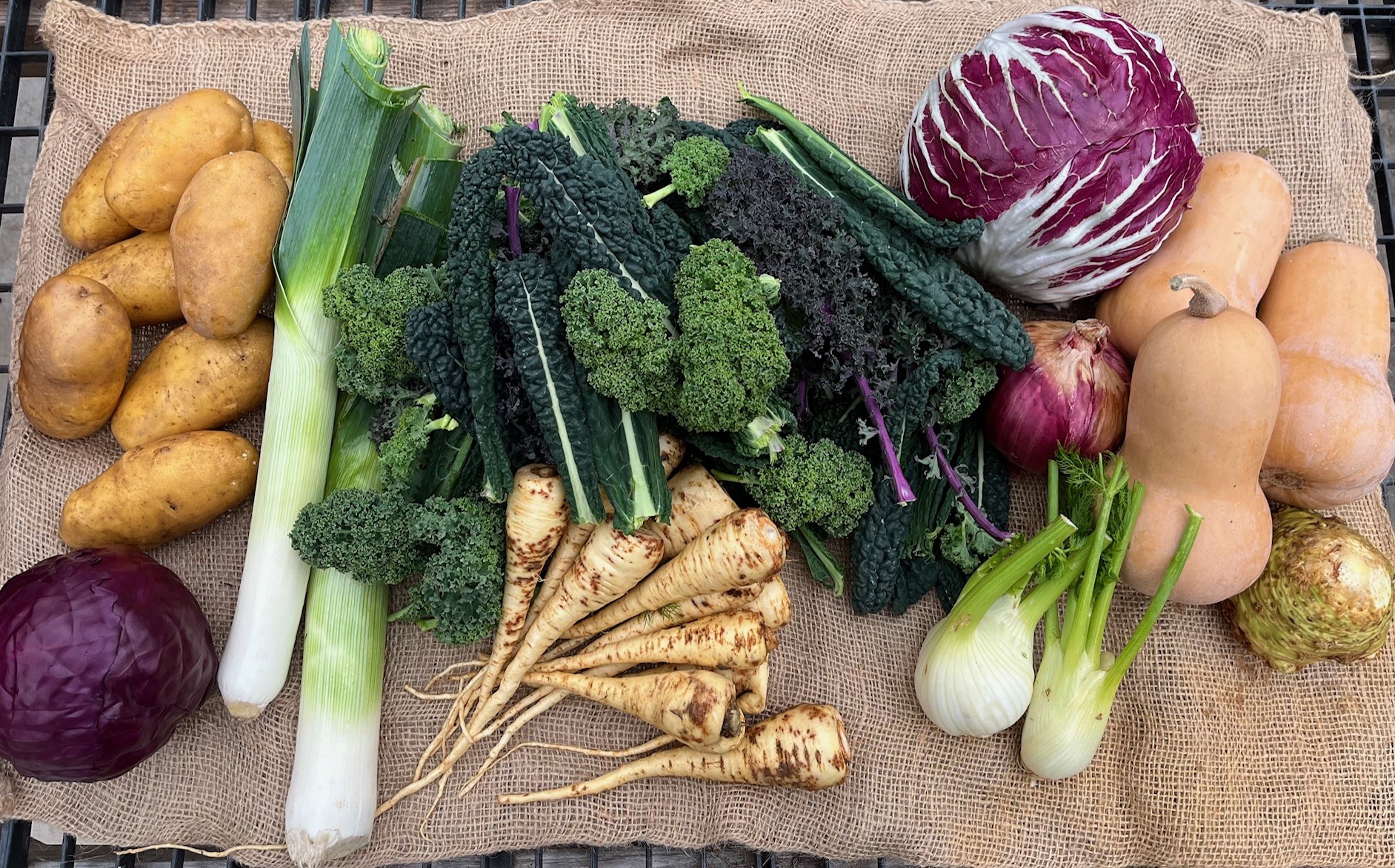
8. Beets
Beets offer dual-purpose winter food: roots for roasting and greens for salads.
Planting and Care: Sow in fall, 4 inches apart. They prefer sandy soil and moderate water.
Harvest: Roots when 1-3 inches in diameter; greens anytime.
Benefits: Nitrates improve blood flow and lower blood pressure.
9. Radishes
Quick-maturing radishes are ideal for beginner winter food gardeners, ready in 20-30 days.
Planting and Care: Direct sow in shallow rows, thinning to 2 inches. Keep soil evenly moist.
Harvest: When roots are plump but not woody.
Benefits: Detoxifying and low-calorie, they add peppery flavor to dishes.
10. Turnips
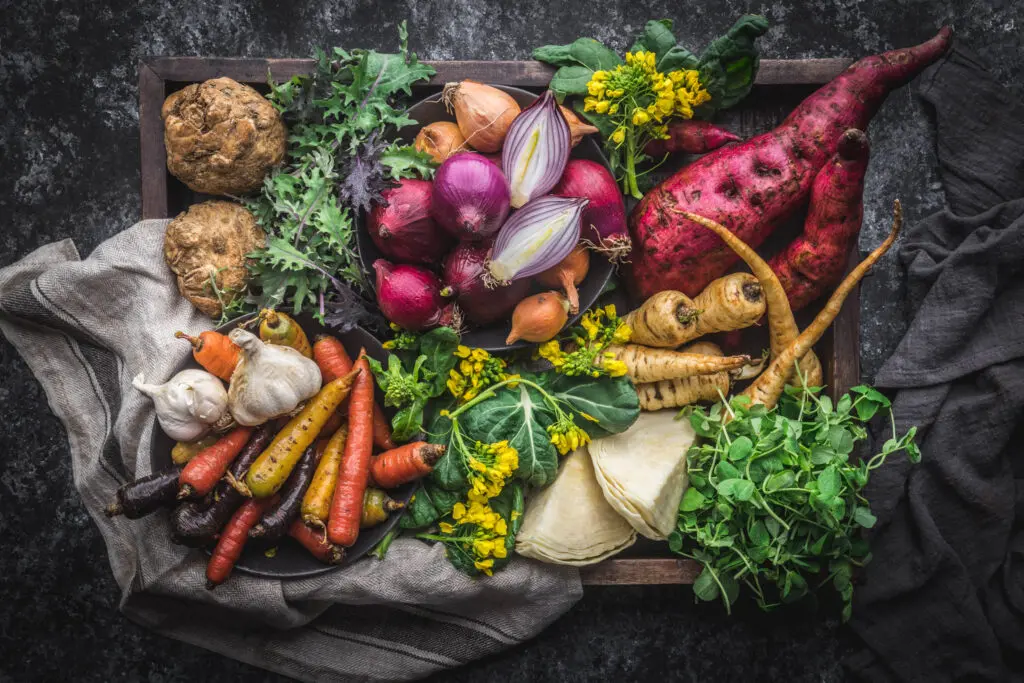
Turnips are underrated winter food crops, with edible roots and greens.
Planting and Care: Plant in fertile soil, spacing 4-6 inches. Harvest young for tenderness.
Harvest: Roots at 2-3 inches; greens throughout.
Benefits: High in fiber, aiding digestion.
11. Parsnips
These sweet roots are must-grow winter food, tasting best after frost.
Planting and Care: Sow early fall in deep, stone-free soil. Patience is key—they take 100+ days.
Harvest: After first frost for optimal flavor.
Benefits: Provide folate and potassium for heart health.
12. Leeks
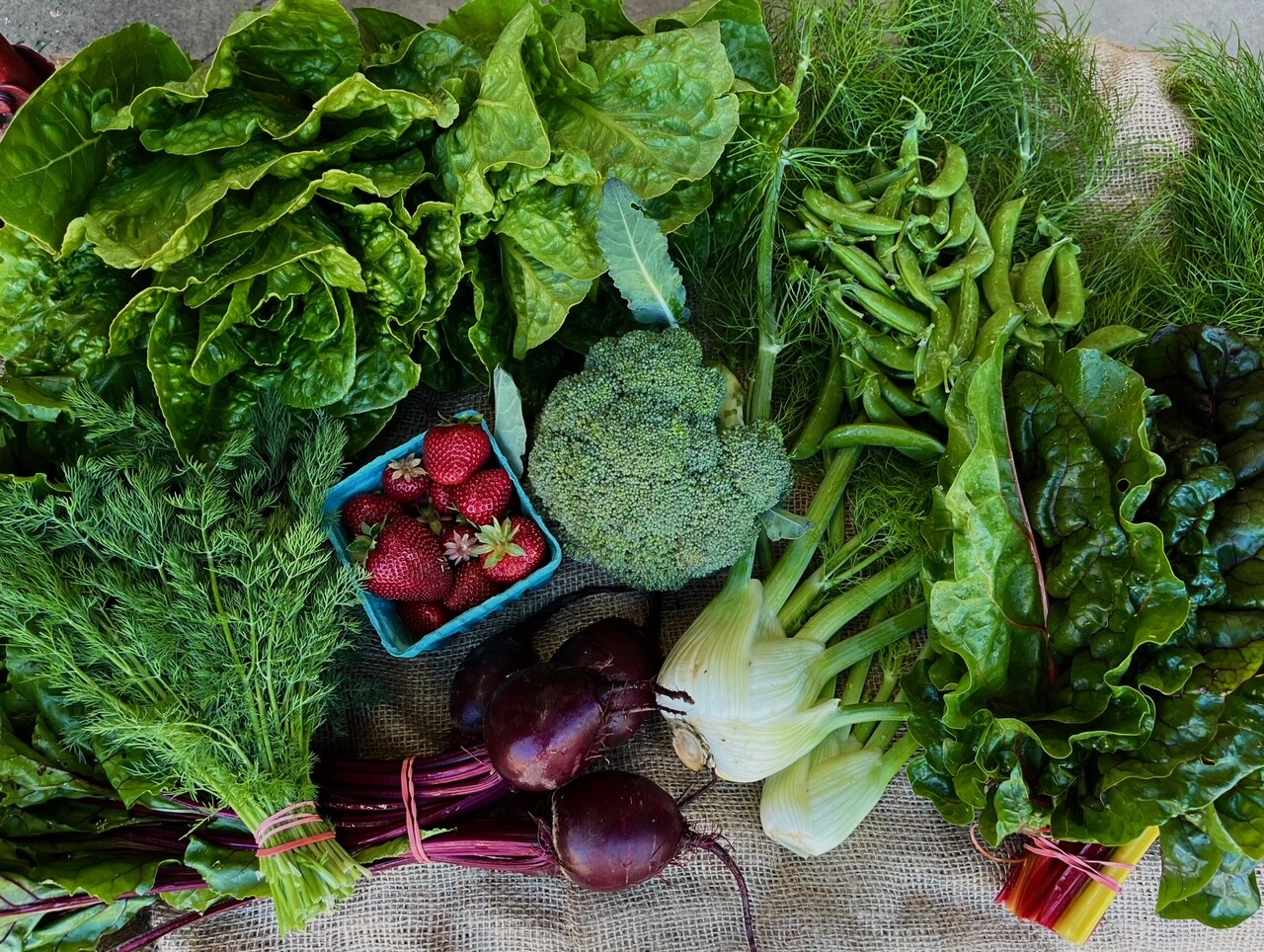
Leeks add mild onion flavor to winter food dishes and are frost-hardy.
Planting and Care: Trench plant for longer whites, spacing 6 inches. Hill soil as they grow.
Harvest: When 1 inch thick.
Benefits: Prebiotic fibers support gut microbiome.
13. Onions
Overwintering onions are essential for winter food storage.
Planting and Care: Plant sets in fall for spring harvest. Well-drained soil is crucial.
Harvest: When tops yellow.
Benefits: Antioxidants reduce inflammation.
14. Garlic
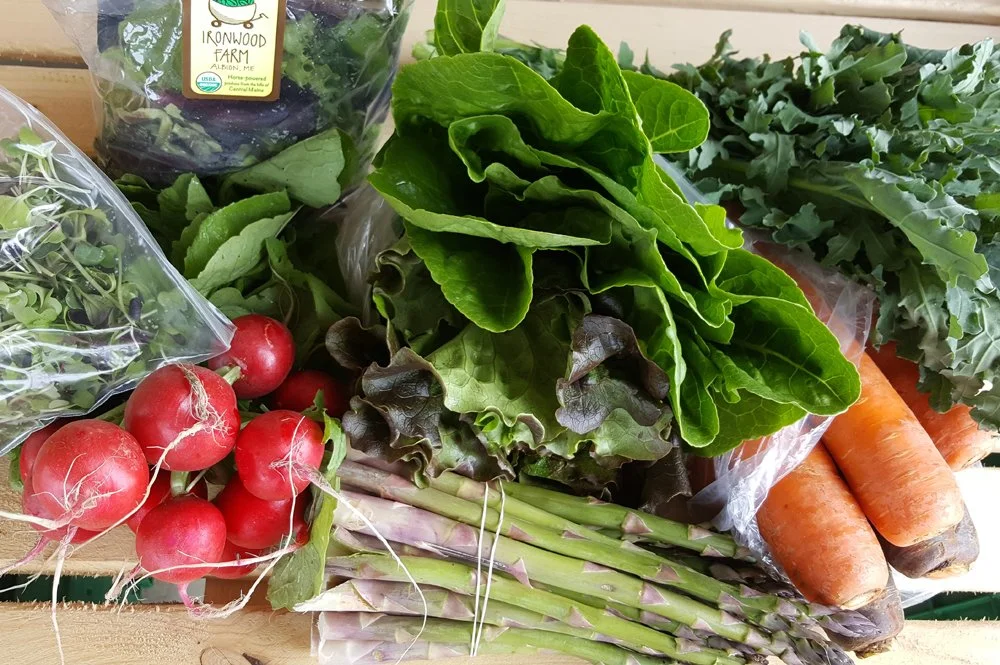
Garlic is a set-it-and-forget-it winter food crop, planted in fall.
Planting and Care: Plant cloves 4 inches apart, pointy end up. Mulch for winter protection.
Harvest: Summer, after leaves brown.
Benefits: Allicin boosts immunity.
15. Swiss Chard
Colorful Swiss chard is a vibrant winter food green that regrows after cutting.
Planting and Care: Sow in fall, 12 inches apart. Tolerates light frost.
Harvest: Outer leaves continuously.
Benefits: Vitamins A and C for eye and skin health.

16. Collard Greens
Tough and nutritious, collards are southern favorites for winter food.
Planting and Care: Space 18 inches in rich soil. Frost improves taste.
Harvest: Pick leaves as needed.
Benefits: Calcium for bone health.
17. Mustard Greens
Spicy mustard greens add zest to winter food meals.
Planting and Care: Sow densely, thin as you harvest. Quick grower.
Harvest: Young leaves for mild flavor.
Benefits: Glucosinolates for cancer prevention.
18. Arugula
Peppery arugula is a speedy winter food green, ready in 20 days.
Planting and Care: Broadcast seeds in cool soil, partial shade.
Harvest: Cut-and-come-again method.
Benefits: Nitrates enhance athletic performance.
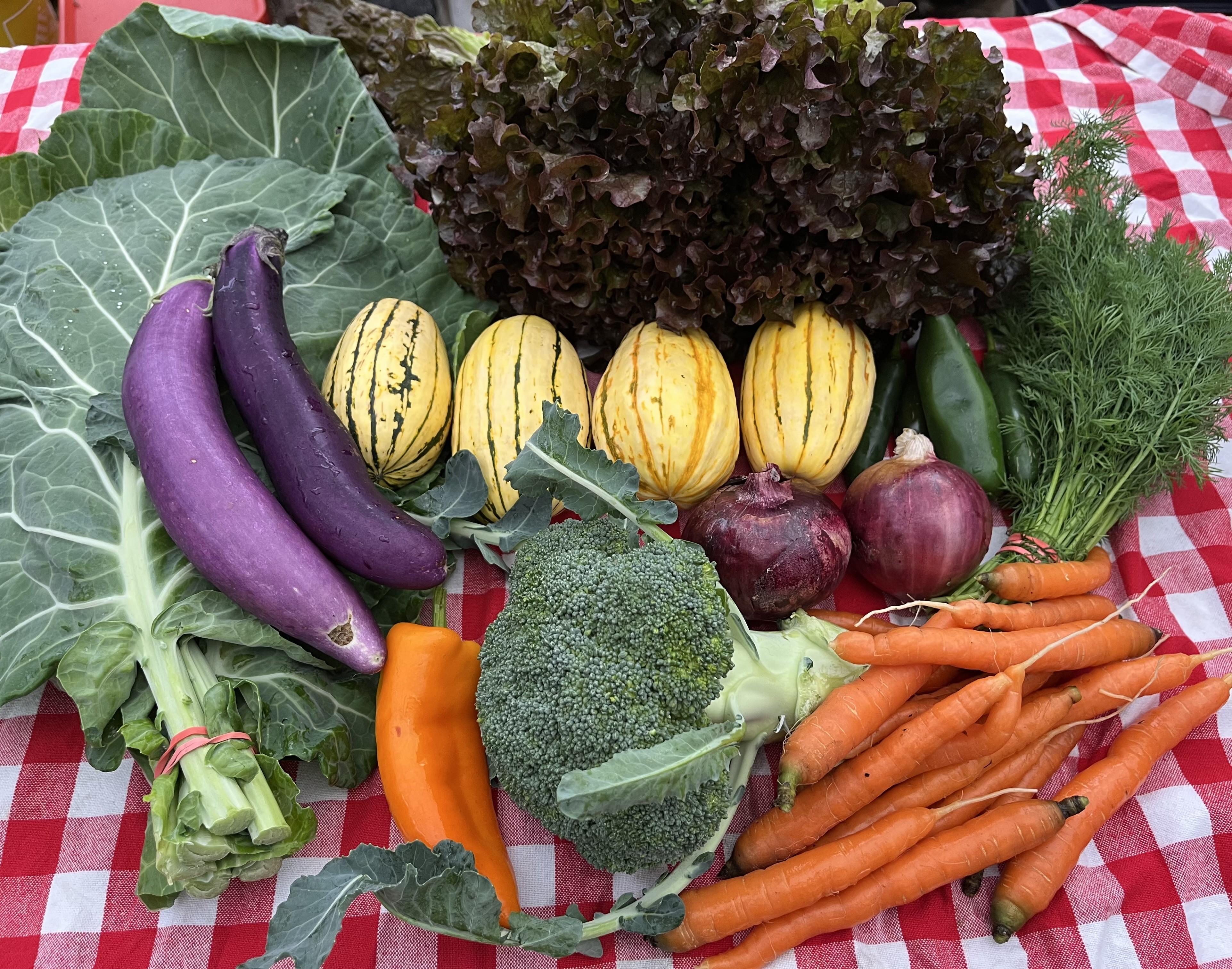
Comparison of Winter Food Crops
For a quick overview, here’s a table comparing key aspects:
| Crop | Frost Tolerance | Days to Harvest | Space Needed | Key Nutrient |
|---|---|---|---|---|
| Kale | High (-15°F) | 50-70 | 12-18 in | Vitamin K |
| Spinach | Medium | 30-40 | 4-6 in | Iron |
| Brussels Sprouts | High | 90-100 | 24 in | Fiber |
| Broccoli | High | 60-80 | 18 in | Sulforaphane |
| Cauliflower | Medium | 70-90 | 18-24 in | Vitamin C |
| Cabbage | High | 60-90 | 12-24 in | Probiotics |
| Carrots | High | 60-80 | 2-3 in | Beta-carotene |
| Beets | Medium | 50-60 | 4 in | Nitrates |
| Radishes | Medium | 20-30 | 2 in | Detoxifiers |
| Turnips | High | 40-60 | 4-6 in | Fiber |
| Parsnips | High | 100+ | 4 in | Folate |
| Leeks | High | 120+ | 6 in | Prebiotics |
| Onions | Medium | 100+ | 4 in | Antioxidants |
| Garlic | High | 200+ | 4 in | Allicin |
| Swiss Chard | Medium | 50-60 | 12 in | Vitamin A |
| Collard Greens | High | 60-80 | 18 in | Calcium |
| Mustard Greens | Medium | 30-40 | Dense | Glucosinolates |
| Arugula | Medium | 20-40 | Dense | Nitrates |
This table highlights how these winter food crops vary, helping you choose based on your space and needs.
FAQs
What is the best time to plant winter food crops?
Most should be planted in late summer or early fall to establish roots before frost. In milder climates, you can plant through winter.
Do I need special equipment for growing winter food?
Basic tools like row covers, mulch, and cold frames help protect against extreme cold, but many crops survive with minimal intervention.
Can winter food crops grow in containers?
Yes, smaller ones like spinach, radishes, and arugula thrive in pots on a balcony or patio.
How do I protect winter food from pests?
Use organic barriers and companion planting; pests are less active in cold weather.
Are winter food crops suitable for beginners?
Absolutely—start with easy ones like radishes or spinach for quick success.
Final Words
Embracing winter food crops in your backyard transforms the off-season into a productive paradise. Not only do these 18 varieties provide fresh, healthy produce, but they also enrich your soil and boost your gardening skills. Start small, experiment with a few, and soon you’ll enjoy the satisfaction of harvesting your own winter food. For more tips, check local extension services or online forums. Happy gardening—your winter table awaits!


