

18 Root Vegetables You Can Grow in Any Garden
Root vegetables are a staple in home gardens worldwide, offering nutritious, versatile produce that thrives underground. These hardy plants store energy in their roots, tubers, or bulbs, making them ideal for gardeners of all levels. Whether you have a spacious backyard, a small urban plot, or even containers on a balcony, root vegetables adapt well to various soil types and climates. They provide essential vitamins, minerals, and fiber, supporting healthy diets while being relatively low-maintenance. Growing your own root vegetables not only saves money but also ensures fresher, more flavorful harvests free from pesticides.
In this comprehensive guide, we’ll explore 18 root vegetables you can easily cultivate in any garden. From classic favorites like carrots and potatoes to lesser-known gems like salsify and burdock, each offers unique flavors and health benefits. We’ll cover planting tips, care requirements, and harvesting advice to help you succeed. By incorporating root vegetables into your garden, you’ll enjoy bountiful yields and the satisfaction of homegrown food.
Root vegetables are perfect for beginners because many tolerate cooler weather and can be succession-planted for continuous supply. They improve soil structure as you harvest, and companion planting with them deters pests naturally. Whether you’re aiming for a self-sufficient vegetable patch or just experimenting, these 18 options will transform your garden into a productive haven.
1. Carrots
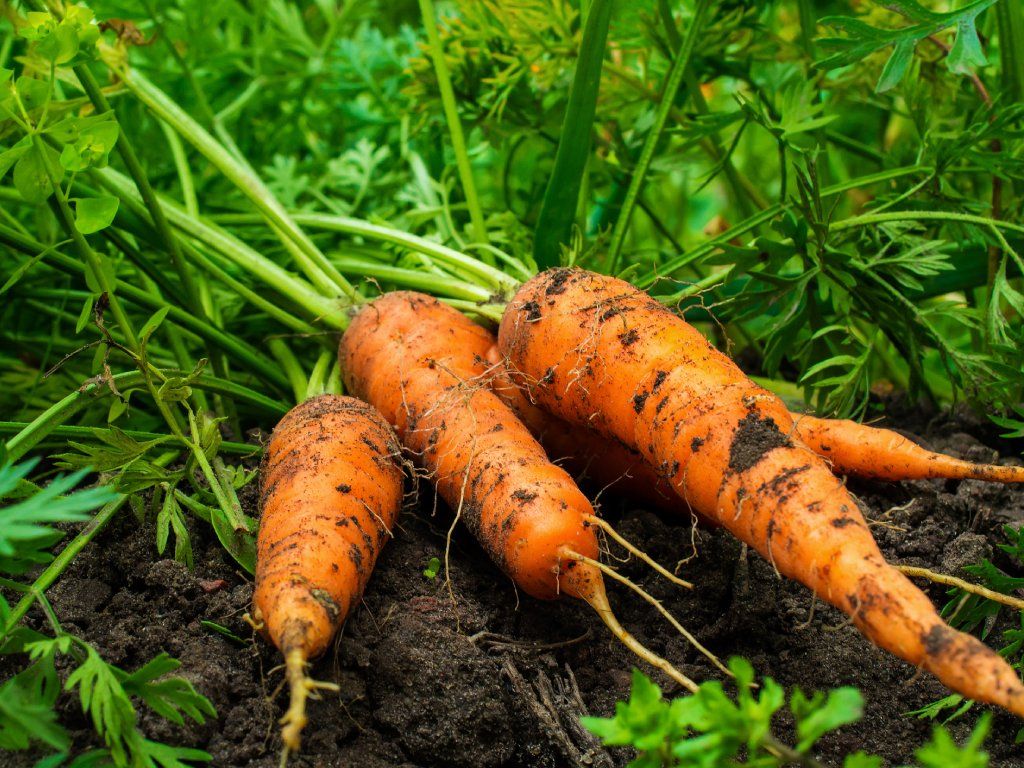
Carrots are one of the most popular root vegetables, known for their sweet, crunchy texture and vibrant orange color (though varieties come in purple, white, and red too). Rich in beta-carotene, vitamin A, and antioxidants, they support eye health and immunity. In the garden, carrots prefer loose, sandy soil to prevent forking and grow best in full sun.
To plant, sow seeds directly 1/4 inch deep in rows spaced 12 inches apart during cool seasons—spring or fall. Thin seedlings to 2-3 inches apart for straight roots. Water consistently to avoid cracking, and mulch to retain moisture. Harvest in 50-80 days when tops are 1/2 inch in diameter. Common issues include carrot rust fly, which can be prevented with row covers. Carrots are excellent for container gardening, making them accessible for small spaces.
2. Beets
Beets, or beetroots, are versatile root vegetables with earthy sweetness, used in salads, roasts, or pickling. They’re packed with folate, manganese, and nitrates that benefit heart health. Both roots and greens are edible, doubling their value in the garden.
Plant seeds 1/2 inch deep in well-drained soil, spacing 3-4 inches apart. They thrive in full sun to partial shade and cooler temperatures, ideal for early spring or fall sowing. Keep soil moist for tender roots; drought causes woodiness. Harvest baby beets at 1-2 inches for sweetness or mature ones at 3 inches after 50-70 days. Beets improve soil fertility as a cover crop and pair well with lettuce in companion planting.

3. Radishes
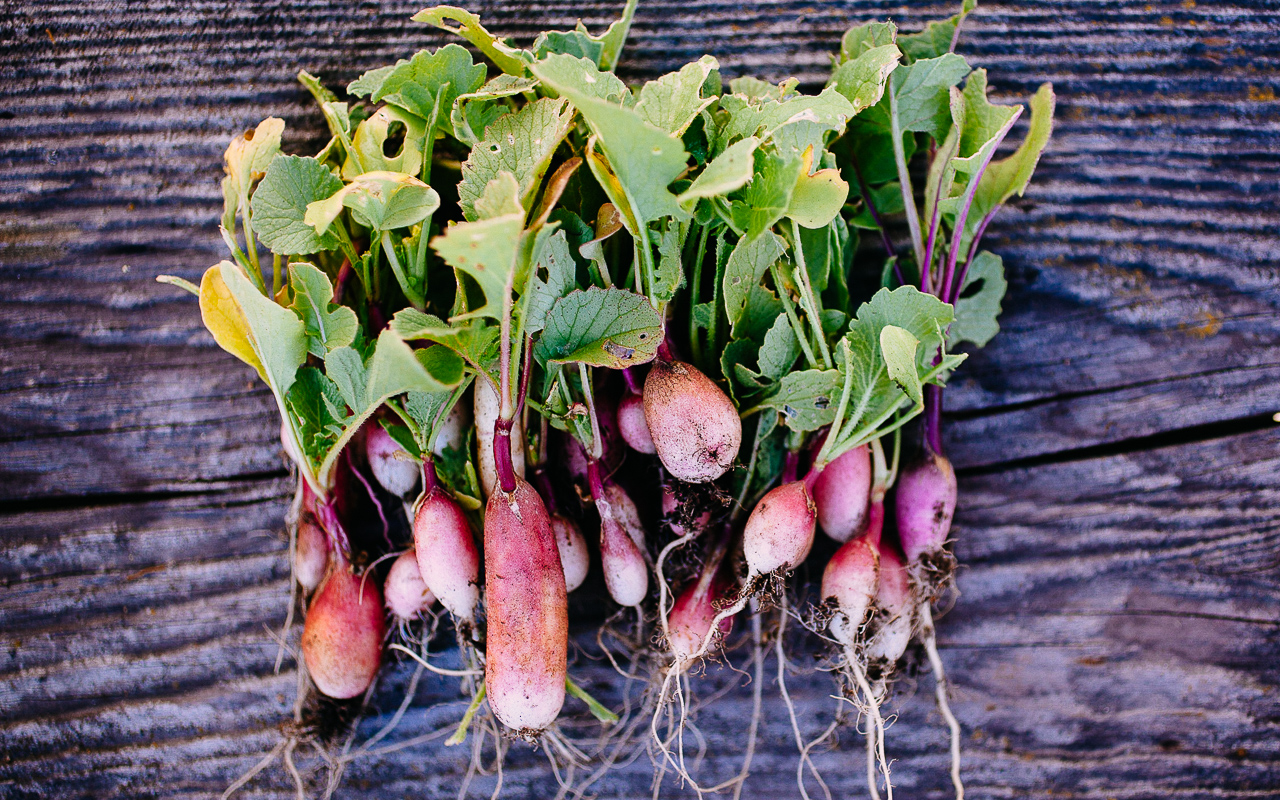
Radishes are quick-growing root vegetables, ready in just 20-30 days, perfect for impatient gardeners. Their peppery flavor adds zing to salads, and they’re low-calorie with vitamin C and potassium. Varieties range from small red globes to long white daikons.
Sow seeds 1/2 inch deep in loose soil, thinning to 2 inches apart. They prefer cool weather and full sun but bolt in heat, so plant successively every 2 weeks. Water regularly to prevent pithiness. Harvest when roots are firm; overgrown ones turn spongy. Radishes are great intercropped with slower growers like carrots to mark rows and deter pests.
4. Turnips
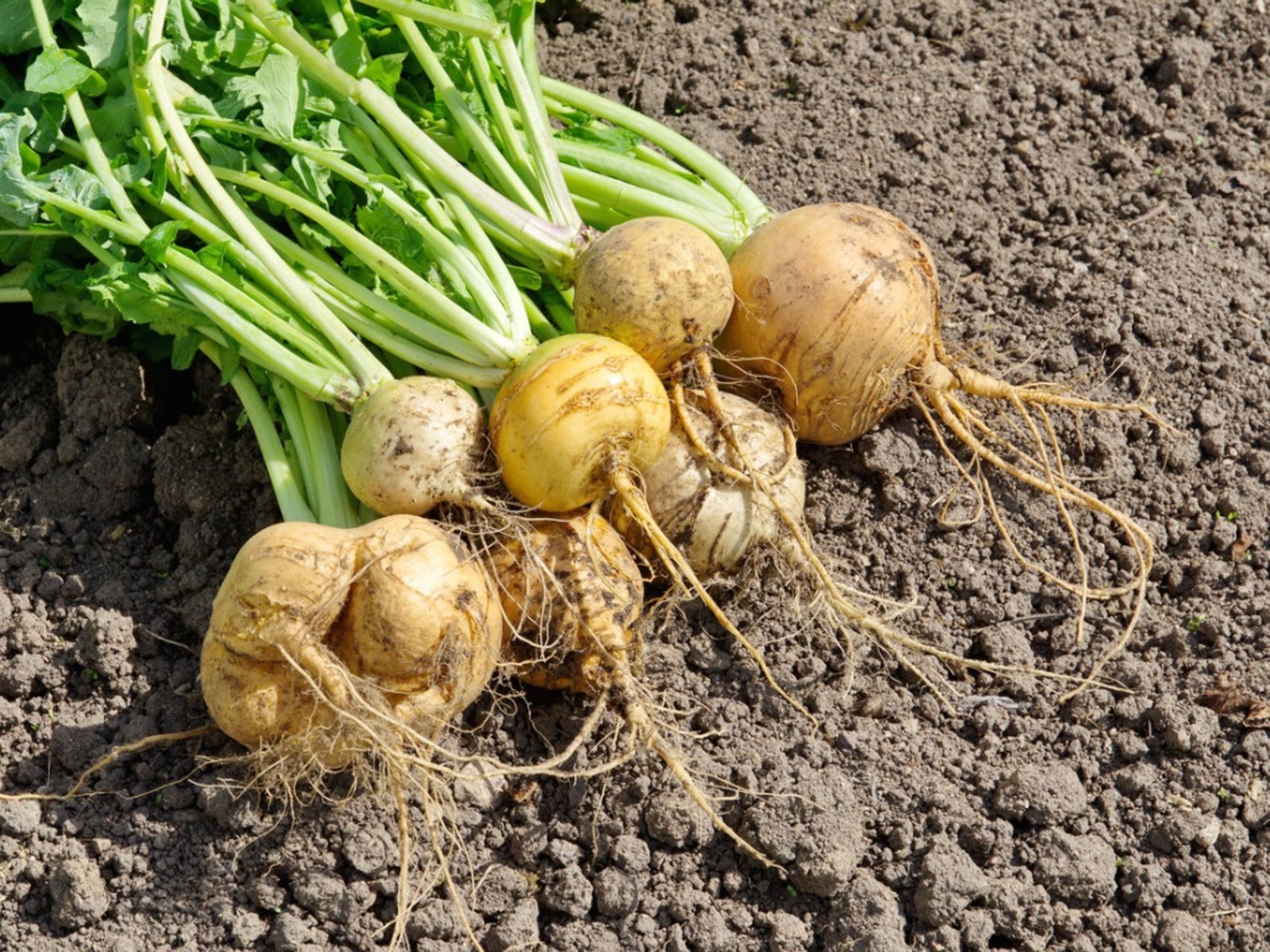
Turnips are robust root vegetables with a mild, slightly sweet taste when young, turning peppery as they mature. High in vitamin C and fiber, they’re excellent roasted or mashed. Greens are nutritious too, similar to mustard greens.
Direct sow seeds 1/2 inch deep in fertile, loose soil, spacing 4-6 inches. They grow in full sun and cool climates, harvesting in 40-60 days. Mulch to conserve moisture and suppress weeds. Turnips tolerate frost, making them suitable for fall gardens. Watch for flea beetles; use organic neem spray if needed.
5. Parsnips
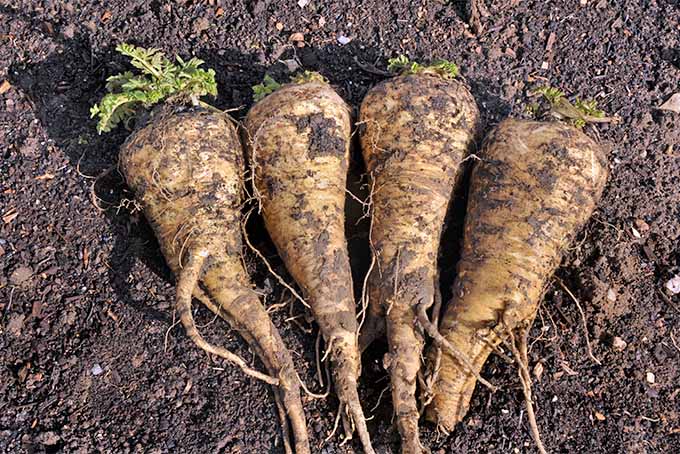
Parsnips resemble pale carrots with a nutty, sweet flavor enhanced by frost. They’re rich in vitamins K and C, folate, and fiber, supporting digestion and bone health.
Sow seeds 1/2 inch deep in deep, stone-free soil for straight roots. They need full sun and a long growing season (100-120 days), best planted in early spring. Thin to 3-4 inches. Cold weather sweetens them, so harvest after first frost. Parsnips are low-maintenance but avoid fresh manure to prevent forking.
6. Rutabagas
Rutabagas, or swedes, are larger turnip relatives with sweet, buttery flesh ideal for mashing or soups. They’re loaded with vitamin C, potassium, and antioxidants.
Plant seeds 1/2 inch deep in rich soil, spacing 8 inches. They prefer cool weather and full sun, maturing in 90-100 days. Water evenly; mulch for weed control. Harvest when 3-5 inches for best flavor. Rutabagas store well and are frost-tolerant, extending your root vegetable harvest.

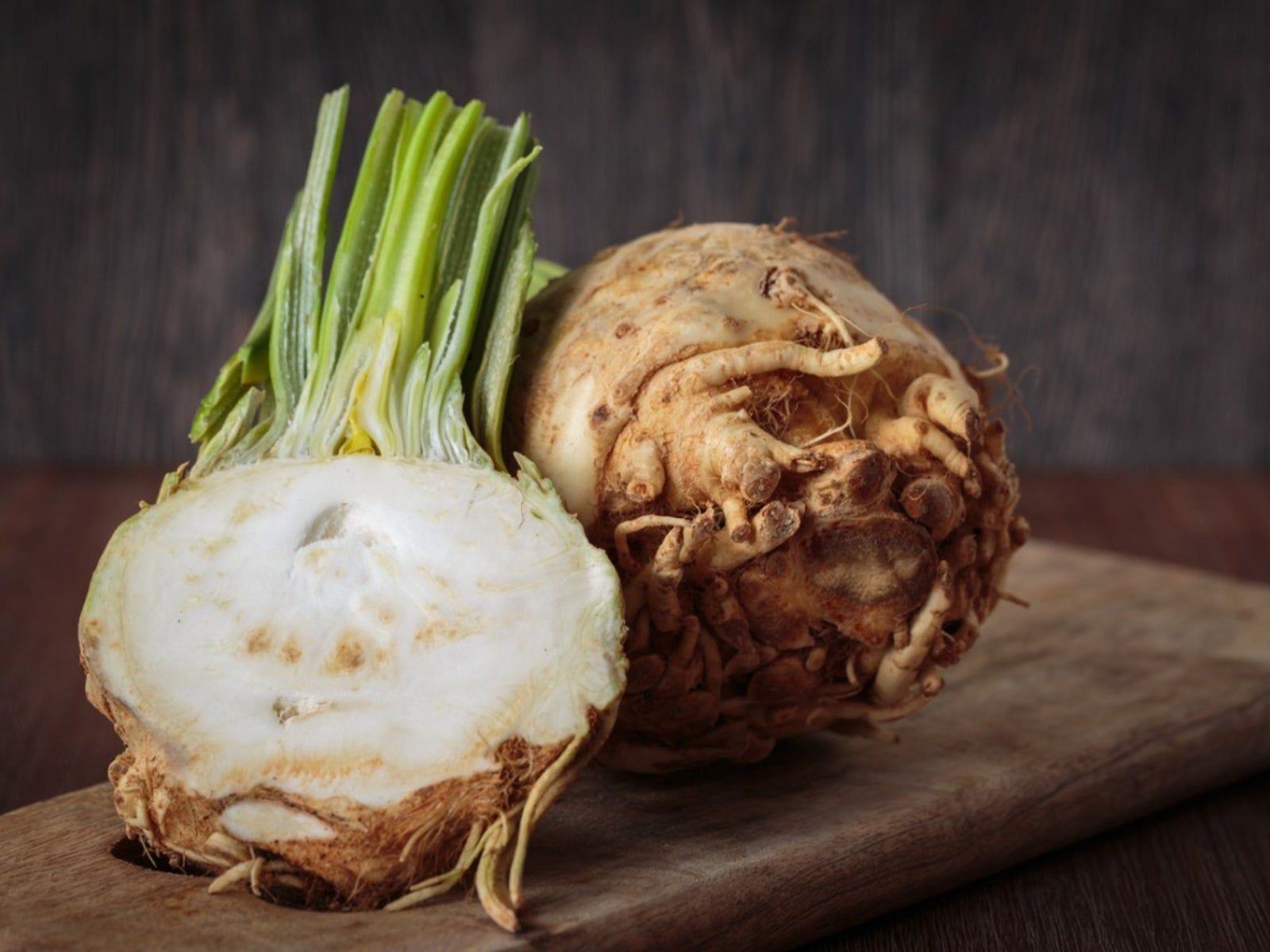
7. Celeriac
Celeriac, or celery root, has a knobby exterior but celery-like flavor with nutty undertones. It’s high in vitamin K, phosphorus, and fiber for bone and digestive health.
Sow indoors 8-10 weeks before last frost, transplanting to garden in full sun with moist, fertile soil. Space 12 inches apart; harvest in 100-120 days. Trim outer leaves to focus energy on roots. It’s great in purees and withstands light frost.
8. Jerusalem Artichokes
Jerusalem artichokes, or sunchokes, produce knobby tubers with nutty, artichoke-like taste. They’re prebiotic-rich, aiding gut health with inulin.
Plant tubers 4 inches deep in sunny, well-drained soil, spacing 12-18 inches. They grow tall (up to 10 feet) and spread vigorously, so contain them. Harvest after frost in fall; they store in ground. Low-maintenance and perennial in many zones.

9. Salsify
Salsify, known as oyster plant, has long, tapered roots with mild, oyster-like flavor. It’s a good source of iron, potassium, and inulin.
Sow seeds 1/2 inch deep in loose soil, thinning to 3 inches. Full sun and cool weather suit it; harvest in 100-120 days after frost for sweetness. Mulch heavily; it’s biennial but grown as annual for roots.
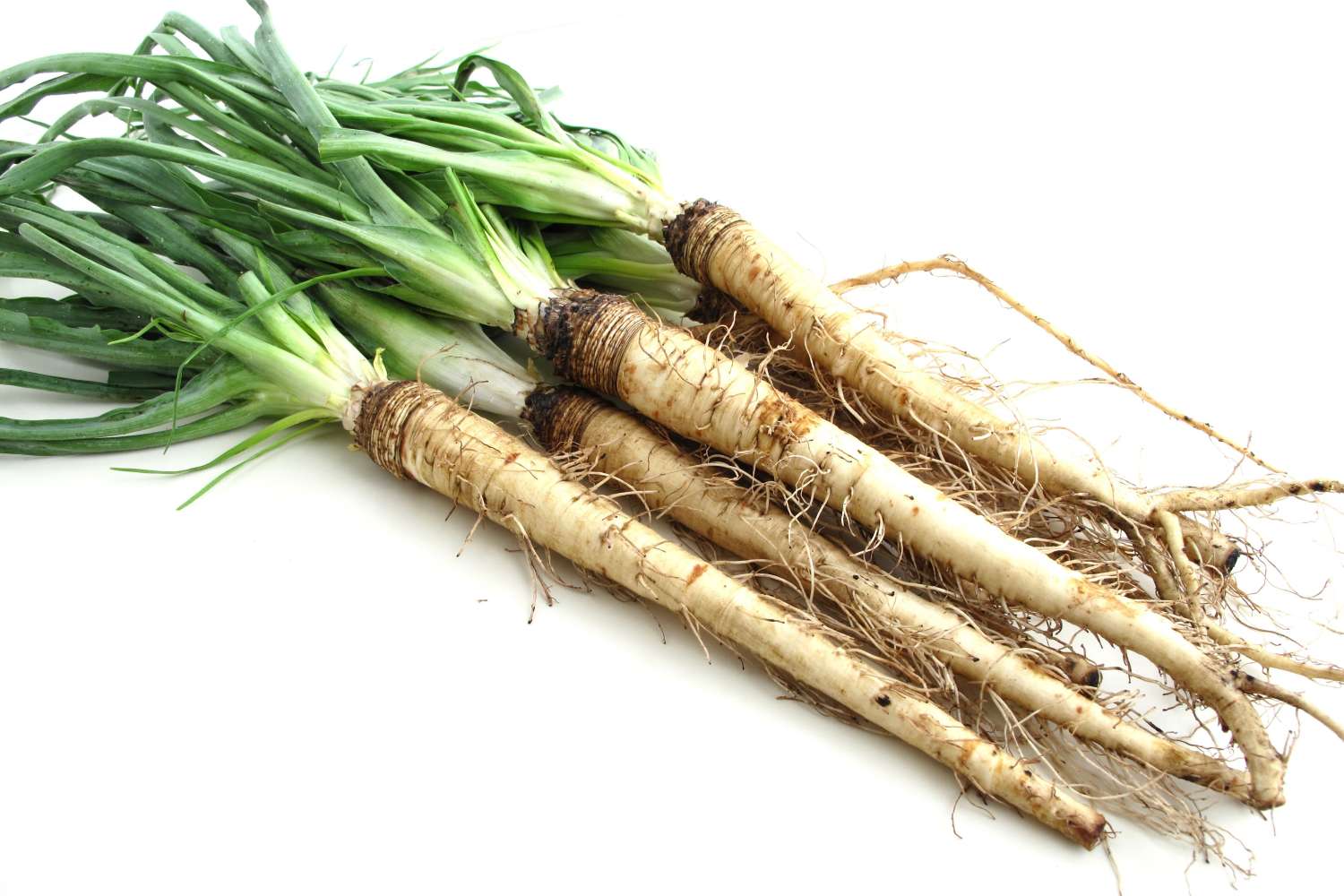
10. Burdock Root
Burdock root is long and slender with earthy, slightly sweet taste, used in teas and stir-fries. It’s detoxifying, with antioxidants and anti-inflammatory properties.
Direct sow in deep, loose soil, spacing 6 inches. Full sun to partial shade; harvest first-year roots in fall (150 days). It’s invasive, so manage spread. Popular in Asian cuisine and herbal medicine.
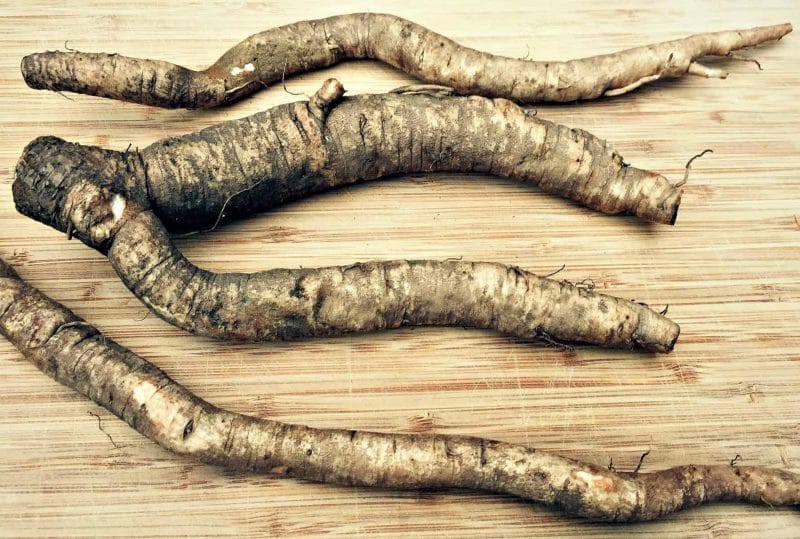
11. Horseradish
Horseradish offers pungent roots for sauces, rich in glucosinolates for immune support.
Plant root cuttings 2 inches deep in sunny, well-drained soil, spacing 18 inches. Perennial and vigorous; harvest in late fall after 1 year. Contain to prevent spreading. Fresh grated root adds spice to meals.
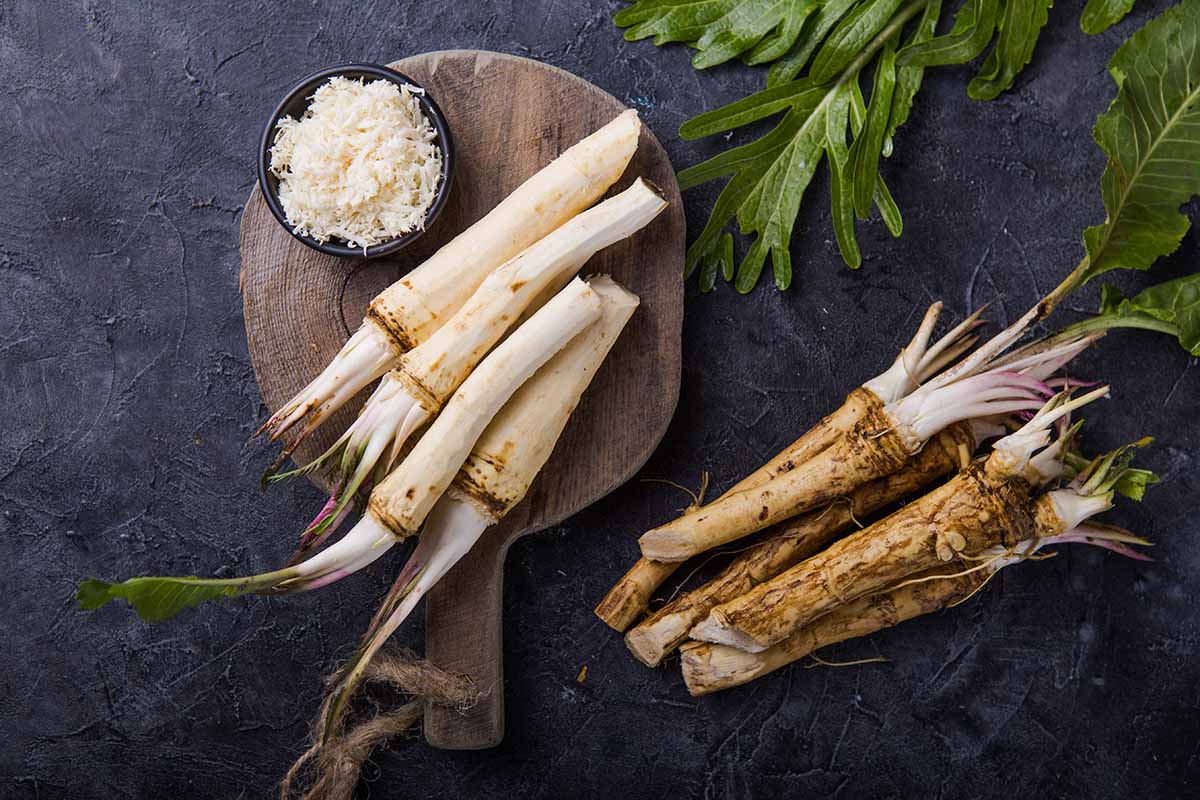
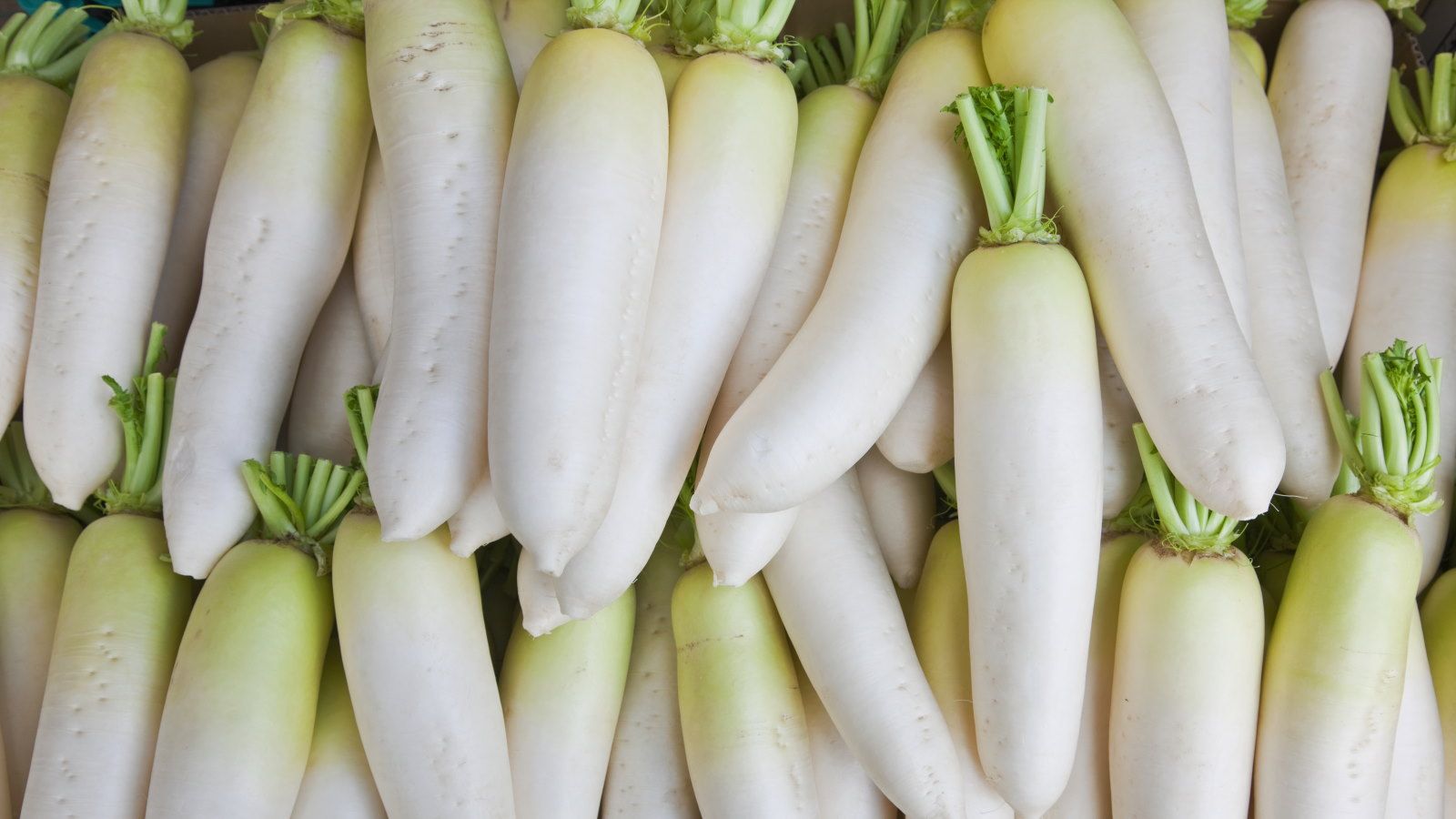
12. Daikon Radish
Daikon is a large, white radish with mild flavor, used in Asian dishes. High in vitamin C and enzymes for digestion.
Sow 1/2 inch deep in loose soil, spacing 6 inches. Cool weather and full sun; harvest in 50-70 days. Great for soil aeration as a cover crop.
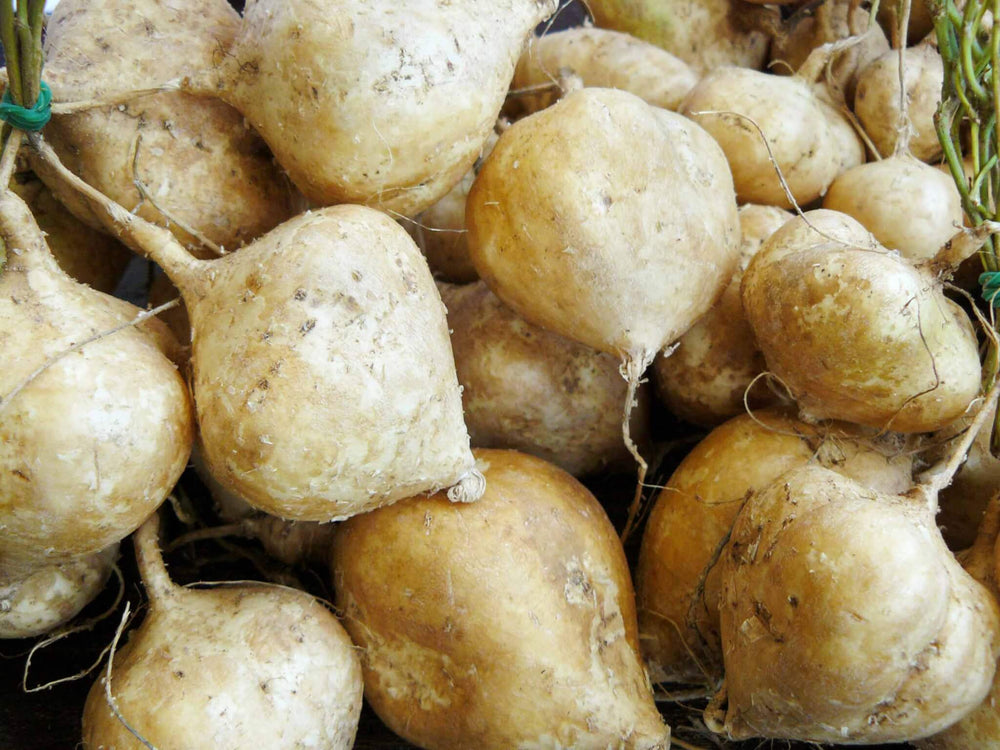
13. Jicama
Jicama has crisp, apple-like roots, low-calorie with vitamin C and fiber.
Start indoors in cool climates, transplant to sunny, well-drained soil. Long season (150 days); harvest when vines die back. Tropical but adaptable with protection.
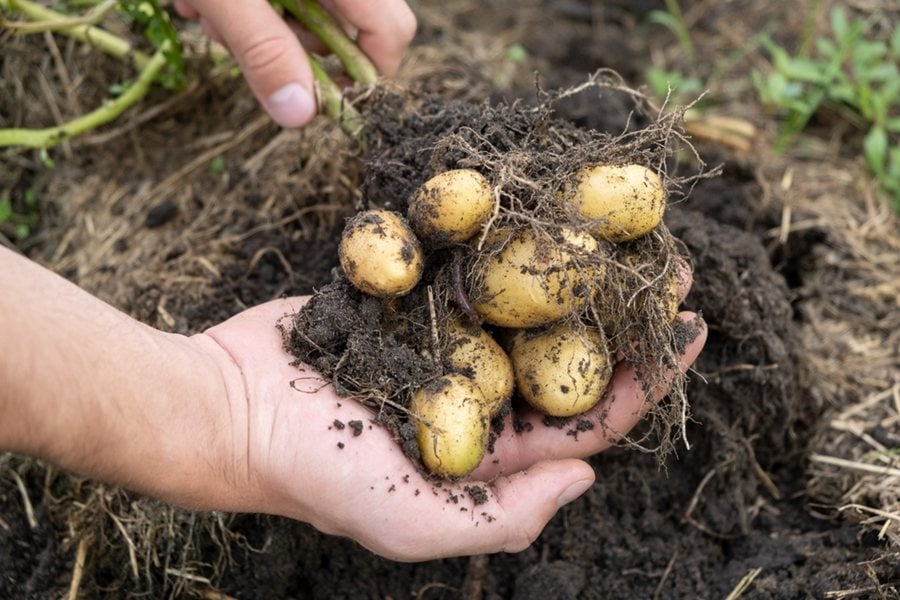
14. Potatoes
Potatoes are staple root vegetables (tubers) with endless varieties, providing carbs, vitamin C, and potassium.
Plant seed potatoes 4 inches deep in hilled rows, full sun. Harvest in 70-120 days. Prevent greening with deep hilling; rotate crops to avoid blight.
15. Sweet Potatoes
Sweet potatoes offer orange-fleshed tubers rich in beta-carotene and fiber.
Plant slips in warm soil, full sun, spacing 12 inches. Harvest in 90-120 days after vines yellow. Cure for sweetness; great for warmer gardens.
16. Yams
Yams are starchy tubers with rough skin, providing energy and vitamins, distinct from sweet potatoes in some regions.
Plant in tropical-like conditions, full sun, deep soil. Long season (150 days); harvest when foliage dies. Ideal for warmer climates.

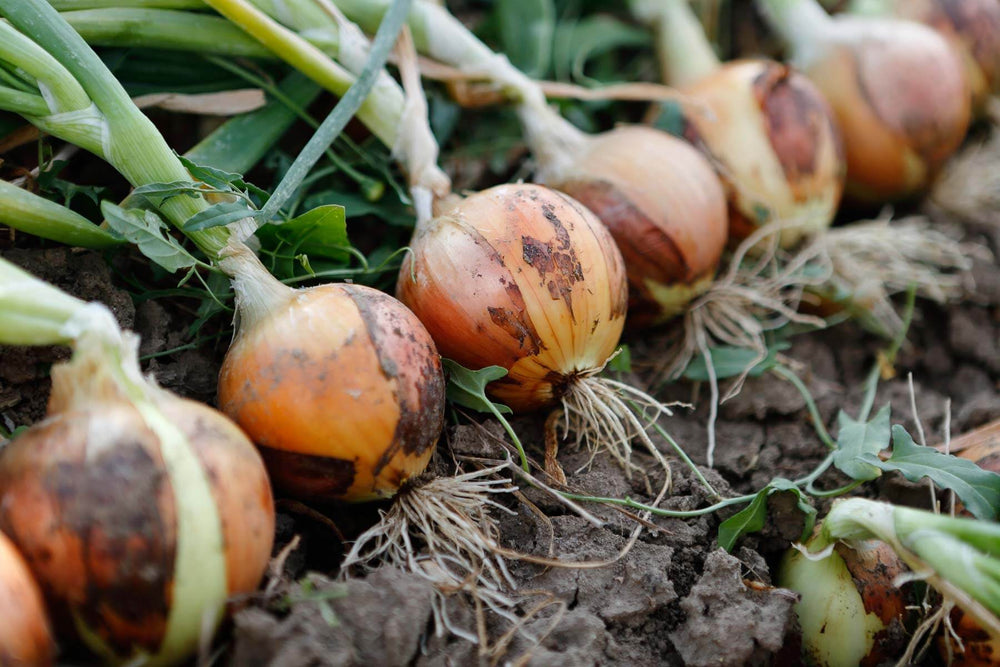
17. Onions
Onions are bulbous root vegetables essential for flavor, with antioxidants and anti-inflammatory benefits.
Plant sets or seeds in full sun, well-drained soil. Harvest in 100-120 days when tops fall. Varieties for short or long days.
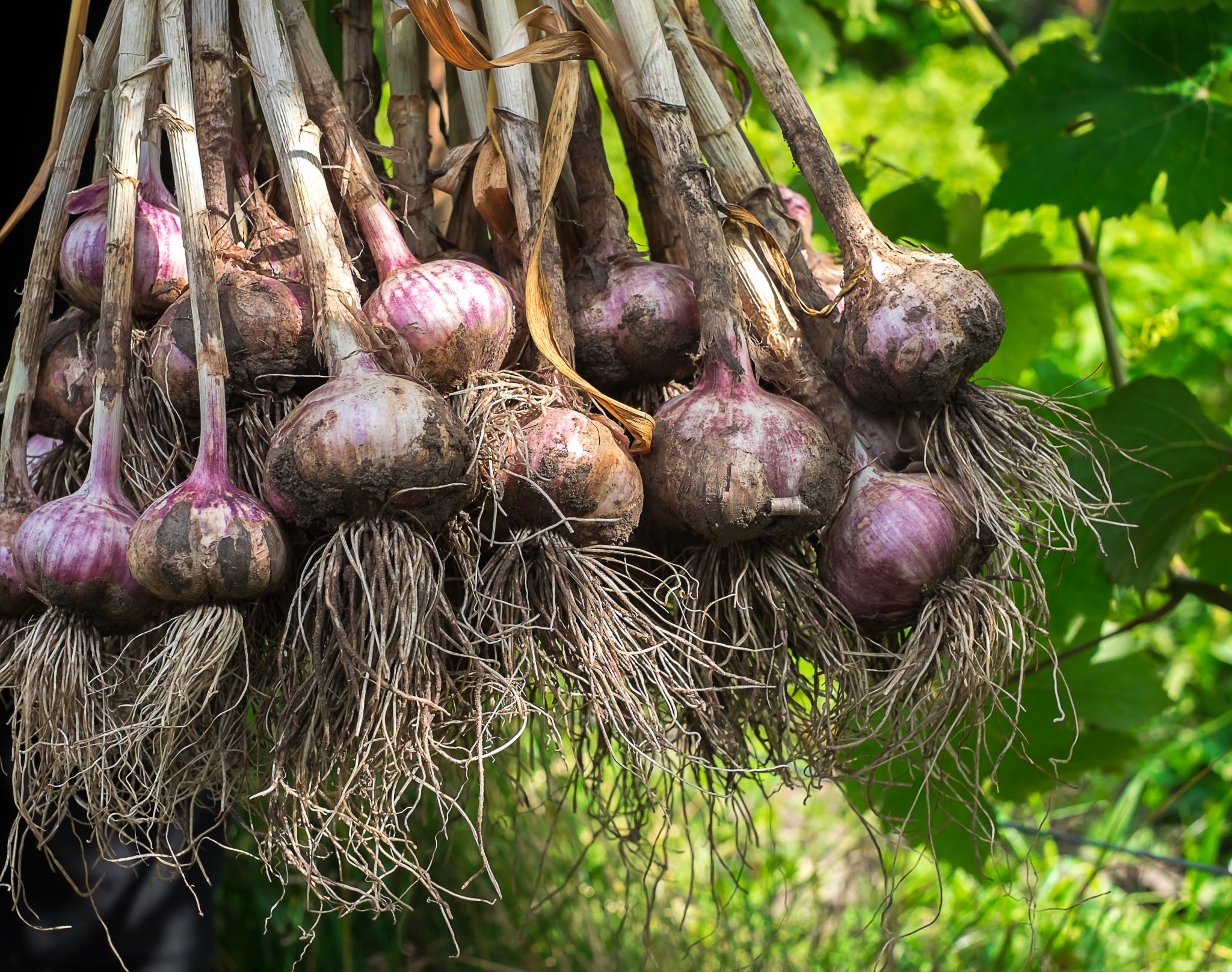
18. Garlic
Garlic bulbs add pungent flavor and health boosts like allicin for immunity.
Plant cloves in fall for spring harvest, full sun. Space 6 inches; harvest when lower leaves brown (8-10 months). Easy and stores well.
FAQs
What are root vegetables?
Root vegetables are plants where the edible part grows underground, including true roots, tubers, and bulbs like carrots, potatoes, and onions.
When is the best time to plant root vegetables?
Most root vegetables prefer cool seasons—spring or fall—to avoid bolting in heat, though some like sweet potatoes need warmth.
How do I prepare soil for root vegetables?
Use loose, well-drained soil amended with compost. Avoid rocks or compaction to ensure straight growth.
Can root vegetables be grown in containers?
Yes, many like radishes, carrots, and potatoes thrive in deep pots with good drainage.
What pests affect root vegetables?
Common ones include root maggots, flea beetles, and wireworms. Use row covers and crop rotation for prevention.
How do I store harvested root vegetables?
Keep in cool, dark, humid places like cellars. Some, like potatoes, need curing first.
Are root vegetables good for beginners?
Absolutely—they’re forgiving, require minimal care, and yield quickly.
Can I grow root vegetables year-round?
In mild climates or with protection like greenhouses, yes; otherwise, focus on seasonal planting.
What nutrients do root vegetables provide?
They offer vitamins A, C, K, fiber, potassium, and antioxidants for overall health.
How do root vegetables benefit the garden?
They aerate soil, suppress weeds, and can be used in companion planting to enhance biodiversity.
Final Words
Incorporating these 18 root vegetables into your garden opens a world of flavors, nutrition, and sustainability. From the quick radish to the storage-friendly potato, they suit any space or skill level. Start small, experiment, and enjoy the rewards of fresh produce. Happy gardening—your soil and table will thank you!


