

15 Mustard Greens Growing Tips for Beginners
Mustard greens are a versatile and nutritious leafy vegetable that can add a peppery kick to your salads, stir-fries, and soups. As a beginner gardener, starting with mustard greens is an excellent choice because they are relatively easy to grow, fast-maturing, and tolerant of cooler weather. These greens belong to the Brassica family, which includes favorites like kale and broccoli, and they thrive in various climates, making them ideal for home gardens. Whether you’re planting in raised beds, containers, or directly in the ground, understanding the basics of mustard greens cultivation can lead to bountiful harvests.
One of the appealing aspects of growing mustard greens is their nutritional profile. Packed with vitamins A, C, and K, as well as antioxidants and fiber, they contribute to a healthy diet. Plus, they can be harvested multiple times from the same plant, providing ongoing fresh produce. For beginners, it’s important to note that mustard greens prefer cool seasons, so planting in early spring or fall avoids the heat that can cause bolting—a process where the plant flowers prematurely and becomes bitter.
In this comprehensive guide, we’ll explore 15 essential tips to help you successfully grow mustard greens. From selecting the right variety to harvesting your crop, these tips are designed to build your confidence and ensure a thriving garden.
Tip 1: Choose the Right Variety of Mustard Greens
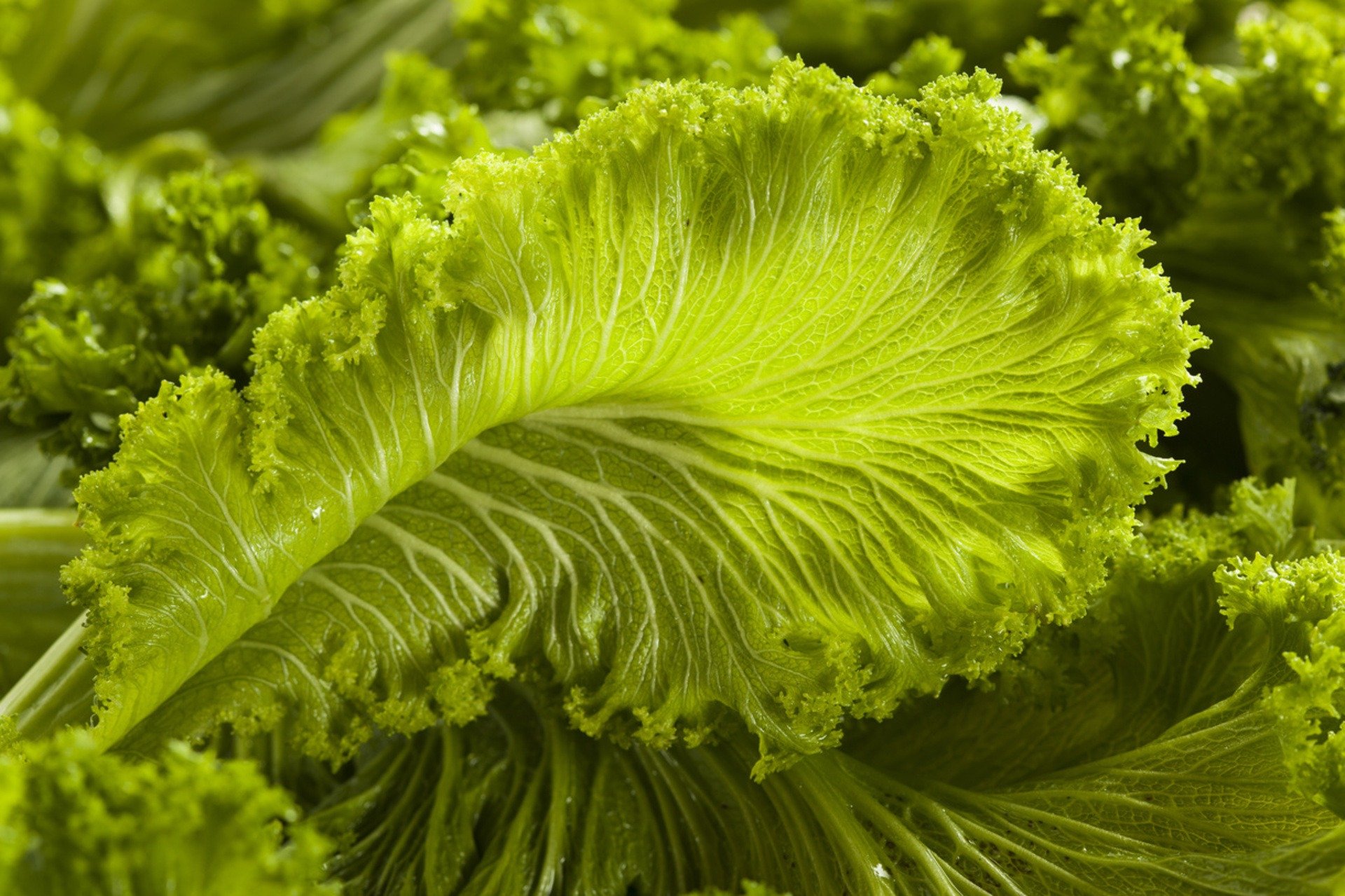
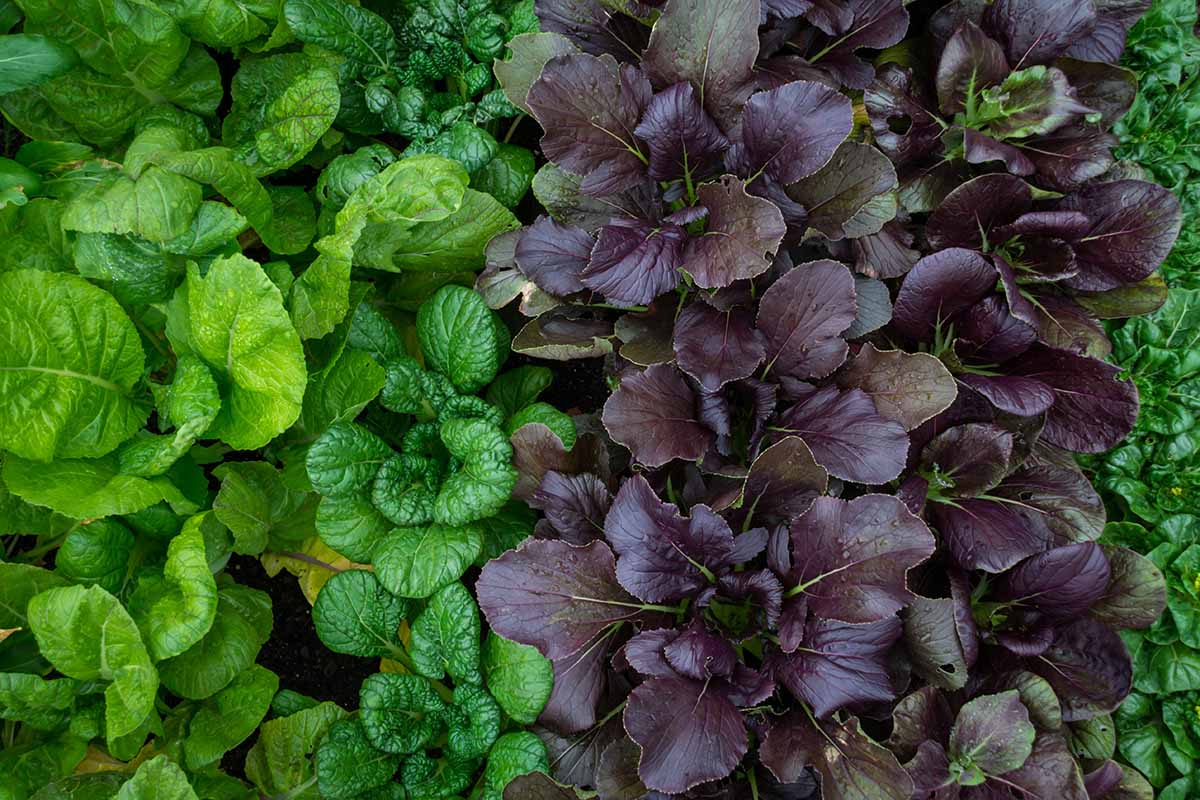
Selecting the appropriate variety is crucial for success when growing mustard greens. Beginners should consider factors like flavor, growth habit, and resistance to pests. Popular options include ‘Southern Giant Curled’ for its spicy leaves and ‘Red Giant’ for a milder taste with striking purple hues. These varieties not only enhance your garden’s aesthetic but also provide diverse culinary uses.
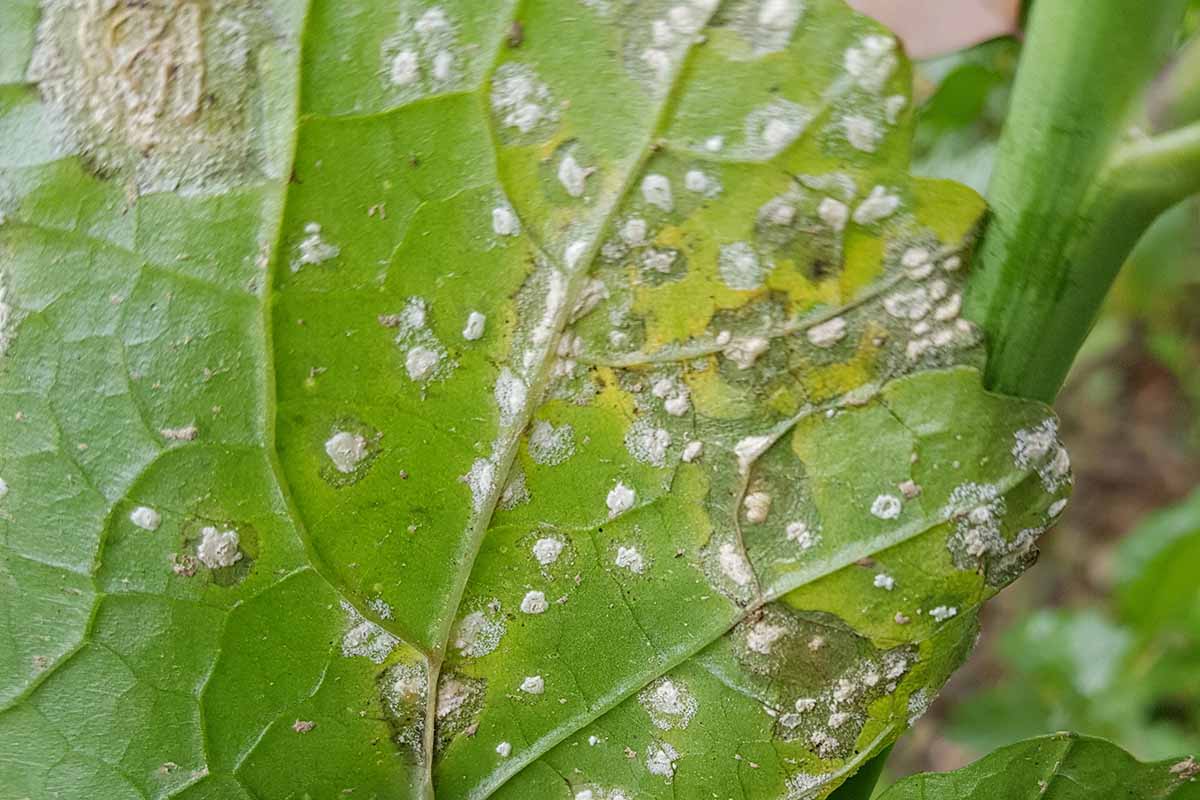
Think about your climate; some mustard greens varieties are more heat-tolerant, while others excel in cold weather. Researching seed packets or consulting local nurseries can help you pick hybrids that resist common diseases like downy mildew. Starting with a mix of varieties allows you to experiment and discover what thrives in your area. Remember, the right choice sets the foundation for healthy mustard greens plants that yield abundantly throughout the season.
Tip 2: Determine the Optimal Planting Time for Mustard Greens
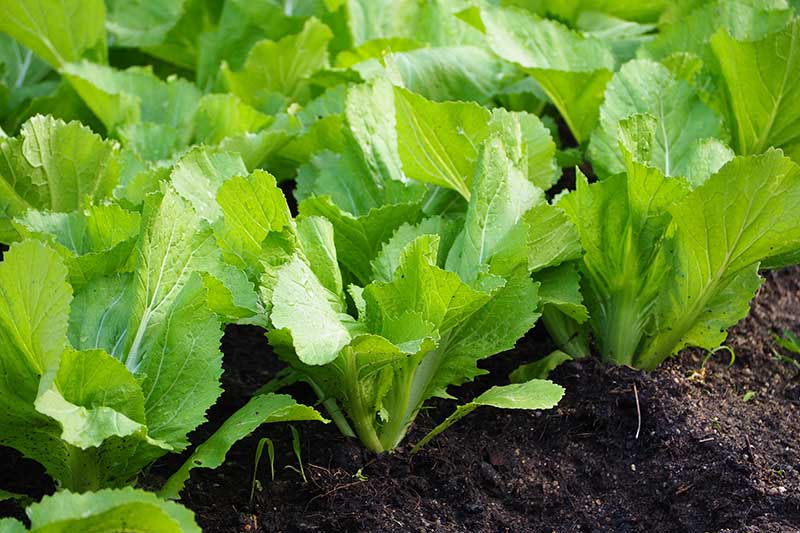
Timing is everything in gardening, especially for mustard greens, which prefer cooler temperatures. Plant them in early spring, about 2-4 weeks before the last frost, or in late summer for a fall harvest. This avoids the summer heat that can make leaves bitter and cause bolting.
Check your local frost dates using resources like the USDA Hardiness Zone map. In warmer climates, mustard greens can be grown as a winter crop. Succession planting—sowing seeds every 2-3 weeks—ensures a continuous supply. By aligning your planting schedule with seasonal changes, you’ll maximize the growth potential of your mustard greens and enjoy fresh produce longer.

Tip 3: Prepare Your Soil Properly Before Planting Mustard Greens
Healthy soil is the backbone of successful mustard greens cultivation. These plants thrive in well-drained, fertile soil with a pH between 6.0 and 7.5. Begin by testing your soil and amending it with compost to improve nutrient content and structure.
Remove weeds and loosen the soil to a depth of 6-8 inches. Incorporating organic matter like aged manure enhances drainage and provides essential nutrients. Avoid heavy clay soils that retain too much water, as this can lead to root rot in mustard greens. Proper preparation ensures robust root development and vigorous growth from the start.

Tip 4: Plant Mustard Greens Seeds at the Correct Depth
When sowing mustard greens seeds, depth matters for germination success. Plant them about 1/4 to 1/2 inch deep in moist soil. Too deep, and seedlings may struggle to emerge; too shallow, and they risk drying out.
Space rows 12-18 inches apart for air circulation. Gently press the soil over the seeds and water lightly. Germination typically occurs within 4-7 days under optimal conditions. This simple step is vital for establishing strong mustard greens plants that will flourish in your garden.
Tip 5: Space Your Mustard Greens Plants Adequately
Proper spacing prevents overcrowding and promotes healthy growth in mustard greens. For baby greens, space seeds 1 inch apart; for mature plants, thin to 6-12 inches. This allows ample room for leaves to expand and reduces disease risk.
In containers, ensure at least 6 inches between plants. Good spacing facilitates better airflow, minimizing fungal issues. As your mustard greens grow, adequate space ensures each plant receives sufficient nutrients and sunlight, leading to higher yields.

Tip 6: Water Your Mustard Greens Consistently
Consistent moisture is key to tender, flavorful mustard greens. Water deeply but infrequently, aiming for 1 inch per week, depending on rainfall. Avoid overhead watering to prevent leaf diseases; instead, use soaker hoses.
Monitor soil moisture, especially during dry spells. Mulching helps retain water and suppress weeds. Overwatering can cause root issues, while underwatering leads to tough leaves. Balanced watering practices support vibrant mustard greens throughout their growth cycle.

Tip 7: Provide Adequate Sunlight for Mustard Greens
Mustard greens need 4-6 hours of sunlight daily for optimal growth. Full sun encourages robust leaves, but in hot climates, partial shade prevents bolting. Position your garden beds accordingly.
If growing indoors, use grow lights to supplement natural light. Insufficient sunlight results in leggy plants with poor flavor. By ensuring proper exposure, you’ll cultivate healthy mustard greens that are both nutritious and delicious.
Tip 8: Mulch Around Mustard Greens to Retain Moisture
Applying mulch is a simple yet effective way to support mustard greens. Organic mulches like straw or leaves conserve soil moisture, regulate temperature, and deter weeds. Spread a 2-3 inch layer around plants after seedlings emerge.
This practice reduces evaporation and maintains even soil conditions. As mulch decomposes, it adds nutrients back into the soil. For mustard greens, mulching is particularly beneficial in fluctuating weather, promoting steady growth.
Tip 9: Fertilize Mustard Greens Appropriately
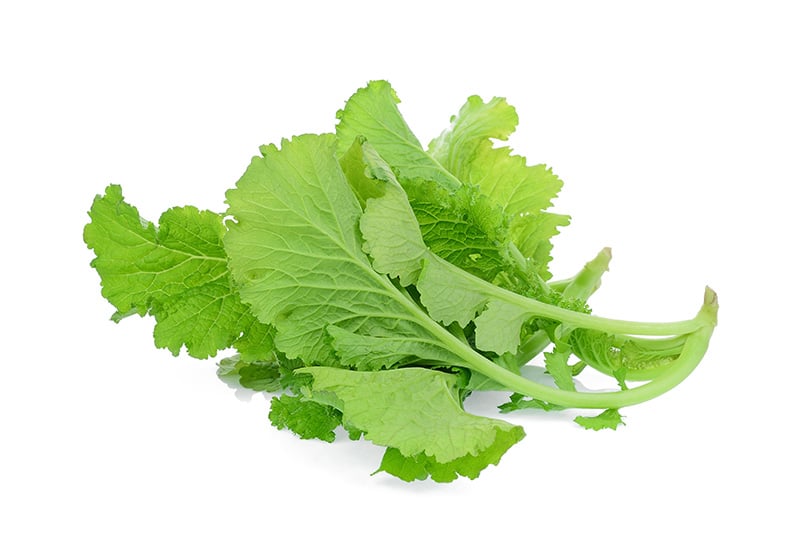
Fertilizing provides the nutrients mustard greens need for lush foliage. Use a balanced, organic fertilizer high in nitrogen at planting and mid-season. Avoid over-fertilizing, which can lead to excessive leaf growth at the expense of flavor.
Soil tests guide specific needs. Compost tea is a gentle option for beginners. Proper fertilization ensures your mustard greens remain vigorous and productive without chemical buildup.
Tip 10: Monitor for Pests on Mustard Greens
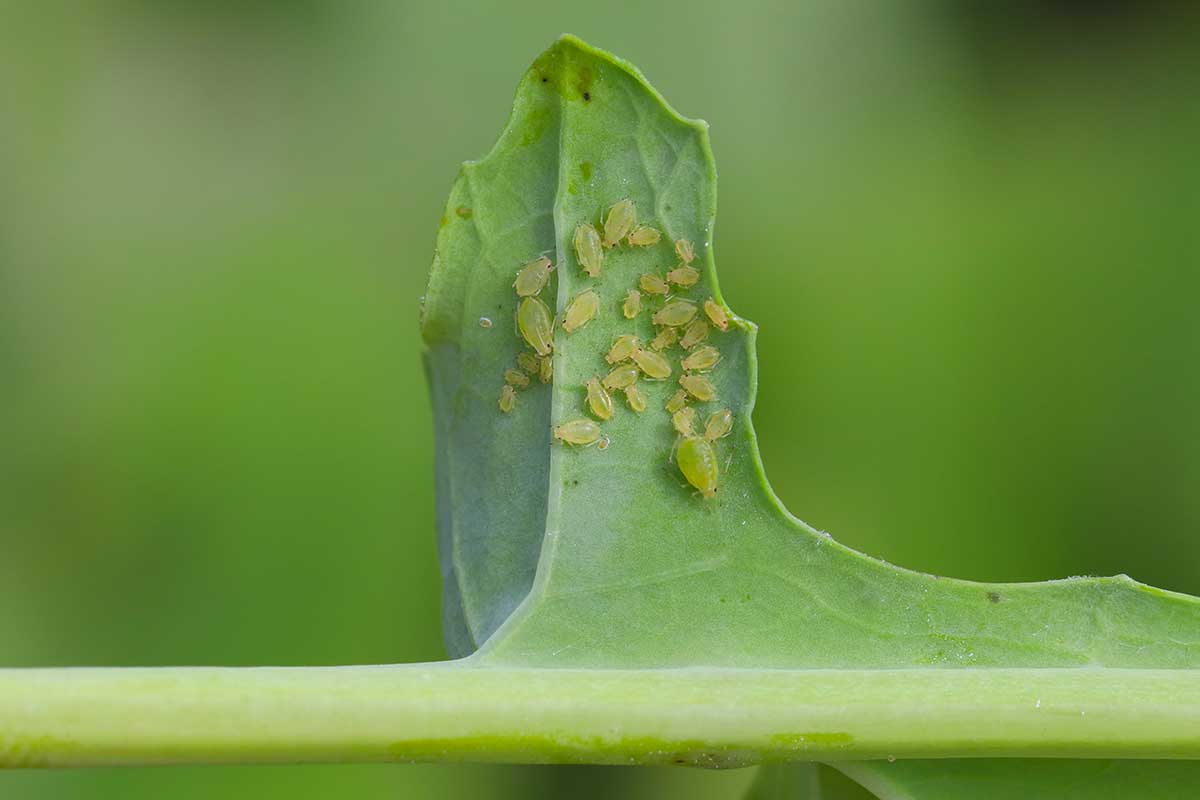
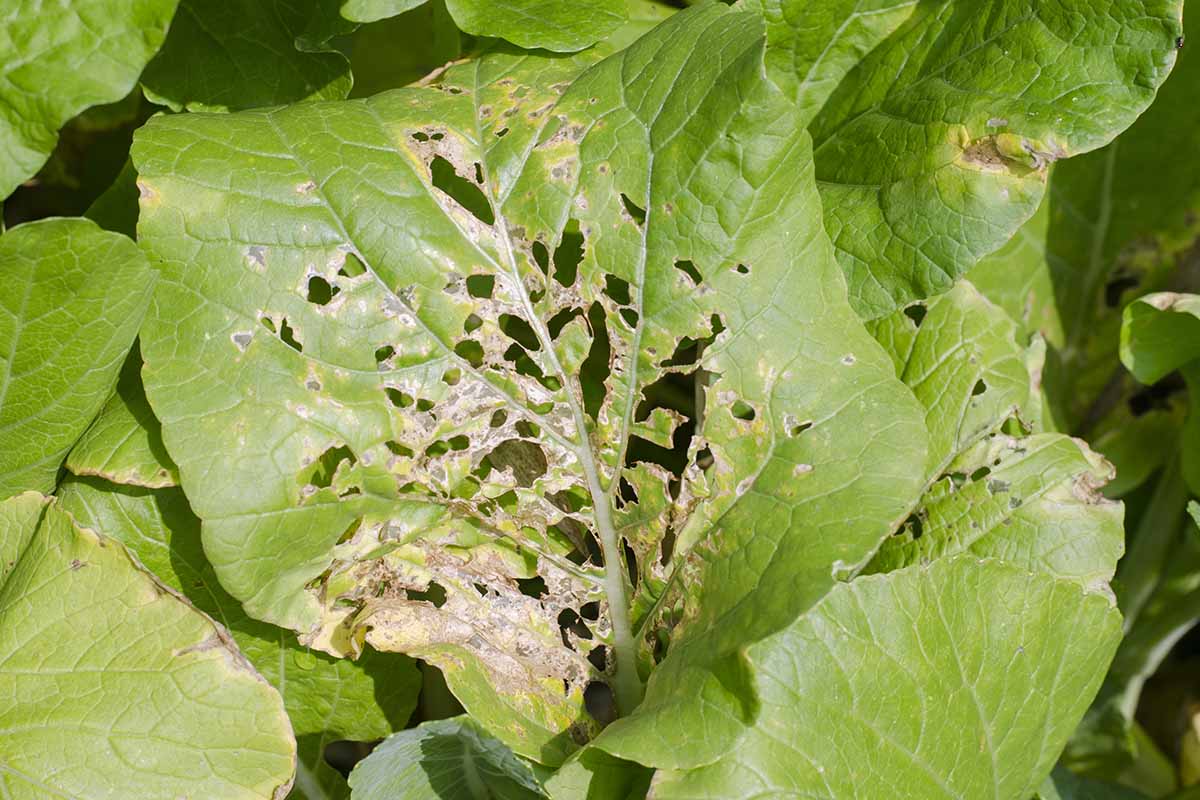
Pests like aphids and flea beetles can affect mustard greens. Regularly inspect leaves for signs of infestation. Natural controls include insecticidal soap or introducing beneficial insects like ladybugs.
Companion planting with marigolds deters pests. Early detection prevents widespread damage. By staying vigilant, you’ll protect your mustard greens and maintain a healthy garden ecosystem.
Tip 11: Control Weeds Around Mustard Greens
Weeds compete with mustard greens for resources. Hand-pull weeds regularly or use mulch to suppress them. Avoid chemical herbicides; opt for organic methods like hoeing.
Keeping the area weed-free improves air circulation and reduces disease risk. Consistent weed control allows your mustard greens to thrive without unnecessary competition.
Tip 12: Thin Mustard Greens Seedlings for Better Growth
Thinning overcrowded seedlings is essential for strong mustard greens. Once they have two true leaves, thin to the recommended spacing. This prevents stunted growth and improves yield.
Use thinned greens in salads—they’re tender and flavorful. Thinning promotes better root development and overall plant health in your mustard greens patch.
Tip 13: Harvest Mustard Greens at the Right Time
Harvest mustard greens when leaves are young and tender, typically 20-40 days after planting. Cut outer leaves first, allowing the center to continue growing for multiple harvests.
Morning harvesting preserves crispness. Regular picking encourages more production. Proper timing ensures the best flavor from your homegrown mustard greens.

Tip 14: Prevent Bolting in Mustard Greens
Bolting occurs when mustard greens flower due to heat or stress. Plant in cool seasons and provide shade cloth in warmer areas. Consistent watering and mulching help mitigate this.
Choose bolt-resistant varieties. If bolting starts, harvest immediately to salvage leaves. Preventing bolting extends the productive life of your mustard greens.
Tip 15: Rotate Crops Involving Mustard Greens
Crop rotation prevents soil depletion and disease buildup for mustard greens. Avoid planting in the same spot as other Brassicas for at least three years. Follow with legumes to replenish nitrogen.
This practice maintains soil health and reduces pest pressures. Implementing rotation ensures long-term success in growing mustard greens year after year.
FAQs About Growing Mustard Greens
What are the best companion plants for mustard greens?
Companion plants like onions, herbs, and marigolds help deter pests and enhance growth for mustard greens.
How long do mustard greens take to grow?
Mustard greens typically mature in 20-60 days, depending on the variety and conditions.
Can I grow mustard greens in pots?
Yes, mustard greens grow well in containers with adequate drainage and sunlight.
What causes yellow leaves on mustard greens?
Yellowing can result from nutrient deficiencies, overwatering, or pests; check soil and inspect plants.
Are mustard greens frost-tolerant?
Most mustard greens varieties can withstand light frosts, making them suitable for cool-season gardening.
How do I store harvested mustard greens?
Store in the refrigerator in a plastic bag for up to a week; wash just before use.
Can mustard greens be grown indoors?
With sufficient light and space, mustard greens can be grown indoors successfully.
What nutrients do mustard greens need most?
Nitrogen is key for leafy growth in mustard greens, along with phosphorus and potassium.
How to deal with aphids on mustard greens?
Use neem oil or introduce natural predators to control aphids on mustard greens.
Is it okay to eat bolted mustard greens?
Bolted mustard greens are edible but may be bitter; harvest flowers for added flavor.
Final Words
Growing mustard greens as a beginner can be a rewarding experience that connects you with nature and provides fresh, healthy food. By following these 15 tips, you’ll navigate common challenges and enjoy successful harvests. Remember, patience and observation are your best tools—adjust based on your garden’s unique conditions. Whether you’re adding mustard greens to your diet for their health benefits or simply enjoying the gardening process, persistence pays off. Happy gardening, and may your mustard greens thrive abundantly!


