

15 Leafy Greens to Grow for Healthy Home Meals
In today’s fast-paced world, incorporating leafy greens into your diet has never been more important. These nutrient-dense vegetables are powerhouse ingredients that support overall health, from boosting immunity to promoting heart health and aiding digestion. Growing your own leafy greens at home not only ensures freshness and reduces your carbon footprint but also allows you to enjoy organic produce without the hefty price tag of store-bought options. Whether you have a spacious backyard, a small balcony, or even a windowsill, cultivating leafy greens is accessible to everyone, regardless of gardening experience.
Leafy greens are versatile in the kitchen, adding vibrant colors, textures, and flavors to salads, smoothies, stir-fries, and soups. They are low in calories yet high in vitamins, minerals, and antioxidants, making them ideal for healthy home meals. By growing your own, you can harvest them at peak ripeness, maximizing their nutritional value. This article explores 15 excellent leafy greens to grow, complete with growing tips, health benefits, and meal ideas.
Starting a home garden with leafy greens can be rewarding and straightforward. Most thrive in cool weather, require minimal space, and can be grown in pots or raised beds. They often mature quickly, providing multiple harvests throughout the season. With proper care, such as adequate watering, sunlight, and soil preparation, you’ll have a steady supply for wholesome meals. Let’s dive into the 15 leafy greens that can transform your home cooking and health.
1. Spinach
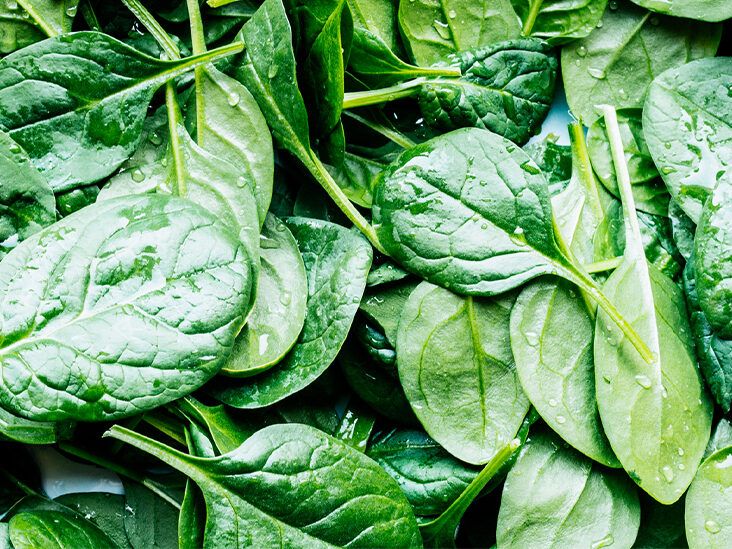
Spinach is one of the most popular leafy greens, known for its mild flavor and versatility. This cool-season crop grows quickly and can be harvested as baby leaves or full-sized. To grow spinach, plant seeds in well-drained soil with partial shade, especially in warmer climates. It prefers temperatures between 50-70°F and needs consistent moisture to prevent bolting. Space seeds 2-3 inches apart, and thin seedlings as they grow. Harvest outer leaves to encourage continuous production.
Health-wise, spinach is packed with iron, vitamin K, folate, and antioxidants like lutein, which support eye health and reduce inflammation. It’s excellent for bone health and can help manage blood pressure. In meals, use spinach in salads, sautés, or as a base for green smoothies. Try adding it to omelets or pasta for a nutrient boost. Growing spinach at home ensures you get the freshest leafy greens, free from pesticides.
2. Kale
Kale, a hardy leafy green, comes in varieties like curly, lacinato, or red Russian, each offering unique textures. It’s tolerant of cold weather and can even improve in flavor after a frost. Plant kale in full sun with rich, loamy soil, spacing plants 12-18 inches apart. Water regularly and mulch to retain moisture. It’s resistant to many pests but watch for aphids.
Kale is a superfood among leafy greens, rich in vitamins A, C, and K, plus calcium and fiber. It aids detoxification, supports heart health, and has anti-cancer properties due to glucosinolates. Massage leaves to soften for salads, or chip them for snacks. Incorporate kale into soups, stir-fries, or pestos for healthy home meals. Homegrown kale provides superior taste and nutrition compared to store-bought.
(Assuming image ID for kale as 1, based on potential sequencing.)
3. Romaine Lettuce
Romaine lettuce, with its crisp, elongated leaves, is a staple for Caesar salads and wraps. This leafy green grows well in cool conditions and can be sown directly in the garden. Plant in fertile soil with full sun to partial shade, spacing 8-12 inches. Keep soil moist to avoid bitterness, and harvest the whole head or outer leaves.
Nutritionally, romaine is high in vitamins A and K, folate, and potassium, promoting vision health and hydration. It’s low-calorie and hydrating, perfect for weight management. Use it in sandwiches, tacos, or grilled for a smoky flavor. Growing romaine at home lets you enjoy pesticide-free leafy greens in your daily meals.

4. Arugula
Arugula, also known as rocket, adds a peppery kick to dishes. This fast-growing leafy green matures in 3-4 weeks and prefers cool weather. Sow seeds shallowly in well-drained soil with partial shade, thinning to 4-6 inches. It bolts in heat, so succession plant for continuous supply.
Arugula is loaded with vitamin K, calcium, and nitrates that lower blood pressure. Its antioxidants support liver health. Toss in salads, pizzas, or sandwiches for zest. Home cultivation ensures fresh, organic arugula for elevating healthy home meals.
5. Swiss Chard
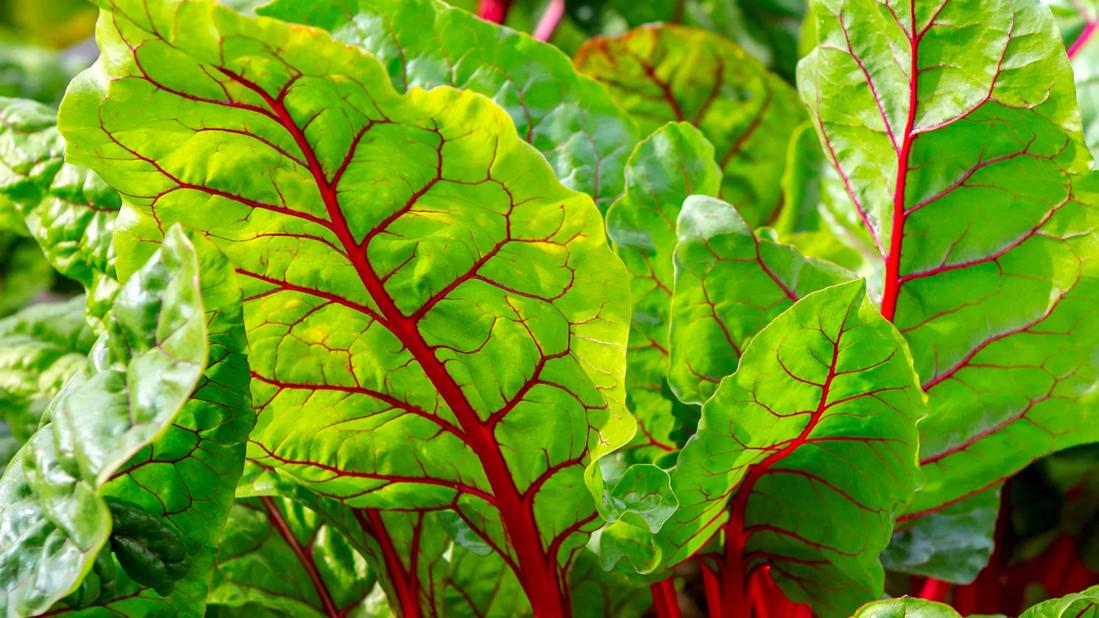
Swiss chard stands out with colorful stems in red, yellow, or white. This leafy green tolerates heat better than many and grows year-round in mild climates. Plant in rich soil with full sun, spacing 12 inches. Harvest leaves continuously for regrowth.
Rich in vitamins A, C, K, and magnesium, chard supports bone health and reduces oxidative stress. Sauté stems separately from leaves for stir-fries, or add to quiches. It’s a vibrant addition to any garden of leafy greens.

6. Collard Greens
Collard greens are tough, nutritious leafy greens popular in Southern cuisine. They thrive in cool to warm weather and need full sun and fertile soil. Space plants 18-24 inches, and mulch to conserve water. They’re frost-tolerant.
Packed with vitamin K, fiber, and calcium, collards aid digestion and bone strength. Braise with garlic and bacon for traditional dishes, or use raw in wraps. Growing them at home provides fresh options for soulful meals.
7. Mustard Greens
Mustard greens offer a spicy flavor and grow rapidly. Plant in spring or fall in sunny spots with moist soil, spacing 6-12 inches. They prefer cooler temps to avoid pungency.
High in vitamins A, C, and antioxidants, they support immunity and detox. Sauté or add to curries for heat. Homegrown mustard greens enhance the variety of leafy greens in your diet.
8. Beet Greens
Beet greens, often overlooked, are edible tops of beets. Grow beets for dual harvest in full sun with loose soil, spacing 3-4 inches. Harvest greens young.
They’re rich in iron, potassium, and vitamins, aiding blood health. Sauté like spinach or add to salads. Utilizing beet greens maximizes your garden’s leafy green potential.
9. Turnip Greens
Turnip greens are similar to mustard but milder. Plant turnips for roots and leaves in cool weather, full sun, spacing 2-4 inches.
Loaded with calcium, folate, and vitamin K, they promote heart health. Steam or stew for sides. Home growing offers fresh turnip greens for nutritious meals.
10. Bok Choy
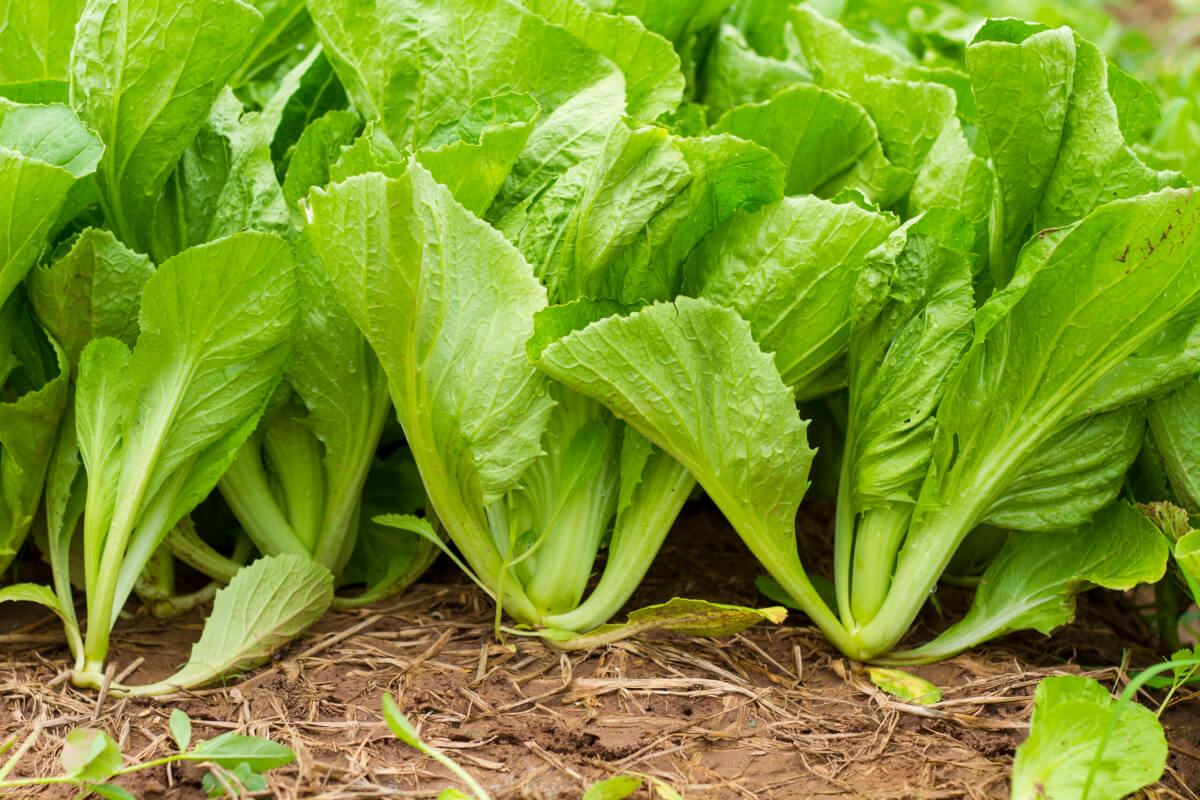
Bok choy, an Asian leafy green, has crunchy stems and tender leaves. Grow in partial shade with moist soil, spacing 6-12 inches. It’s quick-maturing.
Rich in vitamins C and K, it supports immunity. Stir-fry or add to soups. It’s a great addition to diverse leafy green gardens.

11. Cabbage
Cabbage forms tight heads and is versatile. Plant in full sun with rich soil, spacing 12-18 inches. It’s cool-season.
High in vitamin C and fiber, it aids digestion. Use for slaws or ferments. Homegrown cabbage is a staple among leafy greens.
12. Watercress
Watercress grows in wet conditions, often hydroponically. Plant in shade with constant moisture.
It’s nutrient-dense with vitamin K and antioxidants. Add to sandwiches or soups. It’s a peppery leafy green for health boosts.
13. Endive
Endive has bitter, curly leaves. Grow in cool weather, full sun, spacing 8 inches.
Rich in fiber and vitamins, it supports gut health. Use in salads. It’s a chicory family leafy green.
14. Escarole
Escarole is broad-leaved and less bitter. Plant like lettuce in cool seasons.
High in vitamins A and K. Sauté or add to Italian dishes. Enhances your leafy greens repertoire.
15. Dandelion Greens
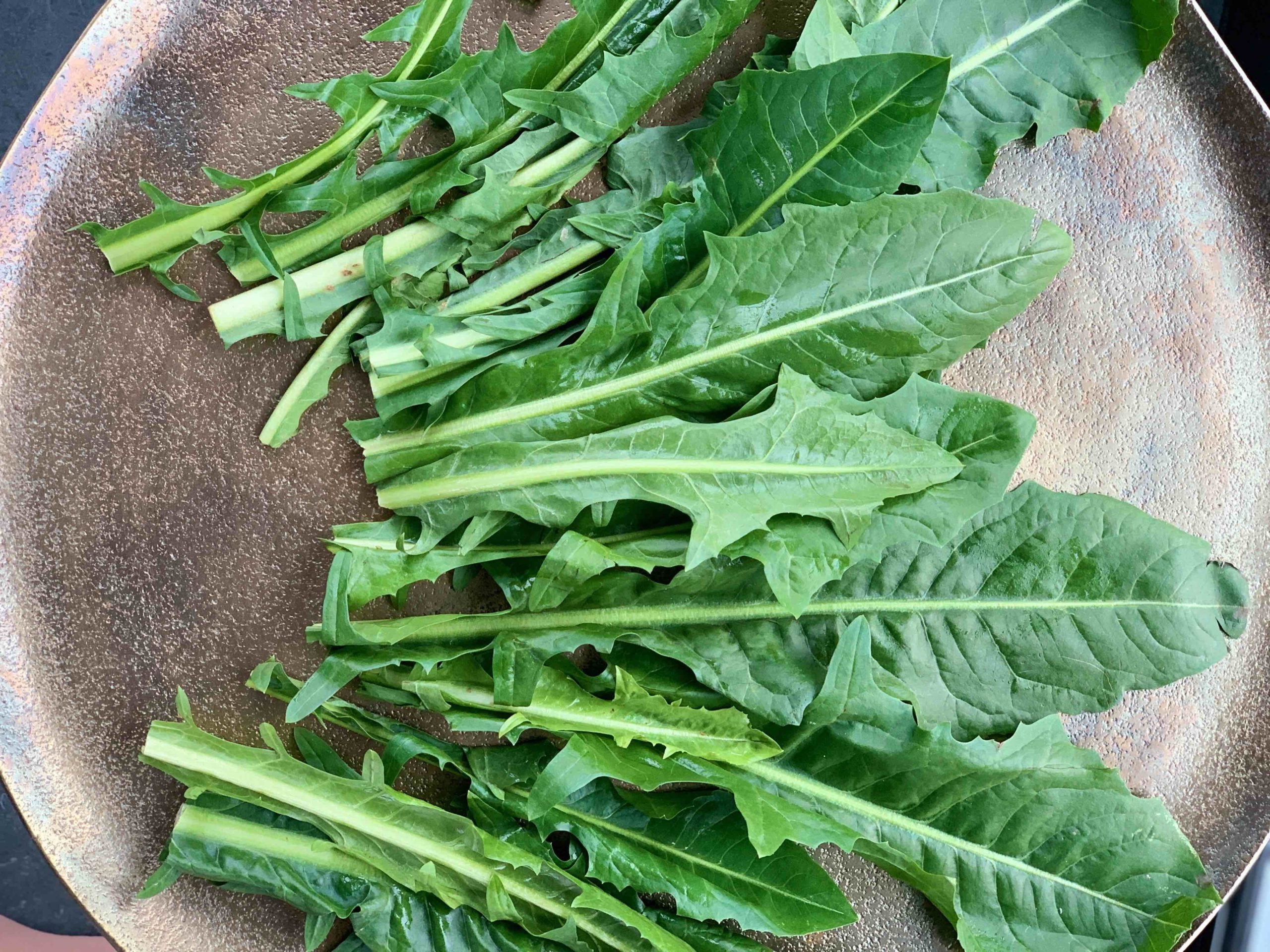
Dandelion greens are wild but cultivable. Grow in sun with average soil.
Packed with vitamins and diuretics. Sauté or salad. A foraged-style leafy green for home.
FAQs
What are the best leafy greens for beginners to grow?
Spinach, lettuce, and arugula are ideal due to quick growth and low maintenance.
How do I prevent pests in my leafy greens garden?
Use organic sprays, row covers, and companion planting with herbs.
Can leafy greens be grown indoors?
Yes, with grow lights and pots for varieties like spinach and kale.
What soil is best for leafy greens?
Well-drained, nutrient-rich soil with pH 6.0-7.0.
How often should I water leafy greens?
Keep soil moist, watering 1-2 inches weekly, more in heat.
Are all leafy greens low in calories?
Yes, most are, making them great for weight control.
Can I grow leafy greens in pots?
Absolutely, many thrive in containers with good drainage.
What nutrients do leafy greens provide?
Vitamins A, C, K, iron, calcium, and fiber commonly.
How to store homegrown leafy greens?
Refrigerate in damp paper towels for up to a week.
Do leafy greens help with weight loss?
Their high fiber and low calories support satiety and health.
Final Words
Embracing leafy greens in your home garden is a step toward healthier living and sustainable eating. By growing these 15 varieties, you’ll have endless options for nutritious, flavorful meals. Start small, experiment, and enjoy the benefits of fresh produce. Your body and the planet will thank you. Happy gardening!

