

19 Lawn and Landscape Ideas for a Well Maintained Yard
Maintaining a beautiful yard doesn’t have to be a daunting task. With the right lawn and landscape strategies, you can create an outdoor space that’s both visually appealing and easy to care for. Whether you’re a seasoned gardener or just starting out, these ideas focus on practical tips that enhance curb appeal while promoting healthy growth. From basic maintenance routines to creative design elements, incorporating these lawn and landscape ideas will help you achieve a well-maintained yard that stands out in your neighborhood. Let’s dive into 19 actionable suggestions to transform your outdoor area.
1. Establish a Regular Mowing Schedule
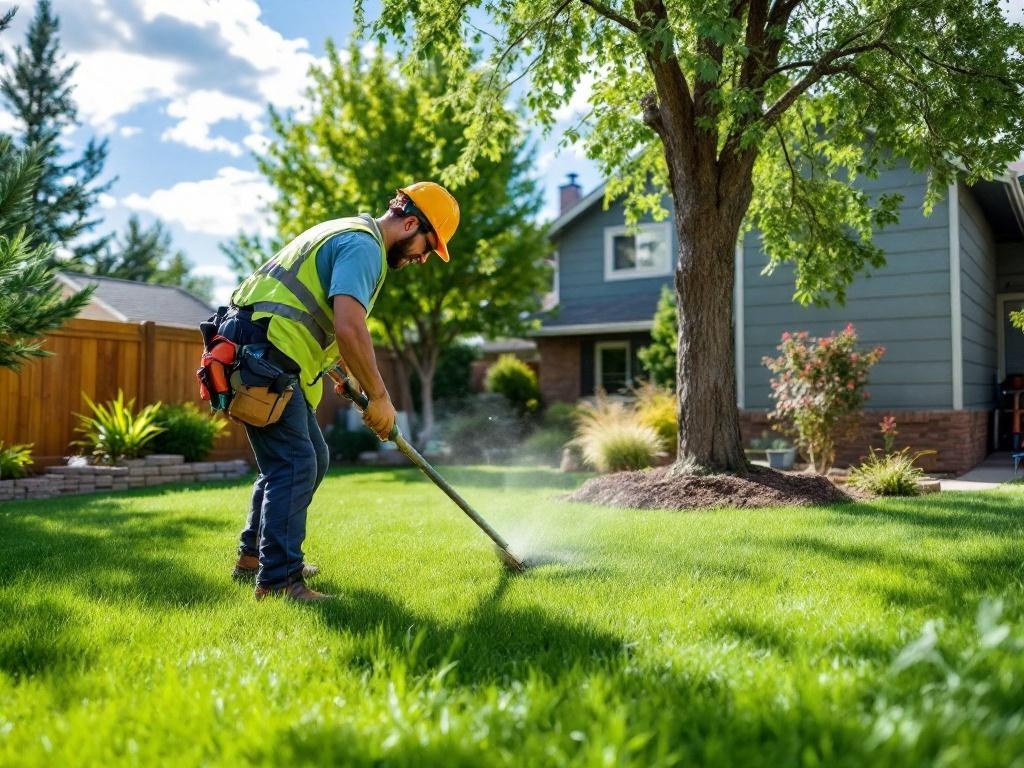
One of the foundational aspects of lawn and landscape care is consistent mowing. Aim to mow your grass when it reaches about one-third higher than your desired height—typically 2.5 to 3 inches for most turf types. This prevents scalping the lawn, which can lead to weak roots and weed invasion. Use sharp blades to ensure clean cuts, and leave clippings on the grass as natural mulch to return nutrients to the soil. This simple routine keeps your yard looking neat and promotes denser growth, reducing the need for additional fertilizers.

2. Implement Deep Watering Techniques
Watering deeply but infrequently encourages strong root systems in your lawn and landscape plants. Instead of shallow daily sprinkles, provide about 1 inch of water per week, allowing it to soak 6-8 inches into the soil. Early morning watering minimizes evaporation and fungal issues. Consider installing a drip irrigation system for targeted delivery to flower beds and shrubs, saving water and time. This approach not only conserves resources but also helps your yard withstand drought conditions better.

3. Apply Balanced Fertilization
Fertilizing is key to nourishing your lawn and landscape for vibrant growth. Choose a slow-release fertilizer with a balanced N-P-K ratio suited to your soil type—test your soil first for accurate needs. Apply in spring and fall for cool-season grasses or summer for warm-season varieties. Avoid over-fertilizing to prevent runoff and environmental harm. Organic options like compost tea can provide nutrients gradually, supporting long-term soil health and reducing chemical dependency.
4. Prioritize Effective Weed Control
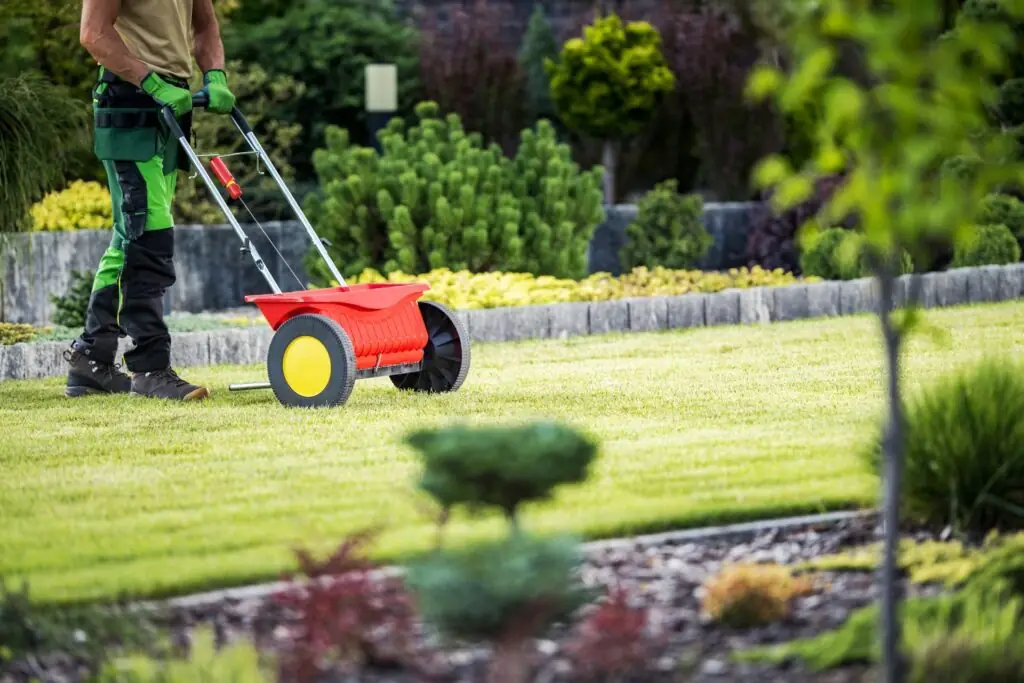
Weeds can quickly overrun a yard, competing with your desired plants for nutrients and water. For optimal lawn and landscape management, use pre-emergent herbicides in early spring to stop weeds before they sprout. Manually pull persistent ones or spot-treat with eco-friendly solutions like vinegar-based sprays. Maintaining thick grass through proper mowing and fertilizing naturally crowds out weeds, making this an essential low-effort strategy for a pristine yard.

5. Aerate Your Lawn Annually
Aeration involves perforating the soil to alleviate compaction, allowing air, water, and nutrients to reach grass roots. Rent a core aerator and perform this in the fall for cool-season lawns or spring for warm-season ones. This lawn and landscape technique improves drainage, reduces thatch buildup, and enhances overall turf resilience. Follow up with overseeding and fertilizing for even better results, leading to a lusher, healthier yard with minimal ongoing effort.

6. Define Edges for a Polished Look
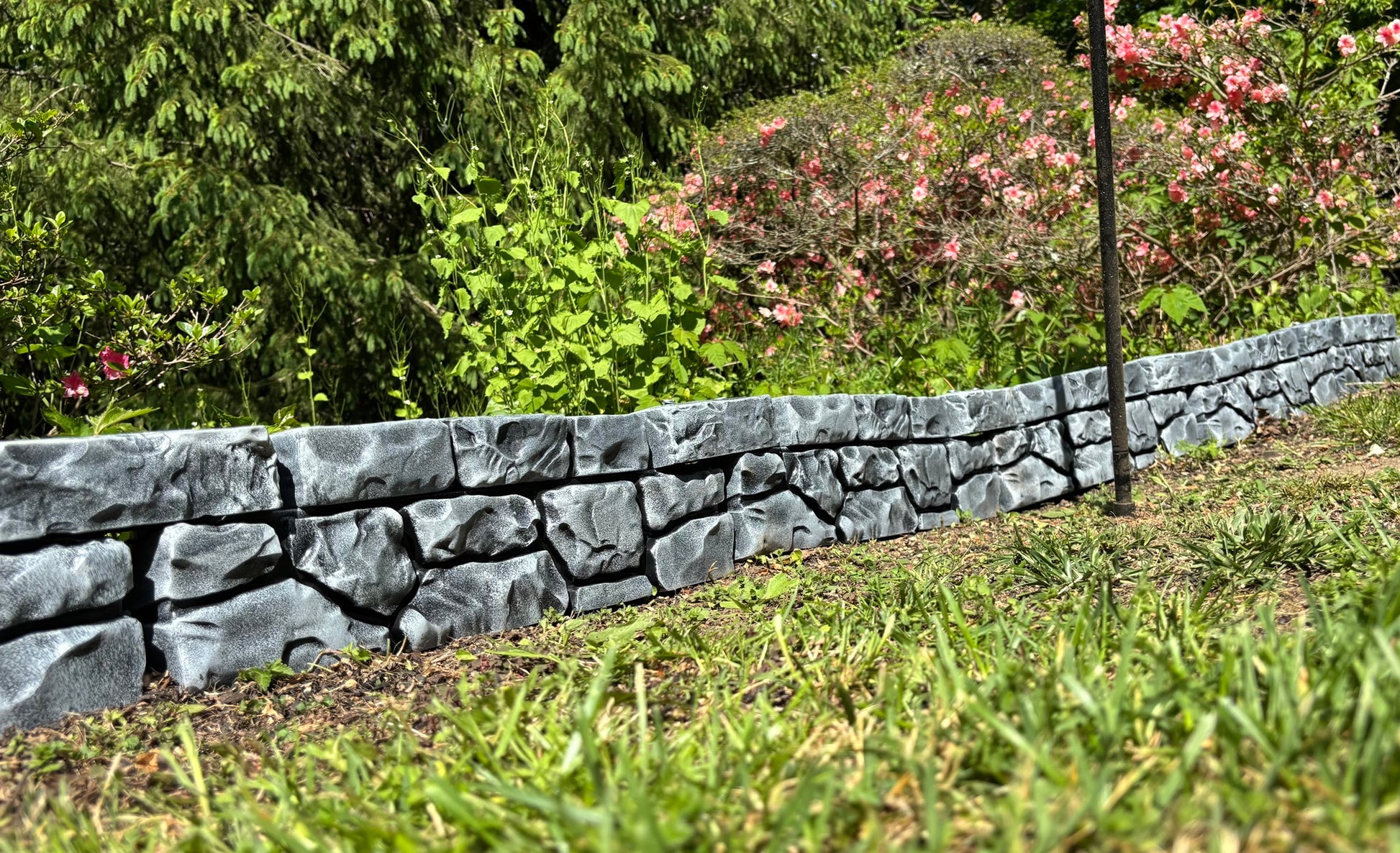
Edging creates clean lines between your lawn, flower beds, and walkways, giving your yard a manicured appearance. Use a half-moon edger or string trimmer to cut crisp borders, then install metal, plastic, or stone edging for longevity. This simple addition to your lawn and landscape prevents grass from encroaching into beds and makes mowing easier. Refresh edges seasonally to maintain that sharp, professional vibe without much hassle.
7. Use Mulch to Suppress Weeds and Retain Moisture
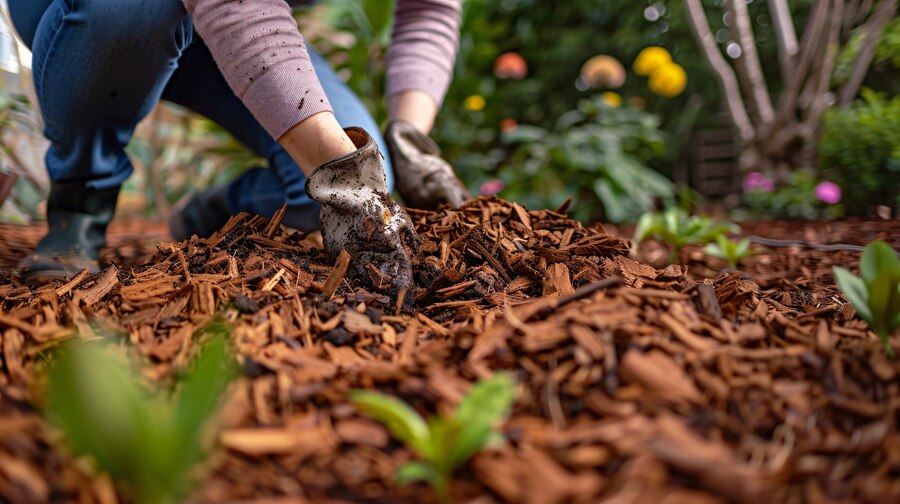
Mulching is a game-changer for lawn and landscape maintenance. Spread 2-3 inches of organic mulch like wood chips or bark around trees, shrubs, and beds to conserve soil moisture, regulate temperature, and inhibit weed growth. It also adds aesthetic appeal and decomposes to enrich the soil over time. Choose mulch that complements your yard’s style, and replenish annually for sustained benefits with little upkeep.
8. Incorporate Colorful Flower Beds
Adding vibrant flower beds elevates your lawn and landscape with seasonal pops of color. Select perennials like daylilies or coneflowers for low-maintenance blooms that return yearly. Group plants by height and color for visual interest, and space them properly to avoid overcrowding. This idea not only attracts pollinators but also creates focal points, making your yard feel alive and inviting throughout the growing season.
9. Plant and Prune Shrubs Strategically
Shrubs provide structure and privacy in your lawn and landscape design. Opt for low-growing varieties like boxwoods or junipers that require minimal pruning. Shape them in spring to encourage bushy growth, and remove dead branches as needed. Placing shrubs along borders or foundations softens harsh lines and adds year-round greenery, contributing to a balanced, easy-to-maintain yard.
.jpg)
10. Create Inviting Garden Pathways
Pathways guide visitors through your yard while protecting grass from foot traffic. Use stepping stones, gravel, or pavers to design meandering paths that connect key areas like patios or gardens. This lawn and landscape element adds functionality and charm, with low-maintenance materials that withstand weather. Line paths with low-growing plants for a natural border, enhancing accessibility and aesthetics.
11. Install Outdoor Lighting
Landscape lighting extends your yard’s usability into the evening and highlights features like trees or pathways. Use solar-powered LED lights for energy efficiency and easy installation—no wiring needed. Position uplights under shrubs or downlights on patios for ambiance and safety. This addition to your lawn and landscape boosts curb appeal at night with virtually no maintenance required.

12. Build a Functional Patio Area
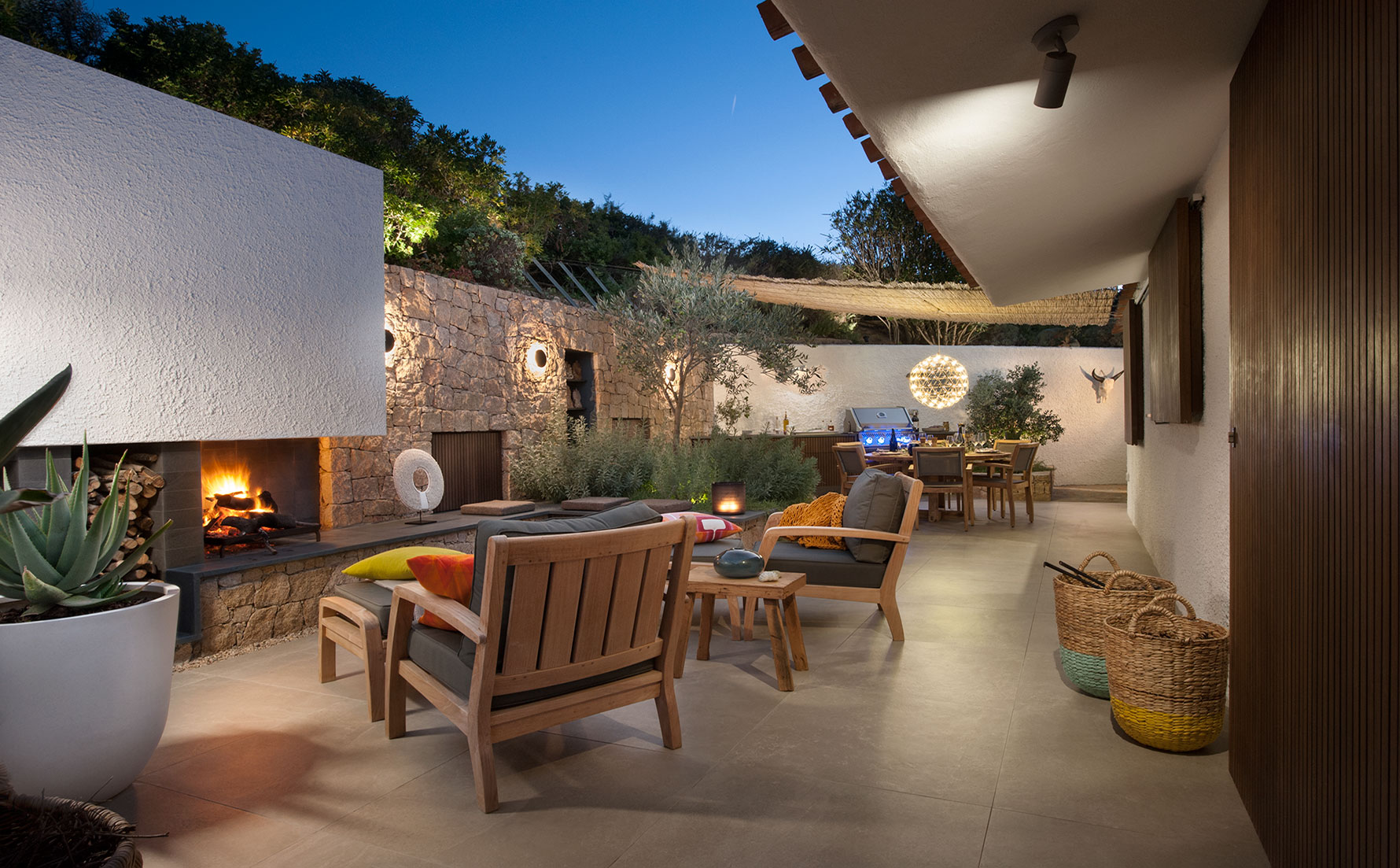
A patio serves as an outdoor living room, expanding your usable space. Choose durable materials like concrete pavers or flagstone for a low-maintenance surface. Surround it with potted plants or built-in benches for comfort. This lawn and landscape feature encourages relaxation and entertaining, providing a focal point that’s easy to clean and enjoy year-round.
13. Add a Water Feature for Tranquility
Incorporate a small fountain or pond to bring soothing sounds and visual interest to your yard. Self-contained units are simple to install and maintain, with pumps that recirculate water. Place it near seating areas for maximum enjoyment. This lawn and landscape element attracts wildlife and creates a serene oasis, requiring only occasional cleaning.
14. Opt for Native Plants
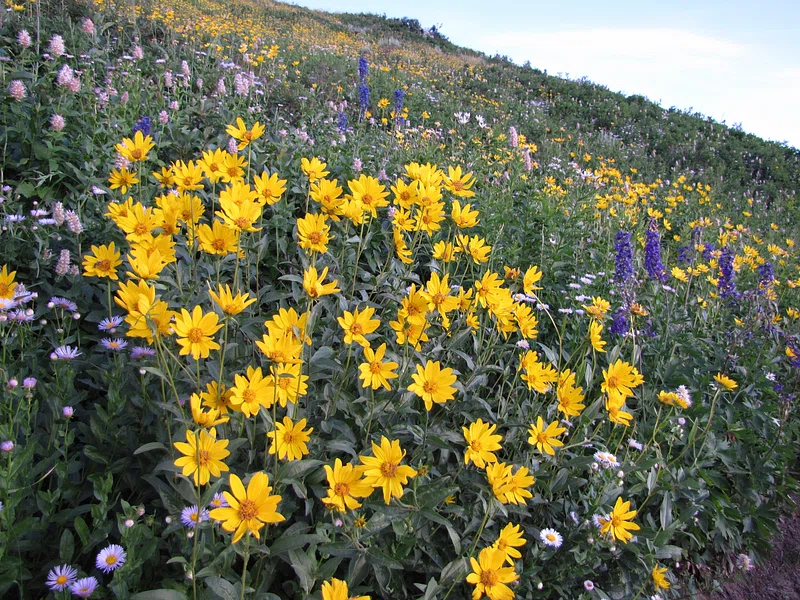
Native plants are adapted to your local climate, making them ideal for sustainable lawn and landscape designs. They require less water and fertilizer, supporting local ecosystems and pollinators. Mix natives like ornamental grasses with perennials for texture and color. This approach reduces maintenance while promoting biodiversity in your well-maintained yard.
15. Set Up a Composting System
Composting turns yard waste into nutrient-rich soil amendment, benefiting your lawn and landscape. Build or buy a bin and layer grass clippings, leaves, and kitchen scraps. Turn it occasionally for faster decomposition. Use the finished compost to enrich beds, improving soil structure and reducing the need for store-bought fertilizers.

16. Manage Pests Naturally
Integrated pest management keeps your yard healthy without harsh chemicals. Encourage beneficial insects by planting flowers, and use neem oil or insecticidal soaps for outbreaks. Regular inspections catch issues early. This lawn and landscape tactic maintains balance, protecting plants and promoting a thriving ecosystem with minimal intervention.

17. Follow Seasonal Maintenance Routines
Tailor your care to the seasons: overseed in fall, dethatch in spring, and protect against winter damage. Adjust watering and mowing based on weather. This proactive lawn and landscape strategy prevents problems and ensures year-round vitality, saving time and effort in the long run.

18. Integrate Hardscaping Elements
Hardscaping like retaining walls or rock gardens adds durability and reduces grassy areas. Use stones for borders or dry streams to manage water flow. These features require little upkeep and complement softscape elements, creating a balanced, low-maintenance lawn and landscape.
19. Adopt Eco-Friendly Practices
Go green with rain barrels, permeable pavers, and organic mulches to minimize environmental impact. These sustainable choices in your lawn and landscape conserve water, reduce erosion, and support wildlife. They also lower utility bills and maintenance needs, fostering a healthier planet and yard.
FAQs
How often should I mow my lawn for optimal health?
Mow when grass is about one-third taller than ideal height, typically every 5-7 days during peak growth. This promotes strong roots and a dense turf.
What are the benefits of using native plants in my landscape?
Native plants require less water and maintenance, attract local wildlife, and thrive in your region’s conditions, making them cost-effective and eco-friendly.
How can I reduce water usage in my yard?
Install drip irrigation, mulch beds, choose drought-tolerant plants, and water deeply but infrequently to conserve water while keeping your lawn and landscape healthy.
What’s the best way to deal with weeds without chemicals?
Manual pulling, mulching, and maintaining thick grass coverage naturally suppress weeds. Pre-emergent treatments can also prevent them from sprouting.
When is the ideal time to aerate my lawn?
Aerate in fall for cool-season grasses or spring for warm-season ones, when soil is moist but not wet, to maximize benefits.
Final Words
Transforming your yard with these 19 lawn and landscape ideas can lead to a space that’s not only beautiful but also sustainable and easy to maintain. By focusing on smart practices like proper watering, native planting, and hardscaping, you’ll enjoy a well-maintained yard that enhances your home’s value and your quality of life. Start small, implement a few ideas at a time, and watch your outdoor oasis flourish. Remember, consistency is key to long-term success in lawn and landscape care.


