

17 Cold Frame Gardening Ideas for Winter Vegetables
As the chill of winter sets in, many gardeners pack away their tools and bid farewell to fresh produce until spring. But with a cold frame, you can extend your growing season and enjoy homegrown vegetables even in the coldest months. A cold frame is essentially a simple, unheated mini-greenhouse—a bottomless box with a transparent lid that traps solar heat and protects plants from frost, wind, and snow. It’s an affordable way to create a microclimate that allows cold-tolerant crops to thrive, potentially adding weeks or even months to your harvest.
Cold frames have been used for centuries to nurture tender plants through harsh weather. They work by capturing daytime sunlight to warm the soil and air inside, while insulating against nighttime drops in temperature. This makes them ideal for winter vegetables like leafy greens and root crops that can withstand cooler conditions. According to gardening experts, using a cold frame can jump-start spring planting and extend fall harvests well into winter, providing fresh salads and sides when store-bought options feel lackluster.
Whether you’re a beginner or seasoned gardener, incorporating a cold frame into your setup opens up endless possibilities. From DIY builds using recycled materials to strategic planting techniques, these structures are versatile and low-maintenance. In this article, we’ll explore 17 practical cold frame gardening ideas tailored for winter vegetables. Each idea includes tips on implementation, suitable crops, and how to optimize for success. By the end, you’ll be equipped to turn your garden into a year-round bounty.
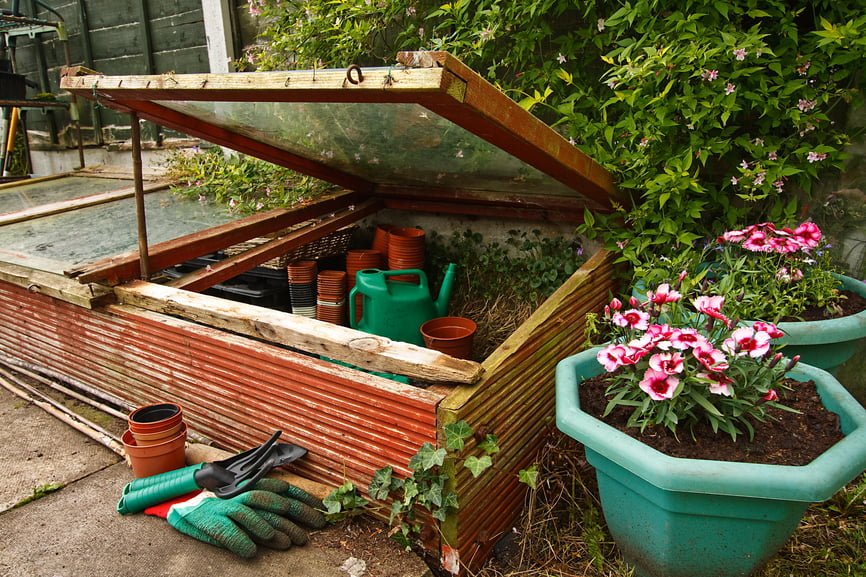
1. Build a Basic DIY Cold Frame from Old Windows
One of the simplest ways to start with cold frame gardening is by repurposing old windows for the lid. Gather wooden boards for the frame—aim for a rectangular box about 3×6 feet, with the back higher than the front for better sunlight capture. Attach hinges to the window for easy opening. This setup protects winter vegetables like spinach and lettuce from frost while allowing ventilation on milder days.
Place the cold frame over enriched soil, and plant seeds directly inside. In zones 5-7, this can yield fresh greens through January. For added insulation, bank soil or mulch around the base. This idea is budget-friendly and eco-conscious, turning waste into a productive garden tool.
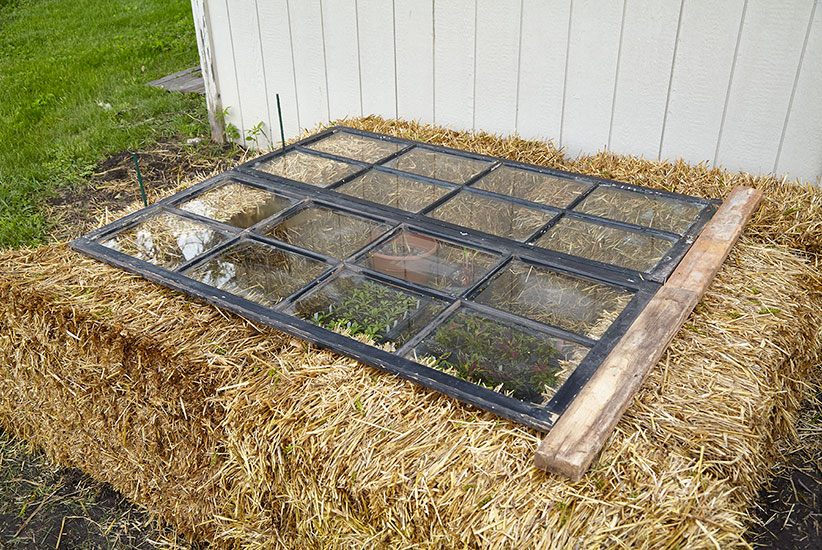
2. Create a Straw Bale Cold Frame for Insulation
Straw bales offer excellent natural insulation for cold frame gardening in harsher climates. Stack bales to form three walls, leaving the south side open, and top with a clear plastic sheet or old storm window. This design retains heat from decomposing straw, warming the soil for root vegetables like carrots and beets.
Sow seeds in late fall, and the bales will help maintain temperatures 10-15 degrees warmer than outside. It’s perfect for overwintering crops and easy to disassemble in spring. Add a layer of compost inside for nutrient boost, ensuring your winter vegetables stay productive even in snow.
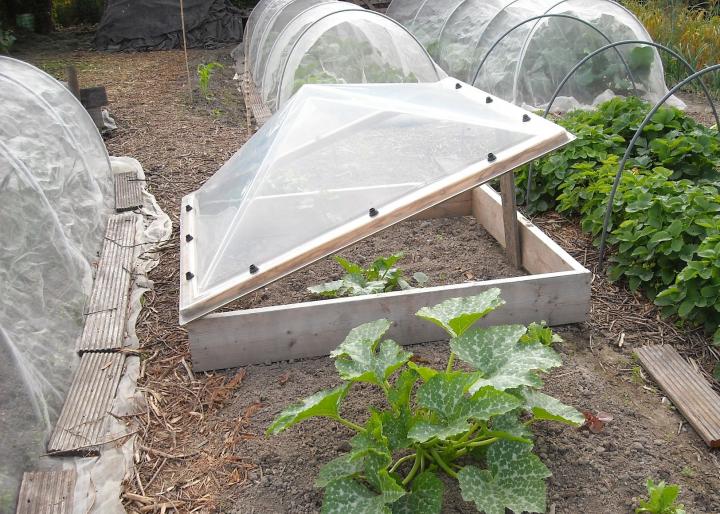
3. Use Polycarbonate Sheets for a Durable Cold Frame
For a more modern take on cold frame gardening, opt for polycarbonate sheets instead of glass. These lightweight, shatter-resistant panels provide superior insulation and UV protection. Build a frame from treated lumber, sloping the top for rainwater runoff, and secure the sheets with screws.
This setup is ideal for growing arugula and kale through winter, as it diffuses light evenly and prevents overheating. In Utah-like climates, succession planting winter lettuces here can yield continuous harvests. Monitor for condensation and vent as needed to avoid mold.

4. Position Your Cold Frame for Maximum Sun Exposure
Location is key in cold frame gardening. Place it facing south to capture the low winter sun, ideally against a wall or fence for wind protection. This maximizes solar gain, keeping soil warmer for vegetables like scallions and mustard greens.
In mid-Atlantic zones, this can enable year-round growth of cold-hardy greens. Avoid shady spots, and tilt the frame slightly for optimal angle. This simple idea enhances efficiency without extra costs.

5. Prepare Nutrient-Rich Soil for Winter Planting
Before planting in your cold frame, amend the soil with compost and organic matter to support winter vegetables. A mix of loamy soil with added manure retains moisture and provides slow-release nutrients for crops like bok choy and endive.
This foundation ensures roots develop strongly despite shorter days. Test pH to keep it neutral, and mulch to suppress weeds. In cold frames, enriched soil can double yields of leafy greens through the season.
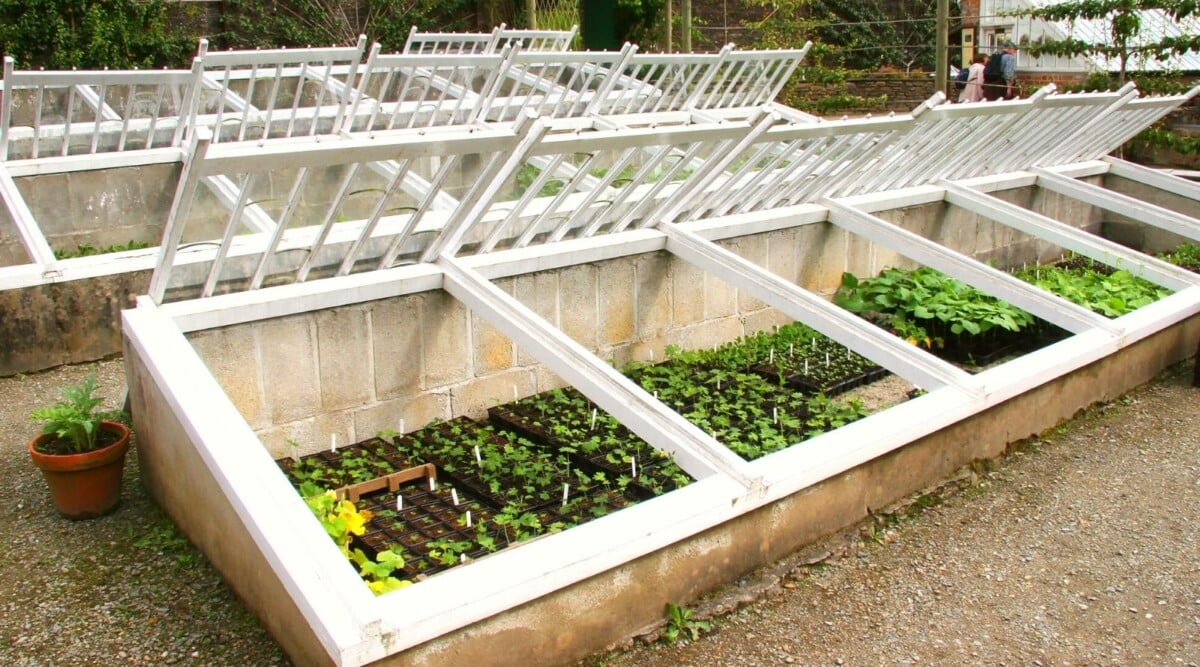
6. Select Cold-Hardy Vegetables for Success
Focus on resilient varieties in cold frame gardening. Choose seeds for kale, spinach, and Swiss chard that tolerate frost down to 20°F. These thrive in the protected environment, providing vitamins when fresh produce is scarce.
Plant in fall for winter harvest, rotating crops to prevent disease. This idea emphasizes variety, from Asian greens like mizuna to root staples, ensuring a balanced diet.
7. Grow Lettuce Varieties for Continuous Salads
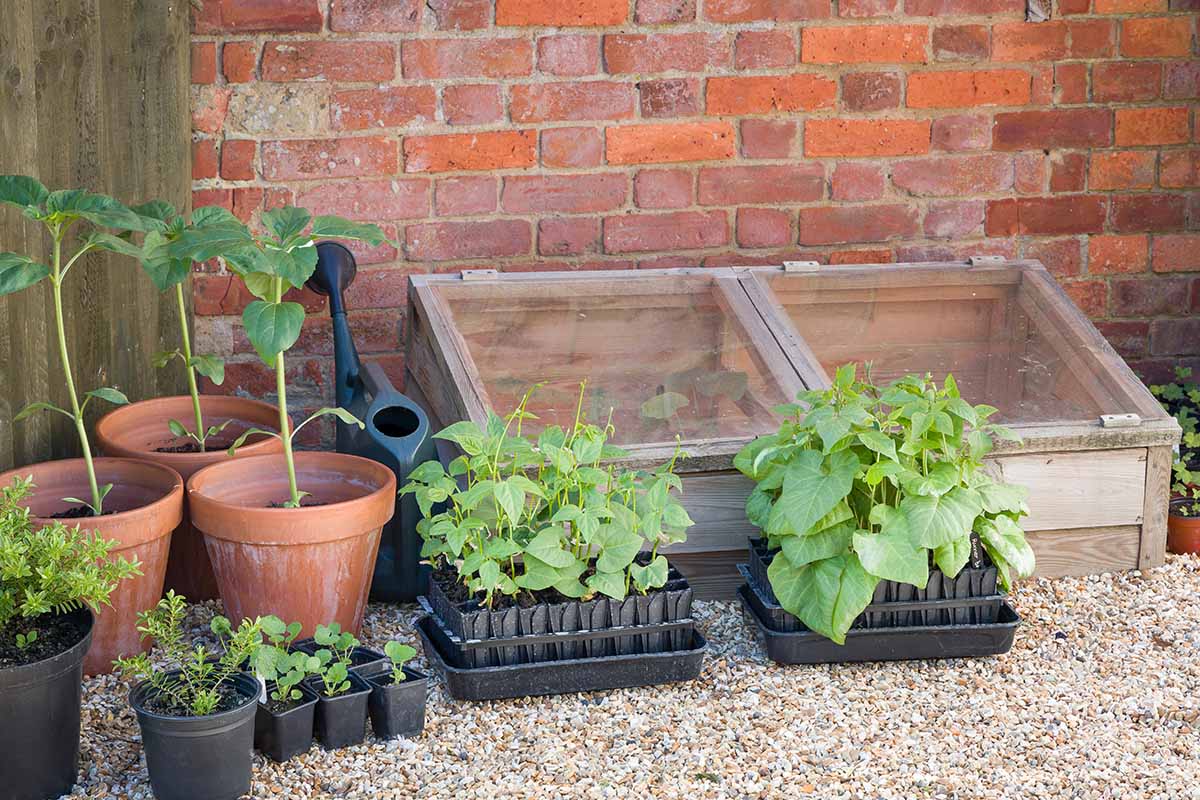
Lettuce is a star in winter cold frame gardening. Opt for hardy types like romaine or butterhead, sowing in staggered rows for ongoing supply. The frame’s warmth accelerates growth, allowing harvests every few weeks.
Protect from slugs with barriers, and water sparingly to avoid rot. This yields crisp salads in January, a delight for home cooks.

8. Cultivate Spinach for Nutrient-Packed Greens
Spinach excels in cold frames, yielding all winter with minimal care. Plant dense rows of varieties like ‘Bloomsdale’ for repeated cuttings. The enclosed space shields from harsh weather, promoting lush leaves rich in iron.
Harvest outer leaves to encourage regrowth, and fertilize lightly. Ideal for zones with mild winters, this idea keeps your kitchen stocked.
9. Plant Kale for Versatile Winter Harvests
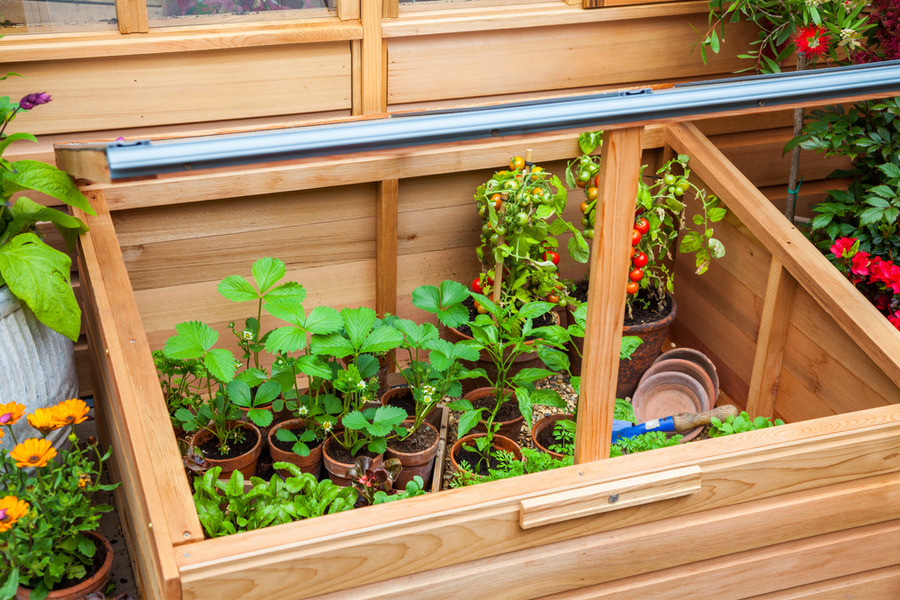
Kale’s cold tolerance makes it perfect for frame gardening. Varieties like ‘Lacinato’ withstand snow, sweetening after frost. Use the frame to start seedlings early or overwinter mature plants.
This provides kale chips, soups, and salads through winter. Companion plant with herbs for pest deterrence.
10. Raise Carrots in Your Cold Frame
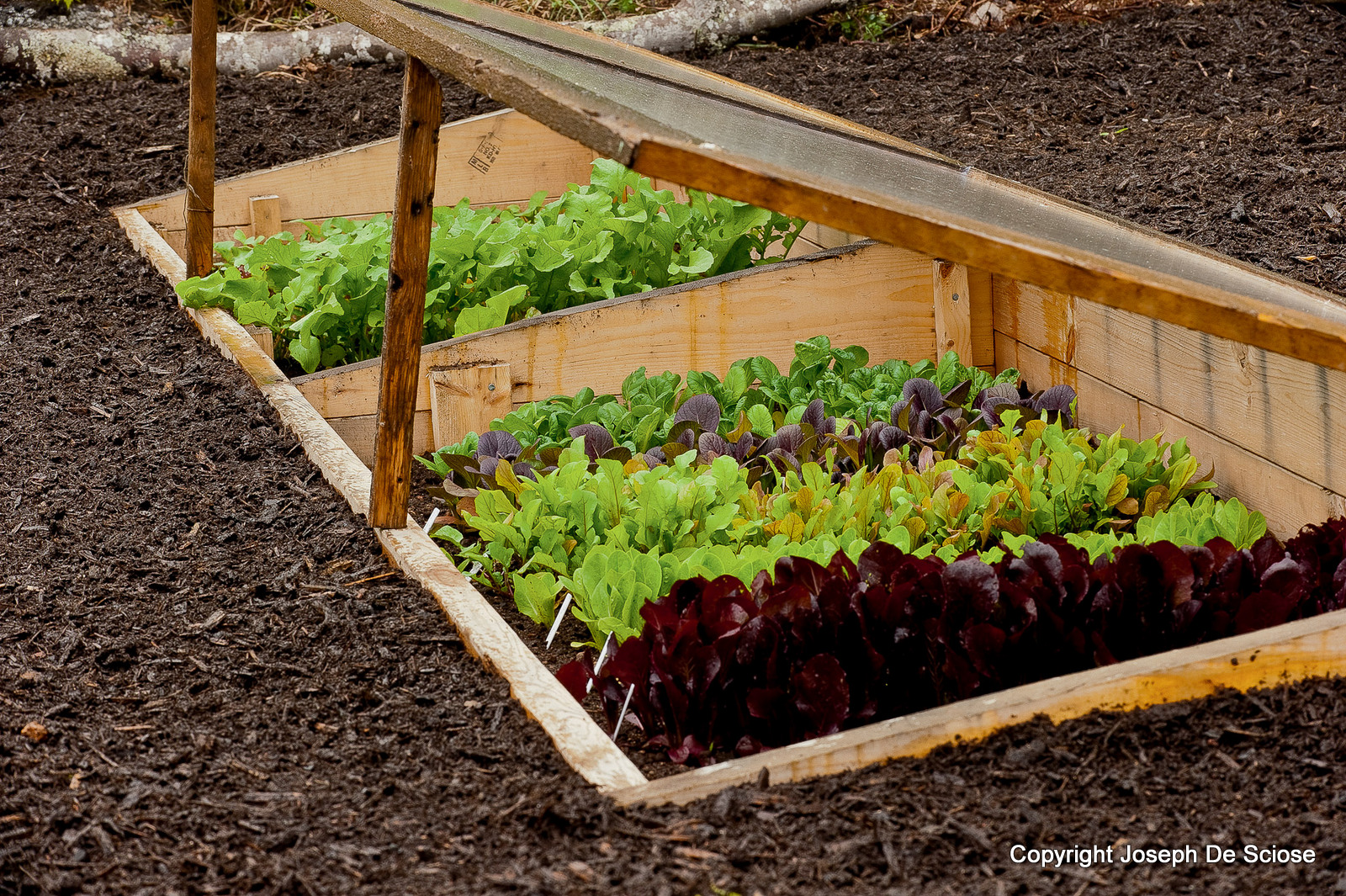
Root crops like carrots flourish in cold frames, where soil stays workable. Sow in loose soil for straight roots, thinning to 2 inches apart. Harvest as needed, even under snow.
This idea extends availability of sweet, crisp carrots into winter, great for soups.

11. Grow Beets for Colorful Winter Roots
Beets add vibrancy to cold frame gardening. Plant in fall for small, tender roots by mid-winter. The frame protects from freezes, allowing dual harvest of roots and greens.
Choose bolt-resistant varieties for reliability.
12. Include Radishes for Quick Wins
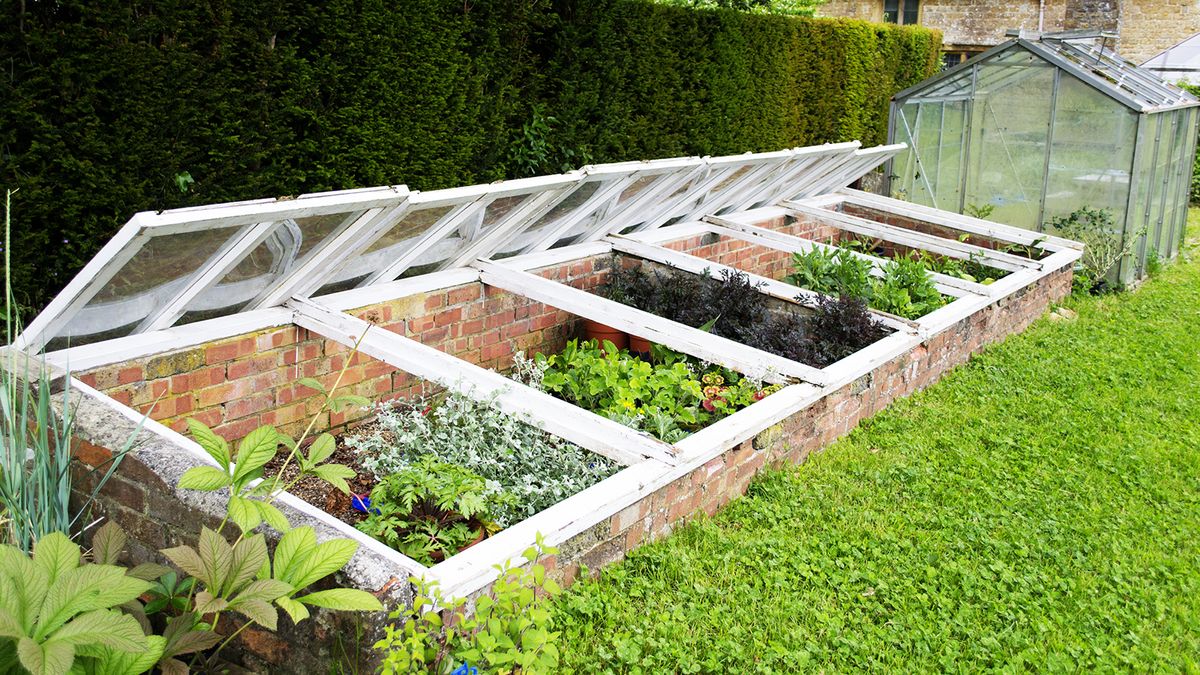
Radishes mature fast in cold frames, ready in 3-4 weeks. Their peppery bite complements winter meals. Succession plant every two weeks for steady supply.
This low-effort idea boosts confidence for new gardeners.

13. Implement Succession Planting Techniques
Succession planting maximizes cold frame space. Stagger sowings of arugula and mustard every 2-3 weeks to ensure continuous harvest. Remove spent plants promptly.
This keeps production high through winter.
14. Master Ventilation to Prevent Overheating
Proper ventilation is crucial in cold frame gardening. Prop open the lid on sunny days above 40°F to avoid cooking plants. Automatic vents can help.
This prevents fungal issues in humid conditions.
15. Add Extra Insulation for Extreme Cold
For sub-zero temps, insulate your cold frame with bubble wrap or blankets at night. Bank snow around the sides for natural protection.
This safeguards delicate winter vegetables like endive.
16. Control Pests Naturally in Enclosed Spaces
Pests like aphids can invade cold frames. Use neem oil or introduce ladybugs. Keep the area clean to deter slugs.
This ensures healthy growth of your crops.
17. Harvest Strategically for Prolonged Yields
Harvest outer leaves or smaller roots first to extend productivity. In cold frames, this encourages regrowth in greens like chard.
Time pickings for peak flavor after light frosts.
FAQs
What is a cold frame and how does it work?
A cold frame is a transparent-roofed enclosure that uses solar energy to warm plants, creating a protected microclimate for winter vegetables.
Can I build a cold frame myself?
Yes, many DIY options use recycled materials like windows or bales, making it accessible for beginners.
What vegetables grow best in a cold frame during winter?
Leafy greens like spinach, kale, and lettuce, plus roots like carrots and beets, are ideal due to their cold tolerance.
How do I ventilate a cold frame?
Open the lid on warm days to release excess heat and moisture, preventing diseases.
Do cold frames need watering in winter?
Less frequently, as soil retains moisture; check weekly and water sparingly.
Can cold frames be used year-round?
Absolutely—they’re great for starting seeds in spring and protecting heat-lovers in summer.
What if my cold frame gets too cold?
Add insulation like row covers or heat mats for extra protection in severe weather.
Final Words
Embracing cold frame gardening transforms winter from a dormant season into one of abundance. With these 17 ideas, from building basics to advanced techniques, you can cultivate fresh vegetables that nourish body and soul. Remember, success lies in observation—monitor your frame, adjust as needed, and experiment with varieties. Not only does this reduce grocery bills, but it also connects you deeper to nature’s cycles. Start small, perhaps with a single frame, and watch your garden thrive.


