

16 Tips for Growing Chinese Cabbage Successfully
Chinese cabbage, also known as napa cabbage or bok choy in some varieties, is a versatile leafy green that’s a staple in many Asian cuisines and increasingly popular in home gardens worldwide. This cool-season crop belongs to the Brassica family, alongside broccoli and kale, and offers a crisp texture with a mild, slightly sweet flavor perfect for salads, stir-fries, kimchi, and soups. Growing Chinese cabbage can be rewarding, providing fresh, nutrient-rich produce packed with vitamins A, C, and K, as well as fiber and antioxidants. However, success hinges on understanding its specific needs, such as cool temperatures, consistent moisture, and protection from pests.
Whether you’re a beginner gardener in city or an experienced one, cultivating Chinese cabbage requires attention to detail to avoid common pitfalls like bolting or pest damage. In this comprehensive guide, we’ll explore 16 essential tips to help you grow healthy, bountiful plants. These strategies draw from proven horticultural practices, ensuring your Chinese cabbage thrives from seed to harvest.
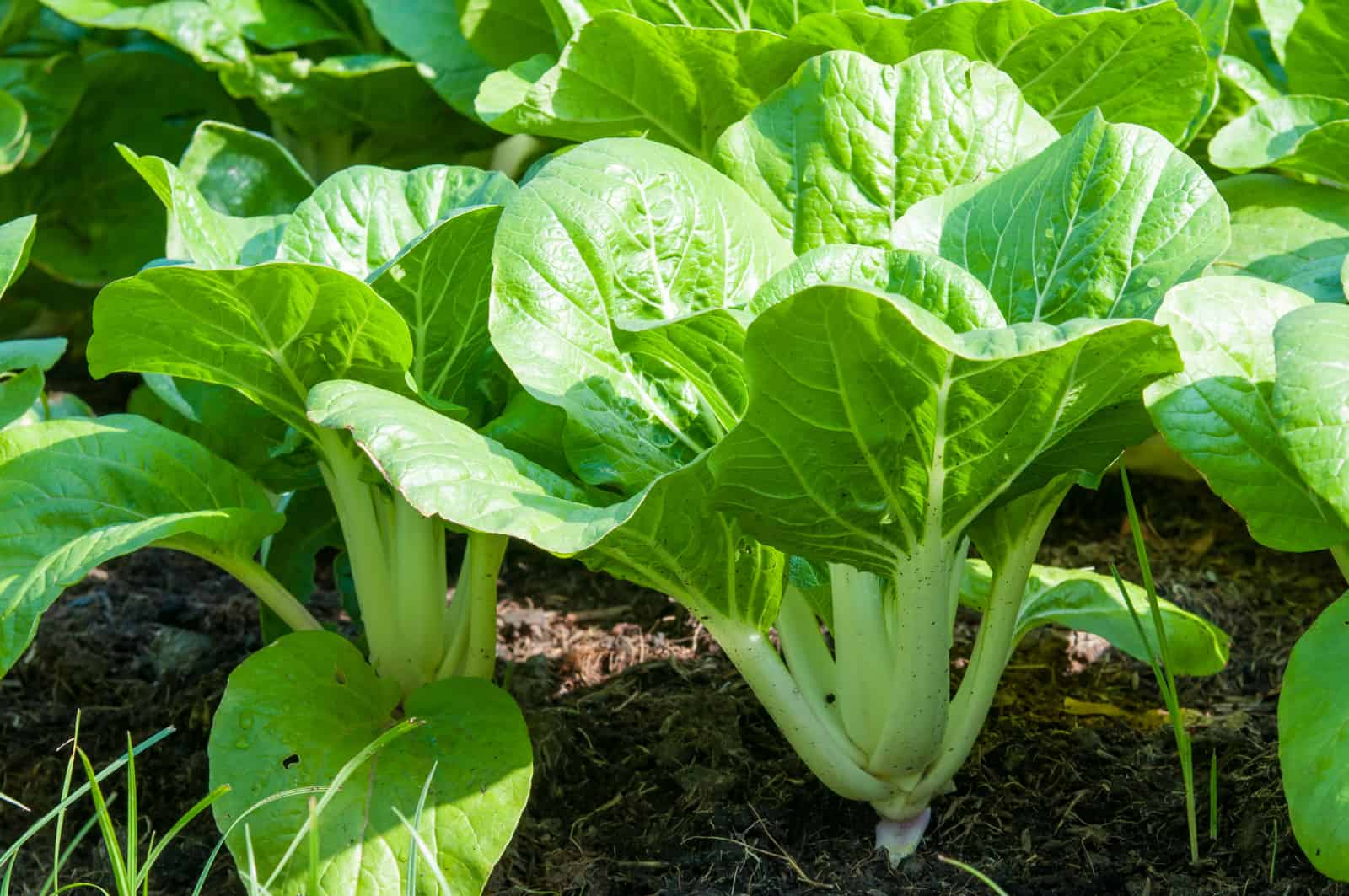
Tip 1: Select the Right Variety for Your Climate
Choosing the appropriate variety is crucial for successful Chinese cabbage growth, especially in varying climates like Pakistan’s diverse regions. Popular types include heading varieties like ‘Michihili’ for tall, cylindrical heads ideal for kimchi, or non-heading ones like ‘Baby Bok Choy’ for quicker harvests. In warmer areas such as Karachi, opt for heat-tolerant hybrids like ‘Blues’ to minimize bolting risks. Consider maturity time—early varieties mature in 45-60 days, while late ones take 70-90 days. Research seed catalogs or local nurseries for disease-resistant options, as Chinese cabbage is prone to issues like clubroot. By matching the variety to your local conditions, you’ll set a strong foundation, ensuring robust plants that yield high-quality heads.
Tip 2: Prepare Nutrient-Rich Soil
Chinese cabbage demands fertile, well-drained soil to flourish. Aim for a pH between 6.0 and 7.5; test your soil and amend with lime if it’s too acidic to prevent clubroot disease. Incorporate plenty of organic matter, such as compost or well-rotted manure, to enhance moisture retention and nutrient availability. Work in a 3-inch layer of compost before planting to boost soil structure. Avoid heavy clay soils that can lead to waterlogging, which stresses roots and invites rot. In Sindh’s sandy soils, adding organic amendments helps retain water. Proper soil preparation ensures steady nutrient uptake, promoting the crisp, tender leaves that make Chinese cabbage so desirable in the kitchen.
Tip 3: Time Your Planting Perfectly
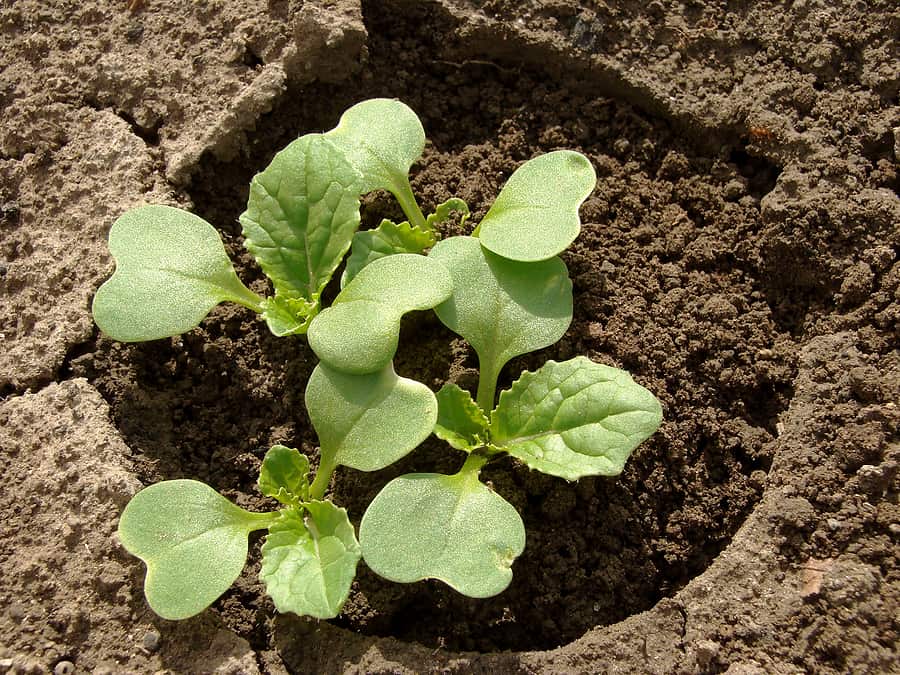
Timing is everything when growing Chinese cabbage to avoid bolting caused by heat stress. In cooler climates, sow seeds in early spring after the last frost, but in warmer regions like Pakistan, late summer or early fall planting (July to August) is ideal for a fall harvest. This allows plants to mature in temperatures between 50-80°F (10-27°C), where they perform best. Direct sow seeds ¼ inch deep or start indoors 4-6 weeks before transplanting. For continuous supply, succession plant every 2-3 weeks. Monitoring local weather patterns ensures your Chinese cabbage develops firm heads without prematurely flowering, leading to better yields.
Tip 4: Start Seeds Indoors for Stronger Plants
For a head start, germinate Chinese cabbage seeds indoors in trays filled with seed-starting mix. Maintain temperatures around 70°F (21°C) for quick sprouting, usually within 4-7 days. Provide ample light with grow lamps to prevent leggy seedlings. Transplant outdoors when seedlings have 3-4 true leaves, hardening them off first by exposing them to outdoor conditions gradually. This method protects young plants from early pests and erratic weather. In urban settings like Karachi, indoor starting maximizes limited space, resulting in healthier transplants that establish quickly and produce superior Chinese cabbage crops.
Tip 5: Space Plants Adequately
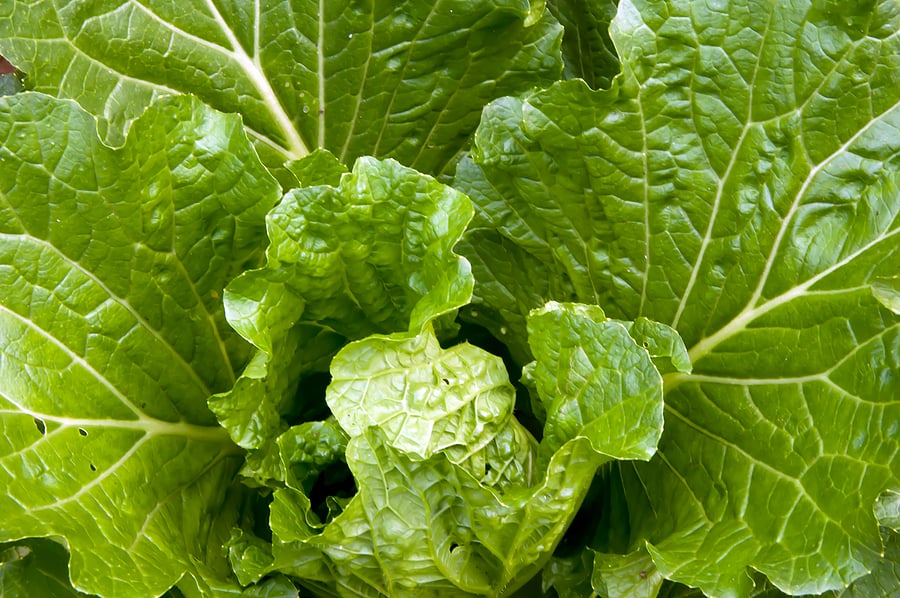
Proper spacing prevents overcrowding and promotes air circulation, reducing disease risks in Chinese cabbage. Plant seeds or transplants 12-18 inches apart in rows spaced 24-36 inches. For compact varieties like baby bok choy, 8-12 inches suffices. In raised beds, this optimizes space while allowing roots to expand. Overcrowding leads to smaller heads and increased competition for nutrients. Mark rows clearly and thin seedlings to the recommended distance once they emerge. Adequate spacing ensures each Chinese cabbage plant receives sufficient sunlight and resources, yielding larger, more uniform heads ready for your table.
Tip 6: Provide Optimal Sunlight
Chinese cabbage thrives with 6-8 hours of direct sunlight daily, though partial shade in hot afternoons prevents bolting in warmer climates. Full sun encourages compact growth and sweet flavor, but excessive heat above 85°F (29°C) can stress plants. In sunny Pakistani gardens, use shade cloth during peak summer to moderate exposure. Position beds to capture morning sun, avoiding afternoon scorch. Monitoring light levels helps maintain the balance needed for photosynthesis, ensuring your Chinese cabbage develops vibrant, healthy leaves without bitterness.
Tip 7: Water Consistently and Deeply
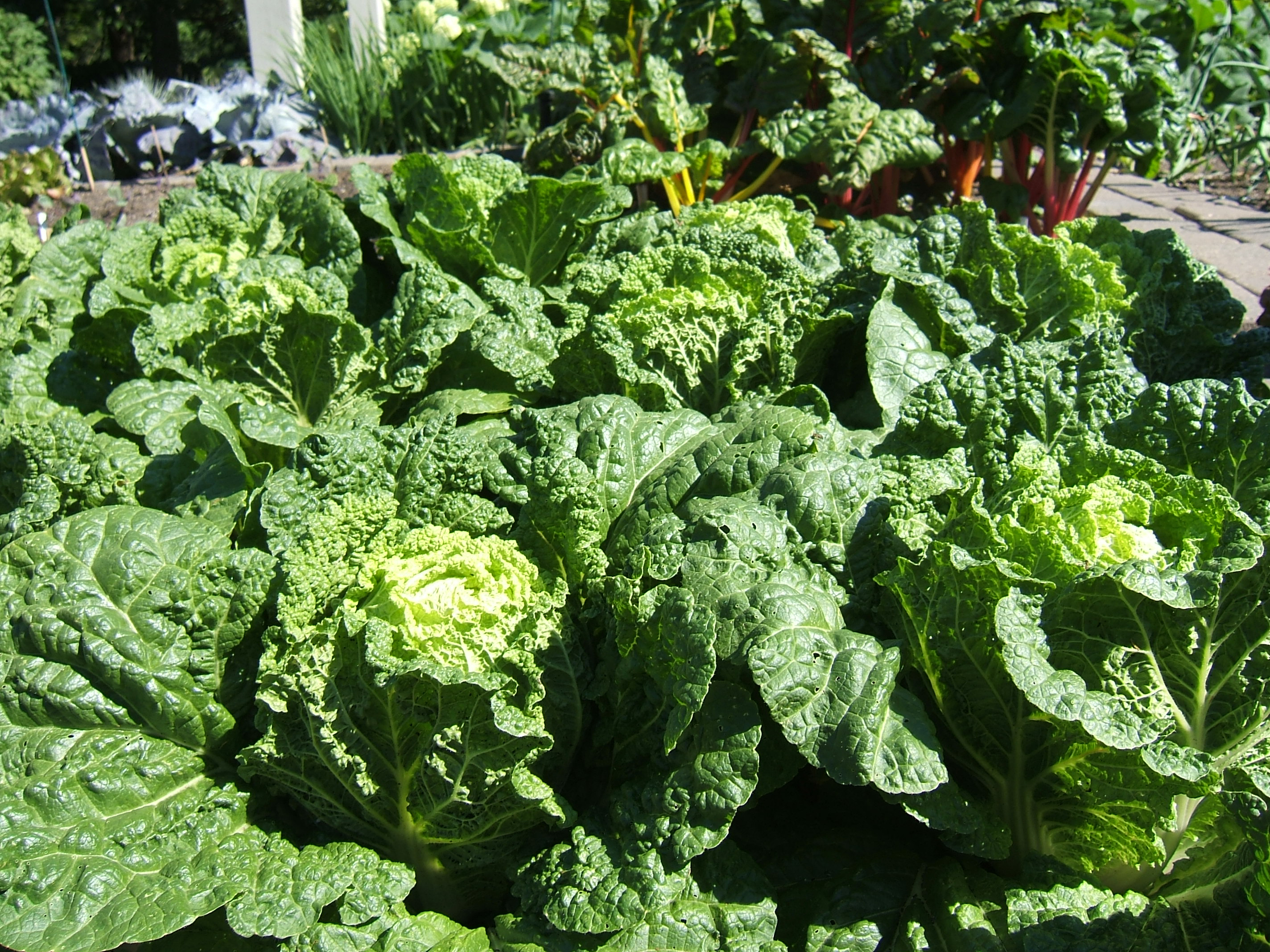
Consistent moisture is key to preventing cracking and bolting in Chinese cabbage. Water deeply once or twice weekly, aiming for 1-2 inches per week, depending on rainfall. Use drip irrigation to deliver water directly to roots, minimizing leaf wetness that invites diseases. Mulch around plants to retain soil moisture and suppress weeds. In dry spells, check soil depth—keep it evenly moist but not waterlogged. Proper watering supports steady growth, resulting in tender, juicy Chinese cabbage heads that are a delight in fresh salads or cooked dishes.
Tip 8: Fertilize Appropriately
Feed Chinese cabbage with a balanced fertilizer to fuel its rapid growth. Apply a nitrogen-rich option like blood meal at planting, then side-dress with compost tea every 3-4 weeks. Avoid over-fertilizing, which can cause lush foliage at the expense of heads. Organic options like fish emulsion provide slow-release nutrients. Test soil for deficiencies and adjust accordingly. Regular feeding ensures nutrient-dense soil, leading to robust Chinese cabbage plants with high yields and enhanced flavor profiles.
Tip 9: Mulch to Conserve Moisture
Mulching is a simple yet effective way to support Chinese cabbage growth. Apply a 2-3 inch layer of organic mulch like straw or leaves around plants to retain soil moisture, regulate temperature, and suppress weeds. This reduces evaporation in hot climates and prevents soil splash that spreads diseases. Mulch also adds nutrients as it decomposes. Refresh as needed throughout the season. By mulching, you’ll create a stable environment for roots, promoting healthier Chinese cabbage with fewer maintenance demands.
Tip 10: Protect from Pests Naturally
Pests like flea beetles, slugs, and cabbage worms can devastate Chinese cabbage. Use floating row covers or mesh netting to physically block insects. Introduce beneficial predators like ladybugs or apply neem oil sprays for organic control. Inspect plants regularly and hand-pick pests. Companion planting with marigolds deters aphids. In pest-prone areas, early intervention prevents holes and stunted growth, ensuring your Chinese cabbage remains pristine and productive.
Tip 11: Prevent Common Diseases
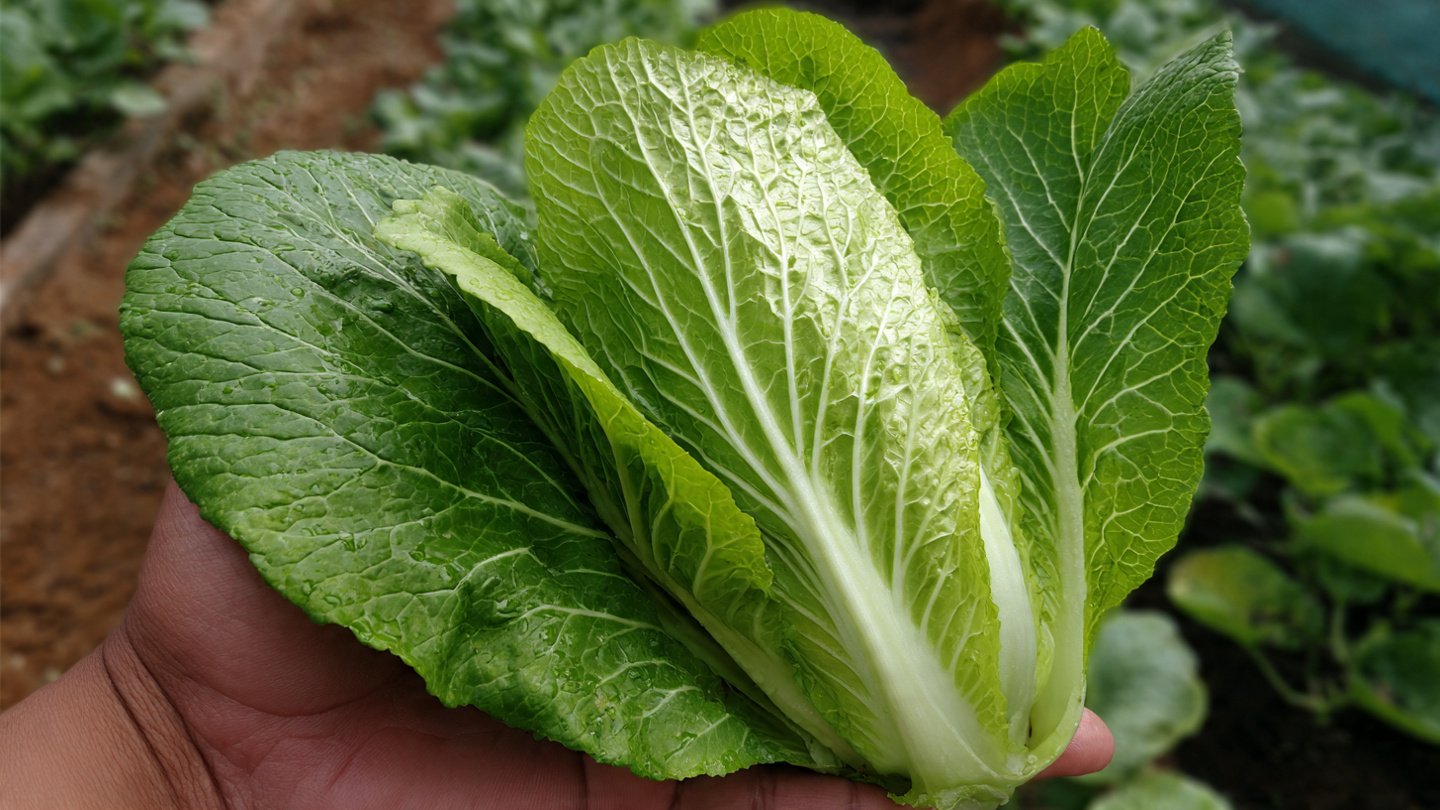
Disease prevention starts with crop rotation—avoid planting Chinese cabbage where brassicas grew in the last 4 years to dodge clubroot and black rot. Ensure good air circulation and avoid overhead watering to minimize fungal issues like downy mildew. Choose resistant varieties and sanitize tools. If symptoms appear, remove affected plants promptly. Healthy practices like these safeguard your Chinese cabbage crop, leading to disease-free harvests.
Tip 12: Practice Crop Rotation
Rotating crops is essential for soil health and pest management in Chinese cabbage cultivation. Alternate with non-brassica plants like legumes or tomatoes to break disease cycles and replenish nutrients. Plan a 3-4 year rotation schedule. This prevents nutrient depletion and reduces pathogen buildup. Effective rotation enhances overall garden vitality, supporting sustained success with Chinese cabbage over multiple seasons.
Tip 13: Use Companion Planting
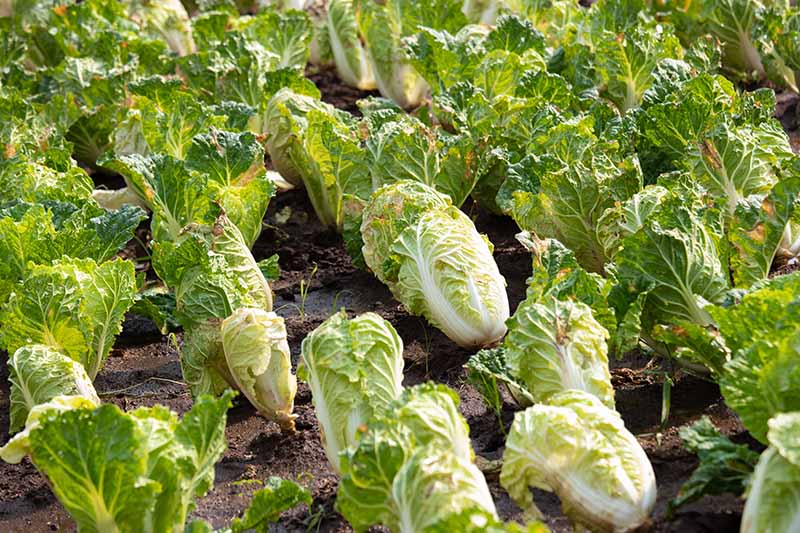
Companion planting boosts Chinese cabbage growth by pairing it with beneficial plants. Grow alongside herbs like dill or mint to repel pests, or alliums like onions to deter cabbage loopers. Avoid tomatoes or strawberries, which compete for resources. This natural synergy improves biodiversity, reducing chemical needs and enhancing yields. Strategic companions create a harmonious garden ecosystem for thriving Chinese cabbage.
Tip 14: Thin Seedlings Promptly
Thinning overcrowded seedlings is vital for strong Chinese cabbage development. Once sprouts reach 2-3 inches, thin to the recommended spacing, selecting the healthiest ones. This allows ample room for root and leaf expansion. Use scissors to avoid disturbing roots. Thinning prevents weak, leggy plants and promotes uniform growth, resulting in larger, more flavorful heads.
Tip 15: Harvest at the Peak of Maturity
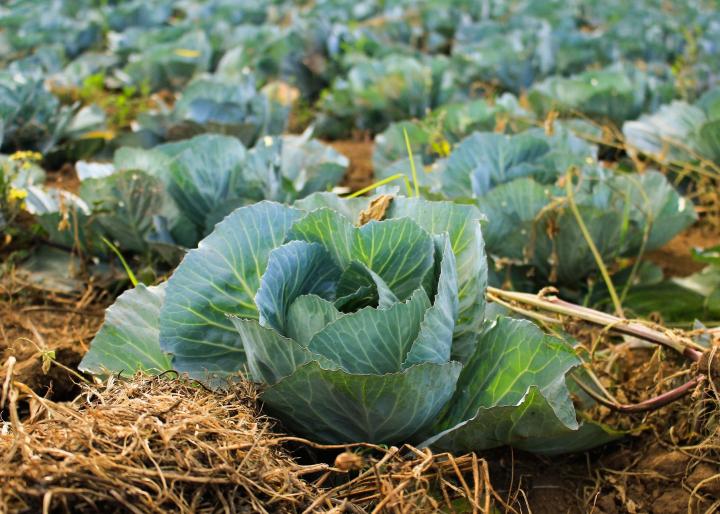
Harvest Chinese cabbage when heads are firm and full-sized, typically 50-70 days after planting. Cut at the base with a sharp knife, leaving outer leaves if desired for regrowth in some varieties. Morning harvests preserve crispness. Prompt picking prevents splitting or bitterness. Enjoy fresh or store in cool conditions. Timely harvesting maximizes the nutritional value and taste of your homegrown Chinese cabbage.
Tip 16: Store and Preserve Properly
After harvest, store Chinese cabbage in the refrigerator’s crisper drawer for up to two weeks, wrapped in damp paper towels to maintain humidity. For longer preservation, ferment into kimchi or blanch and freeze. Avoid washing until use to prevent spoilage. Proper storage extends the usability of your crop, allowing you to savor the fruits of your labor year-round.
FAQs
What is the best time to plant Chinese cabbage in Pakistan? In regions like Karachi, plant in late summer (July-August) for a fall harvest to avoid heat-induced bolting. For cooler northern areas, early spring works well after frost danger passes.
Why does my Chinese cabbage bolt prematurely? Bolting often results from temperature fluctuations, especially heat above 80°F, or stress from inconsistent watering. Choose bolt-resistant varieties and provide shade during hot spells.
How do I deal with pests on Chinese cabbage? Use row covers for physical barriers, neem oil for organic sprays, and encourage natural predators. Regular inspections and companion planting with aromatic herbs can also help.
Can Chinese cabbage be grown in containers? Yes, use large pots (at least 12 inches deep) with well-draining soil. Ensure consistent moisture and partial shade in hot climates for successful container growth.
What nutrients does Chinese cabbage need most? It requires nitrogen for leafy growth, plus balanced phosphorus and potassium. Amend with compost and use organic fertilizers to meet these needs without overfeeding.
:max_bytes(150000):strip_icc()/how-to-grow-bok-choy-4125560-07-432d0d29a9264d90ae1e9f34ed5fd7ec.jpg)
Final Words
Growing Chinese cabbage successfully is a blend of science, patience, and practical know-how. By following these 16 tips, from soil preparation to harvest, you’ll cultivate a thriving crop that enhances your meals and garden. Remember, consistency in care—water, nutrients, and protection—is the secret to avoiding common issues. Whether for fresh eating or preserving, homegrown Chinese cabbage offers unmatched freshness and satisfaction. Start small, learn from each season, and soon you’ll enjoy bountiful harvests. Happy gardening!


