

15 Ways to Grow Chard Successfully at Home
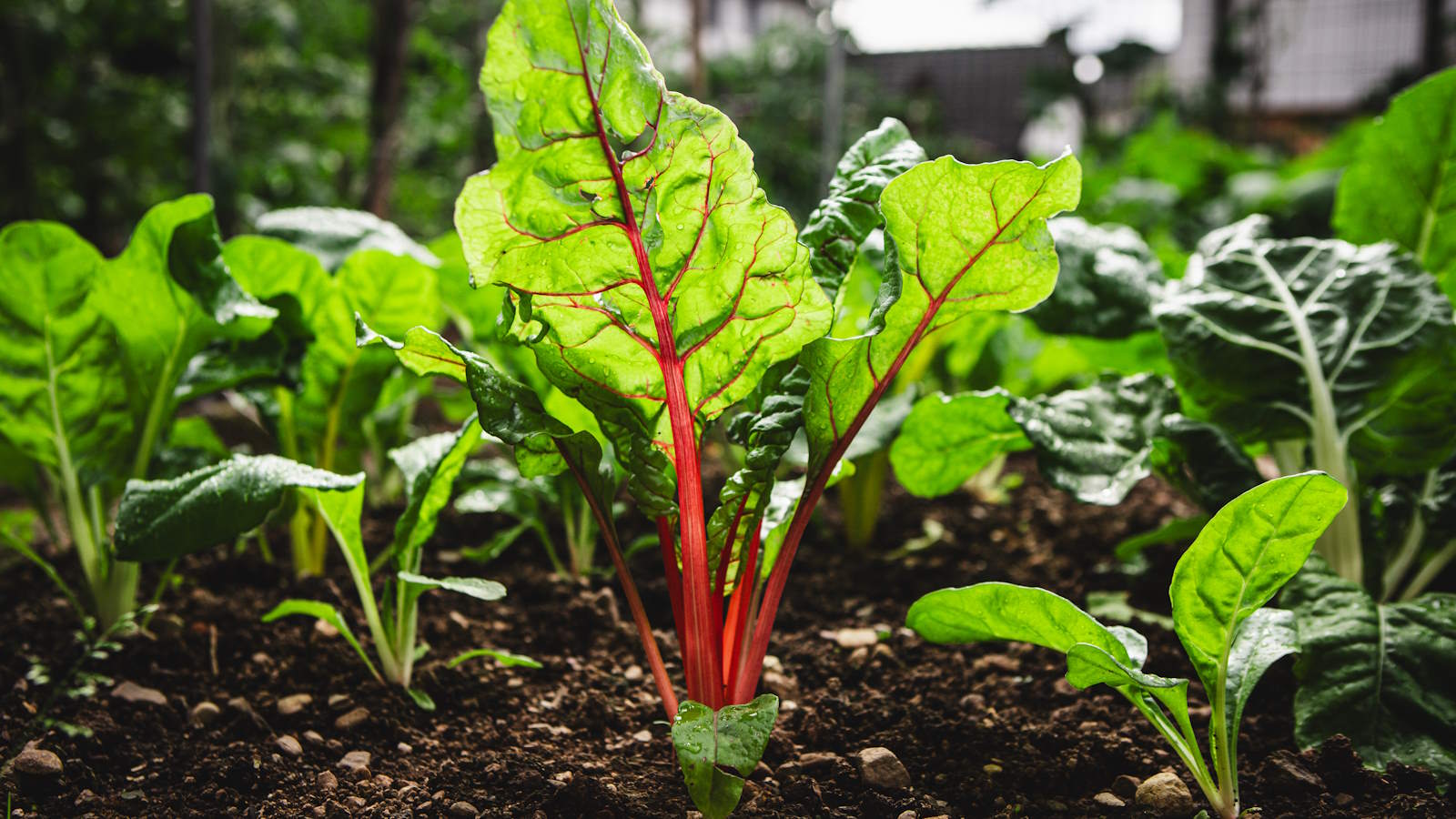
Chard, often known as Swiss chard, is a versatile and nutritious leafy green that’s perfect for home gardeners looking to add color and flavor to their vegetable patches. This hardy plant belongs to the beet family and comes in vibrant varieties with stems ranging from bright red to golden yellow, making it not only edible but also ornamental. Growing chard at home allows you to enjoy fresh, organic produce packed with vitamins A, C, and K, as well as minerals like iron and magnesium. Unlike more finicky greens, chard thrives in a variety of conditions, tolerating both cool and warmer weather, which makes it an ideal choice for beginners and seasoned gardeners alike. Whether you’re planting in garden beds, containers, or raised plots, following these proven methods will help you cultivate bountiful harvests.
1. Select the Ideal Variety of Chard
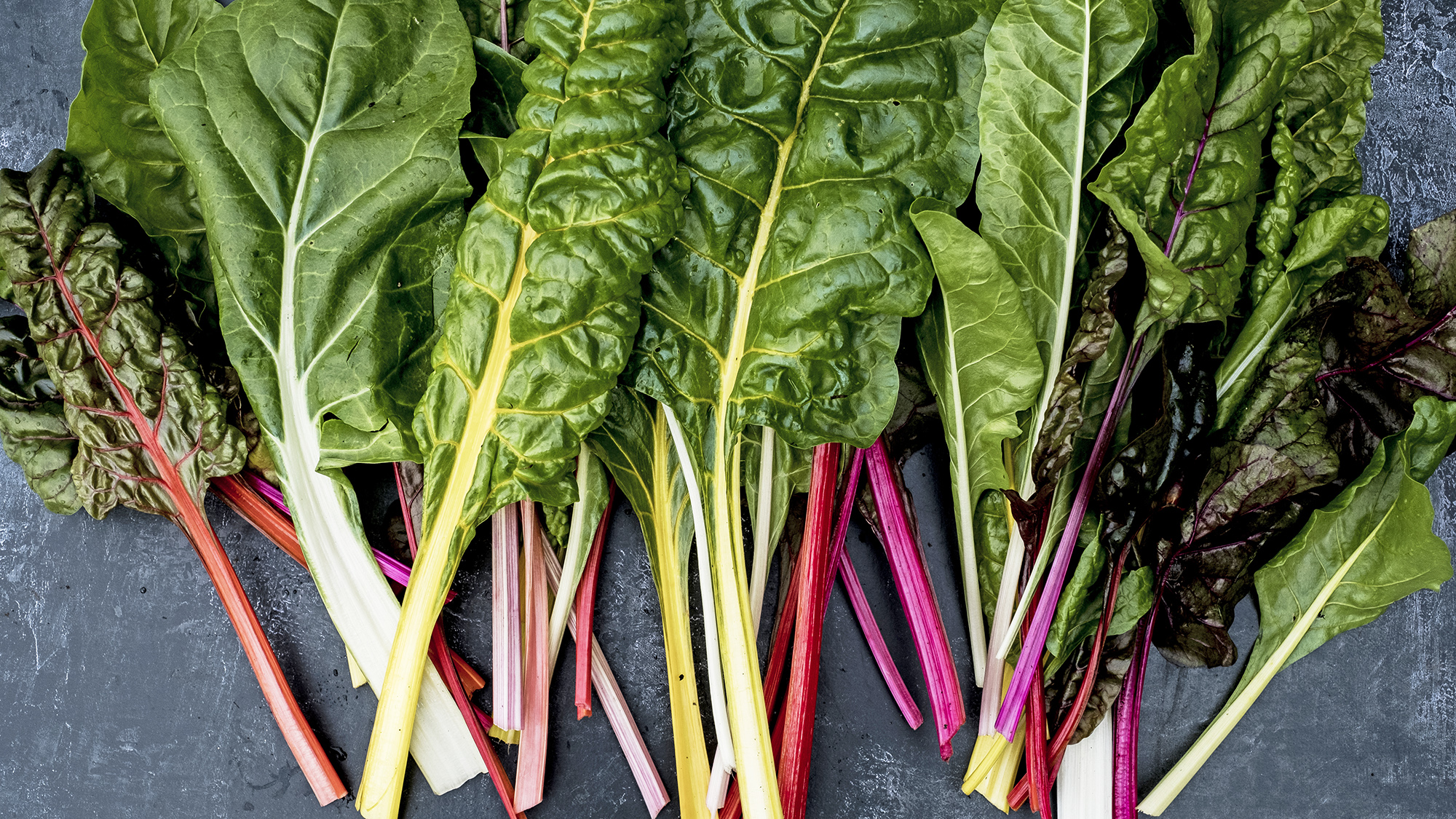
Choosing the right variety is the foundation for successful chard cultivation. Popular options include ‘Bright Lights’ for its rainbow-colored stems, ‘Fordhook Giant’ for large, tender leaves, and ‘Ruby Red’ for striking crimson hues. Consider your climate—heat-tolerant varieties like ‘Perpetual Spinach’ (a chard relative) work well in warmer areas, while cold-hardy types suit cooler regions. Start with seeds from reputable suppliers to ensure high germination rates. Each knobbly seed can produce multiple seedlings, so plan accordingly. This step aligns with semantic SEO by focusing on chard varieties that enhance garden biodiversity and yield.

Aim for varieties that match your growing season; for instance, bolt-resistant ones prevent premature flowering in hot weather. Experimenting with a mix can provide continuous color and flavor variety in your salads and stir-fries. With proper selection, you’ll set the stage for a thriving chard patch that produces from spring through fall.
2. Choose the Perfect Planting Location
Location plays a pivotal role in chard growth. This plant prefers full sun, receiving 6-8 hours of direct light daily, but it can tolerate partial shade in hotter climates to avoid wilting. Opt for a spot with good air circulation to reduce disease risk. In semantic terms, integrating chard into a vegetable garden layout optimizes space and companion planting benefits. Avoid low-lying areas prone to waterlogging, as chard thrives in well-drained sites.
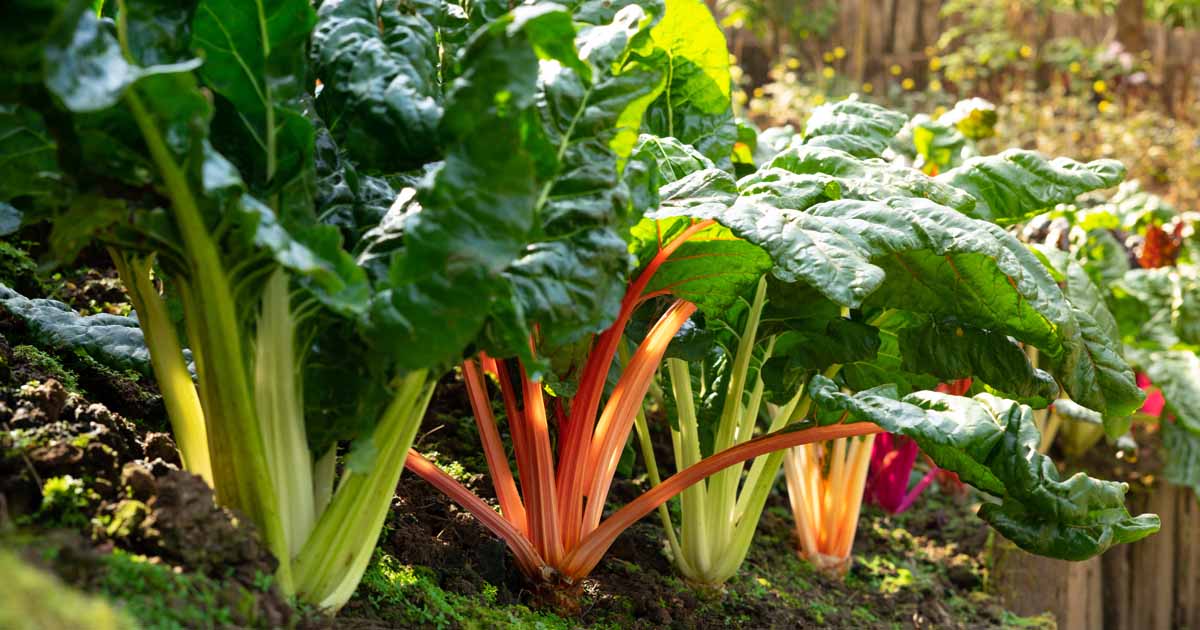
South-facing gardens are ideal for maximum sunlight exposure. If planting near taller crops, ensure chard isn’t overshadowed. This strategic placement not only boosts photosynthesis but also integrates chard seamlessly into your home gardening ecosystem, promoting healthier plants and higher yields.
3. Prepare Your Soil Properly
Soil preparation is crucial for chard, which favors rich, moist, well-drained soil with a pH between 6.0 and 6.8. Amend with compost or aged manure to improve fertility and structure. Work in organic matter to a depth of 6-12 inches, avoiding heavy clay or sandy soils that drain poorly. Semantic SEO emphasizes soil health as a key factor in vegetable gardening success.
Test your soil pH and add lime if needed to reach the optimal range. Incorporating a balanced fertilizer at planting time supports robust root development. Well-prepared soil ensures chard absorbs nutrients efficiently, leading to vibrant leaves and stems that are both nutritious and flavorful.
4. Time Your Planting Correctly
Timing impacts chard’s performance significantly. Sow seeds 2-4 weeks before the last spring frost for early harvests, or 40 days before the first fall frost for autumn crops. Chard germinates best when soil temperatures are 50-85°F. In milder climates, plant year-round for continuous supply. This approach ties into semantic concepts like seasonal gardening and crop rotation.
Direct sow or start indoors for transplants, hardening off seedlings gradually. Proper timing minimizes bolting risks and maximizes the growing window, allowing you to enjoy fresh chard leaves throughout multiple seasons.
5. Space Your Plants Adequately
Adequate spacing prevents overcrowding and promotes healthy growth. Plant seeds 2 inches apart, thinning to 4-6 inches for seedlings and 12-18 inches for mature plants. Rows should be 18-30 inches apart. This spacing facilitates air flow and reduces competition for nutrients, aligning with semantic SEO in efficient garden design.

In containers, space 4-6 plants per 5-gallon pot. Proper spacing ensures each chard plant develops fully, yielding larger, more tender leaves while minimizing disease spread.
6. Water Chard Consistently
Consistent watering is key to preventing bitter leaves and bolting. Provide 1-2 inches of water weekly, keeping soil evenly moist but not saturated. Mulch helps retain moisture. In hot weather, water deeply to encourage root growth. Semantic focus on irrigation techniques enhances overall plant care discussions.
Use drip irrigation to avoid wetting leaves, reducing fungal risks. Regular watering supports vigorous chard production, ensuring a steady supply of fresh greens.
7. Fertilize for Optimal Growth
Fertilize chard with a balanced, organic product like compost tea or fish emulsion every 4-6 weeks. Nitrogen-rich amendments promote leafy growth. Apply at planting and mid-season for best results. This nutrient management is essential in semantic SEO for fertile soil topics.
8. Mulch to Retain Moisture
Mulching around chard plants conserves soil moisture, suppresses weeds, and regulates temperature. Use organic materials like straw or shredded leaves, applying a 2-3 inch layer. This practice supports semantic elements of sustainable gardening.
9. Monitor and Control Pests
Common pests like aphids, leafminers, and slugs can affect chard. Inspect leaves regularly and use organic controls like neem oil or row covers. Encourage beneficial insects for natural pest management. Semantic SEO includes integrated pest management strategies.

10. Prevent Common Diseases
Diseases such as downy mildew and cercospora leaf spot can be prevented with good spacing and dry foliage. Rotate crops and remove infected leaves promptly. Semantic discussions on plant health emphasize prevention.
11. Harvest Chard Regularly
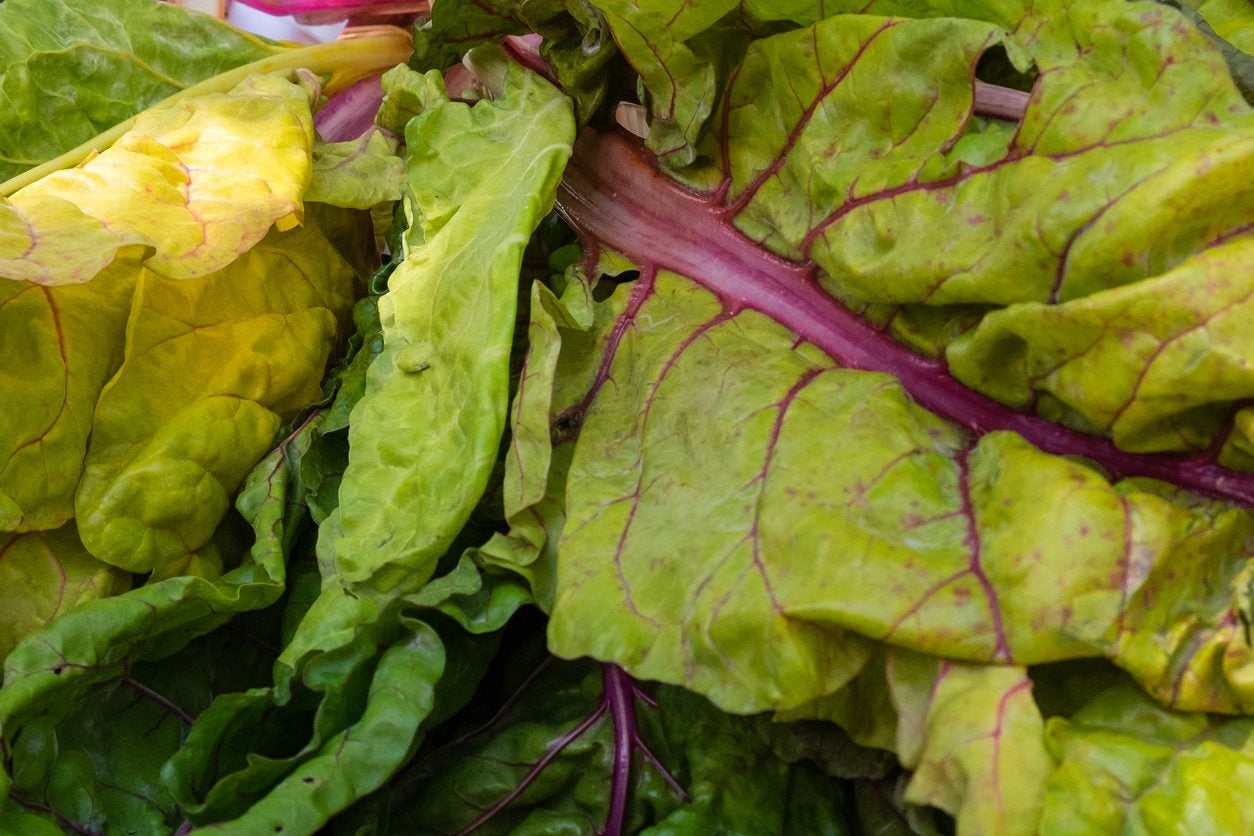
Harvest outer leaves when 6-8 inches tall, leaving inner ones to grow. This “cut-and-come-again” method extends production. Semantic SEO covers harvesting techniques for continuous yields.
12. Use Companion Planting
Pair chard with companions like onions, radishes, or marigolds to deter pests and improve growth. Avoid planting near potatoes or corn. This enhances semantic topics in polyculture gardening.

13. Grow Chard in Containers
Containers offer flexibility for small spaces. Use pots at least 6-8 inches deep with potting mix. Place in sunny spots and water frequently. Semantic SEO includes urban gardening adaptations.

14. Practice Succession Planting
Sow chard seeds every 2-3 weeks for ongoing harvests. This staggers maturity, providing a steady supply. Semantic focus on succession planting optimizes yield.
15. Extend the Growing Season
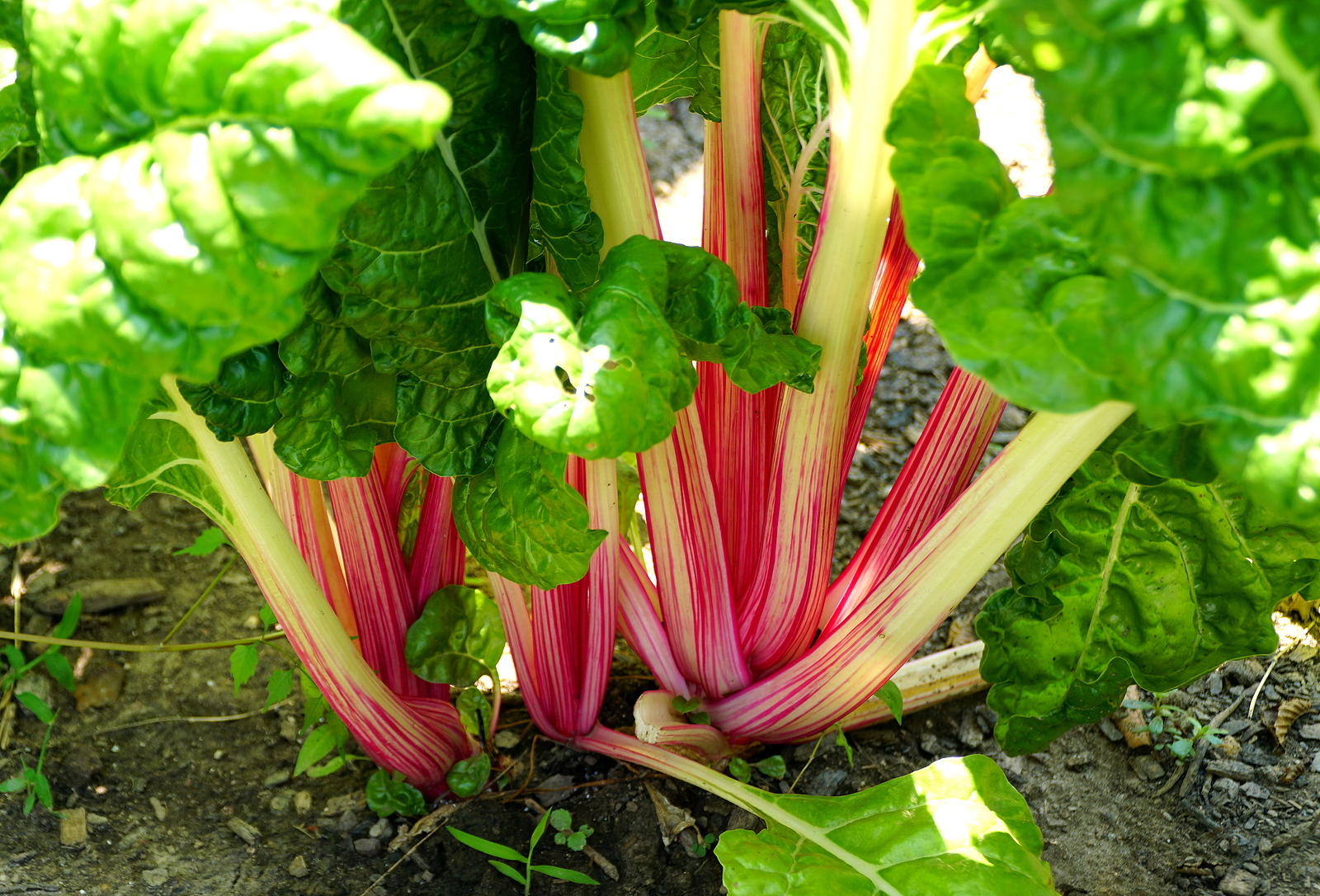
Use row covers or cold frames to protect chard from frost, extending harvests into winter. In mild climates, overwinter for early spring growth. This ties into semantic extended-season gardening.
FAQs
What is the best time to plant chard?
Plant chard 2-4 weeks before the last frost in spring or 40 days before the first fall frost for optimal growth.
How often should I water chard?
Water chard 1-2 inches per week, keeping soil consistently moist but not waterlogged to prevent issues.
Can chard grow in shade?
Chard prefers full sun but can tolerate partial shade, though growth may be slower in low-light conditions.
What pests commonly affect chard?
Aphids, slugs, and leafminers are common; use organic methods like neem oil for control.
How do I know when chard is ready to harvest?
Harvest when outer leaves reach 6-8 inches; cut regularly to encourage new growth.
Is chard easy for beginners?
Yes, chard is hardy and forgiving, making it ideal for novice gardeners.
Can I grow chard indoors?
Chard can be grown indoors with sufficient light (10-16 hours daily) using grow lights.
What soil pH is best for chard?
Aim for a pH of 6.0-6.8; test and amend as needed for best results.
Does chard bolt in heat?
Some varieties bolt in high heat; choose bolt-resistant types for warmer climates.
How long does chard take to mature?
Chard is ready in 50-60 days from seed, but baby leaves can be harvested earlier.
Final Words
Growing chard at home is a rewarding endeavor that brings fresh, nutrient-dense greens to your table while enhancing your garden’s aesthetics. By following these 15 ways, from variety selection to season extension, you’ll cultivate thriving plants with minimal effort. Embrace organic practices and semantic SEO-aligned strategies for sustainable success. With patience and care, your chard patch will provide abundant harvests, inspiring healthier eating and gardening joy. Start today and watch your homegrown chard flourish!


