

18 Back Garden Design Ideas for Relaxing and Functional Spaces
Transforming your backyard into a serene oasis doesn’t have to be overwhelming. Back garden design is all about blending aesthetics with practicality, creating spaces that invite relaxation while serving everyday needs. Whether you have a sprawling lawn or a compact urban plot, thoughtful back garden design can enhance your home’s appeal, boost property value, and provide a personal retreat from the hustle of daily life. In this article, we’ll explore 18 innovative back garden design ideas that prioritize comfort, functionality, and style. From cozy nooks to sustainable features, these concepts draw on timeless principles of landscape architecture to help you craft a backyard that’s both beautiful and usable year-round.
Incorporating elements like native plants, smart zoning, and multi-purpose features is key to effective back garden design. By focusing on semantic aspects such as harmony with nature, user-friendly layouts, and eco-friendly materials, you can achieve a space that feels organic and inviting. Let’s dive into these ideas, each accompanied by visual inspiration to spark your creativity.
1. Cozy Seating Areas
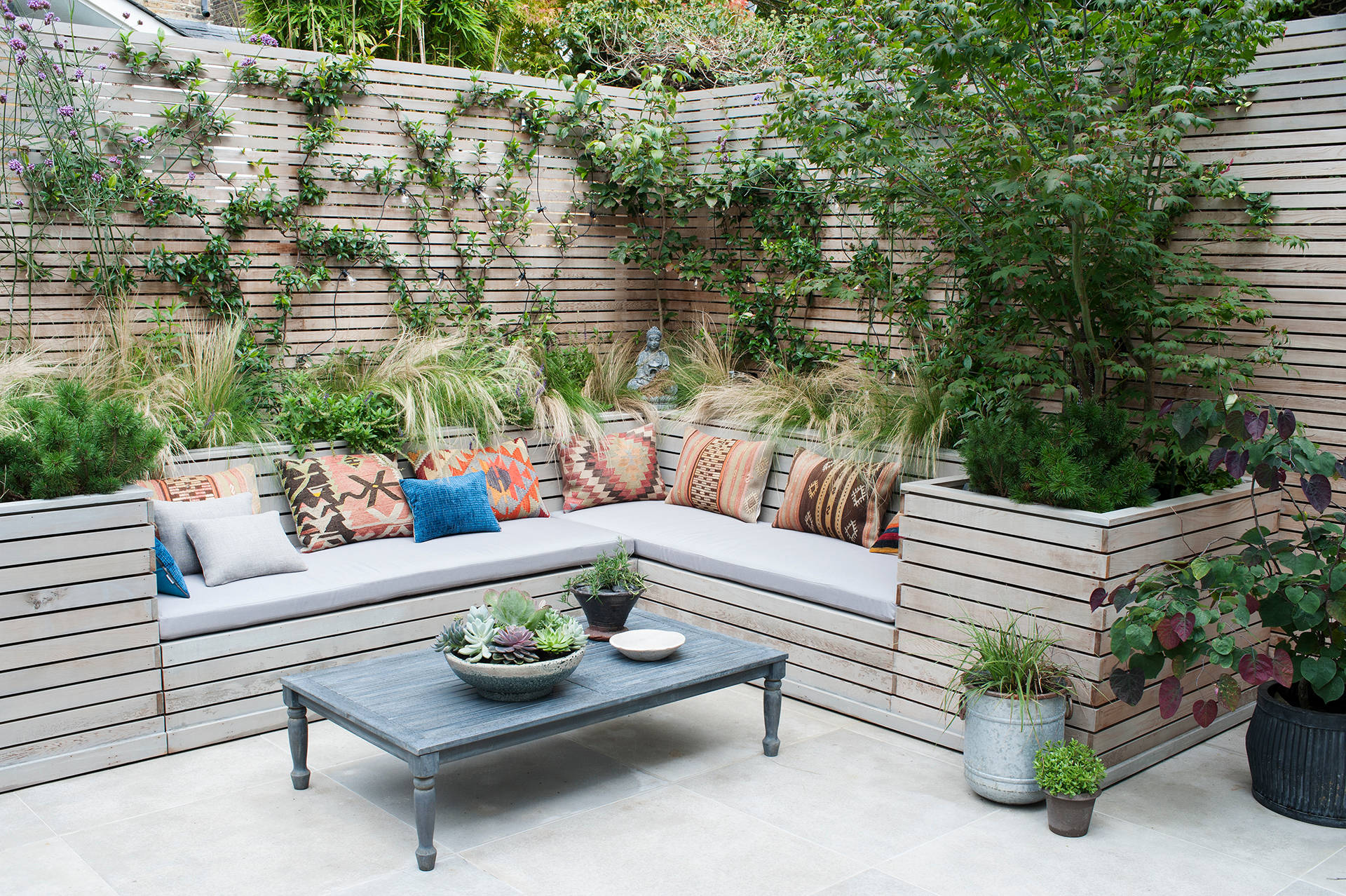
One of the foundational elements of back garden design is creating intimate seating zones that encourage lounging and conversation. Opt for weather-resistant furniture like wicker sofas or Adirondack chairs arranged around a central focal point, such as a small table or planter. Layer with cushions in earthy tones and add throw blankets for cooler evenings. This setup not only maximizes comfort but also defines distinct areas within your garden, making it ideal for reading, sipping coffee, or hosting small gatherings. Consider placing it under a tree for natural shade, enhancing the relaxing vibe.
2. Outdoor Dining Spaces
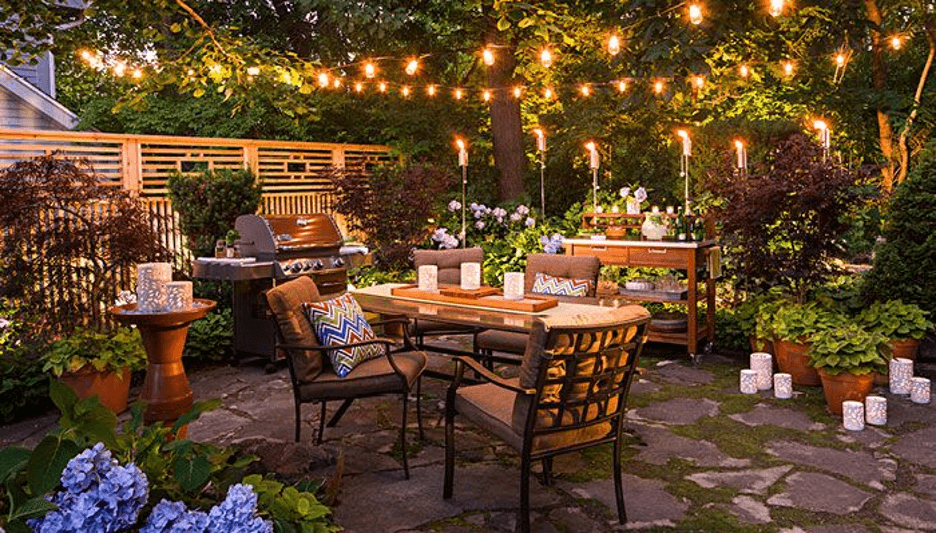
Elevate your back garden design with a dedicated al fresco dining area that turns meals into memorable experiences. A sturdy teak table paired with benches or chairs can accommodate family dinners or barbecues. Surround it with potted herbs for easy access to fresh ingredients, and incorporate overhead string lights for ambiance. This functional space promotes outdoor living, blending seamlessly with your garden’s greenery. For smaller yards, foldable furniture keeps things versatile without sacrificing style.
3. Water Features
Introducing water elements into your back garden design adds a soothing auditory and visual layer. A simple fountain, pond, or bubbling rock can create a tranquil atmosphere, masking urban noise and attracting wildlife like birds and butterflies. Position it near seating areas for maximum enjoyment, and choose low-maintenance options like solar-powered pumps. Water features also contribute to microclimates, cooling the air on hot days and enhancing the overall sensory appeal of your outdoor sanctuary.
4. Vertical Gardens
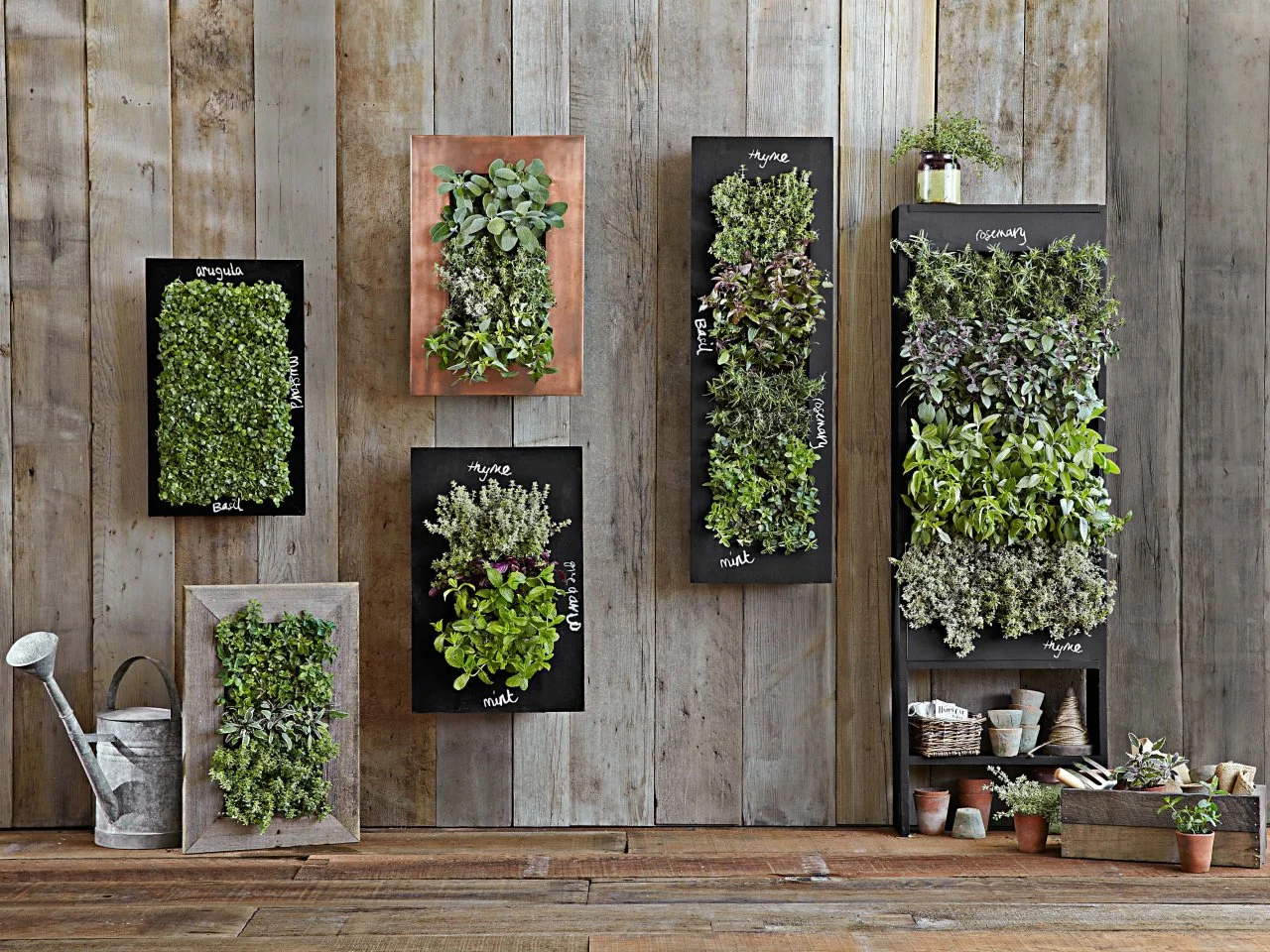
For space-challenged backyards, vertical gardens are a game-changer in back garden design. Use wall-mounted planters, trellises, or living walls to grow vines, succulents, or edibles upward, freeing up ground space. This approach not only maximizes greenery but also provides privacy and insulation for your home. Incorporate drip irrigation for effortless upkeep, turning blank walls into vibrant, functional art pieces that boost biodiversity.
5. Fire Pits
A fire pit serves as a cozy focal point in back garden design, extending usability into cooler months. Choose from built-in stone designs or portable metal bowls, surrounded by gravel or pavers for safety. It fosters gatherings around crackling flames, perfect for roasting marshmallows or stargazing. Integrate seating logs or benches to create a rustic, inviting hub that warms both body and spirit.

6. Pathways and Walkways
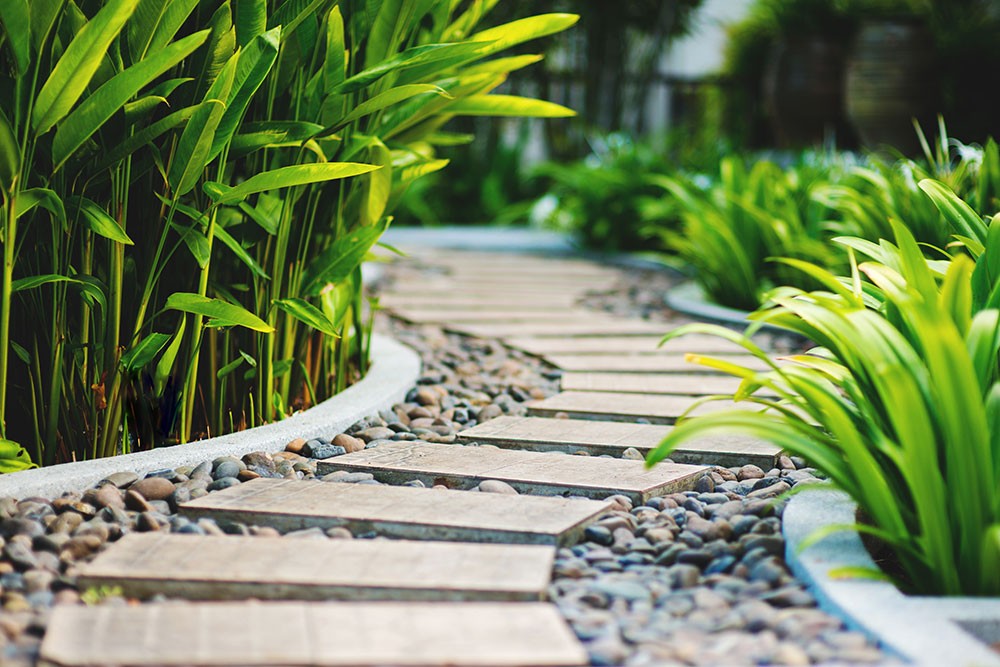
Well-designed pathways guide movement and add structure to your back garden design. Use materials like flagstone, gravel, or recycled bricks to create meandering trails that connect different zones. Line them with low-growing plants or solar lights for added charm and safety. These elements prevent lawn wear while enhancing accessibility, making your garden feel more organized and explorable.
7. Outdoor Lighting
Illuminating your space is essential for evening enjoyment in back garden design. String lights, lanterns, and LED spotlights can highlight trees, paths, or features, creating a magical nighttime ambiance. Opt for energy-efficient, motion-sensor options to blend functionality with aesthetics. Proper lighting extends your garden’s usability, turning it into a safe, enchanting extension of your home after dark.
8. Diverse Plant Selection
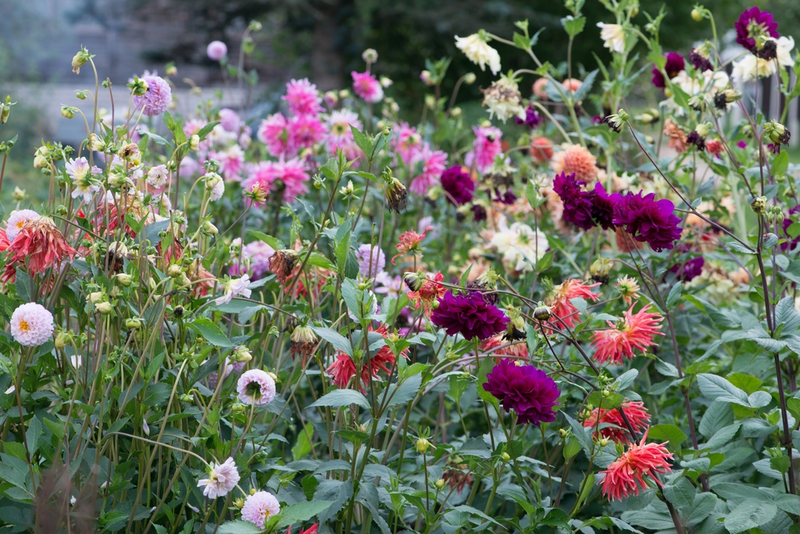
A thoughtful mix of plants is at the heart of successful back garden design. Combine perennials, shrubs, and annuals for year-round interest, focusing on natives to support local ecosystems. Group by height and color for visual depth, and include pollinator-friendly blooms to attract bees and butterflies. This diversity ensures resilience against pests and weather, while providing a dynamic, evolving landscape.
9. Pergolas or Gazebos
Adding a pergola or gazebo introduces architectural interest to your back garden design. These structures provide shade and support climbing plants like wisteria, creating romantic, sheltered spots. Furnish with seating or a swing for a private retreat. They define spaces effectively, offering protection from sun and rain while enhancing the garden’s vertical dimension.
10. Kids’ Play Areas
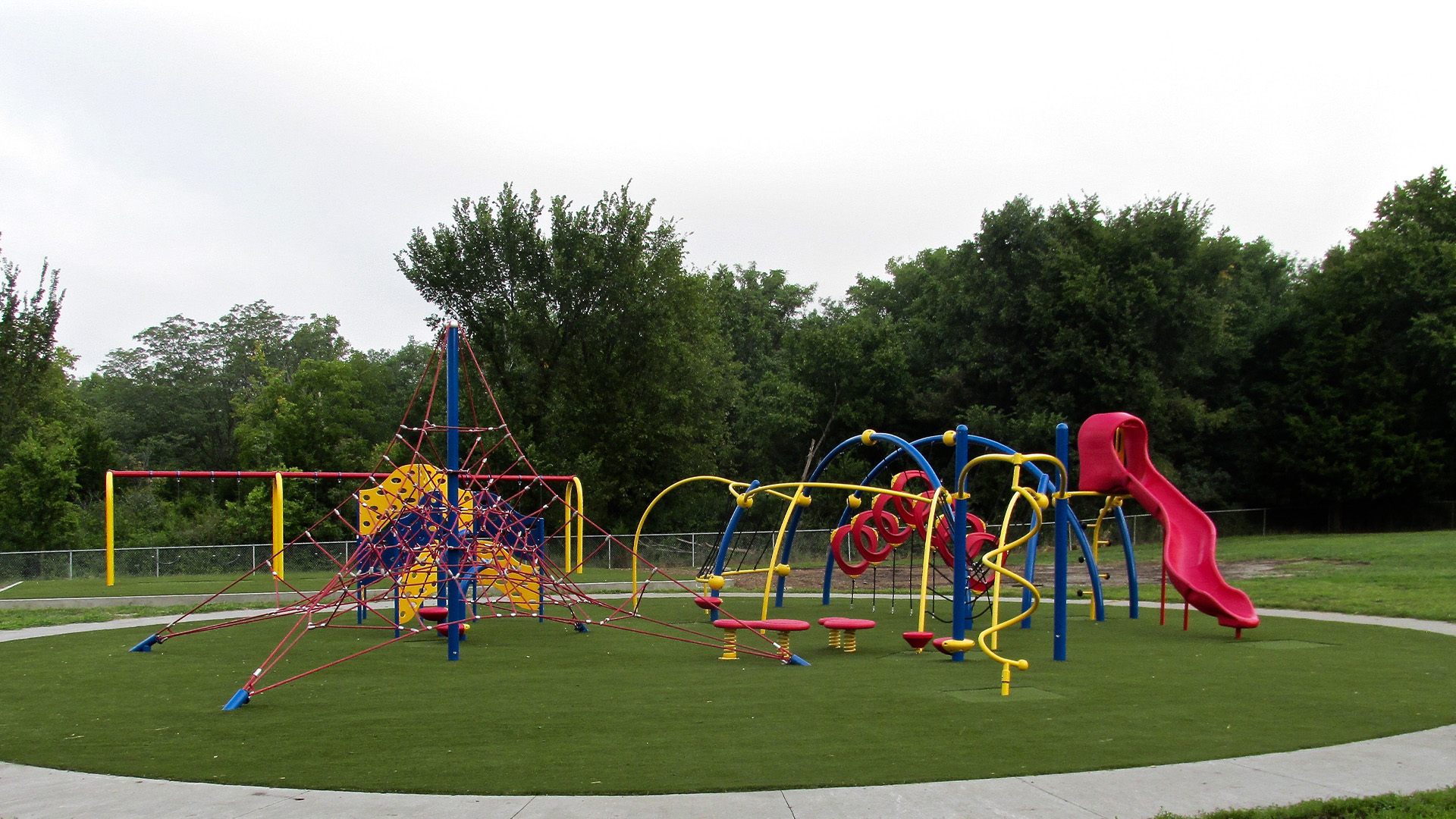
Family-friendly back garden design often includes dedicated play zones for children. Install swings, sandpits, or climbing structures using safe, natural materials. Integrate with the landscape through turf or mulch bases, and surround with soft plants to buffer noise. This functional area keeps kids engaged outdoors, promoting physical activity while maintaining the garden’s overall harmony.
11. Vegetable Gardens
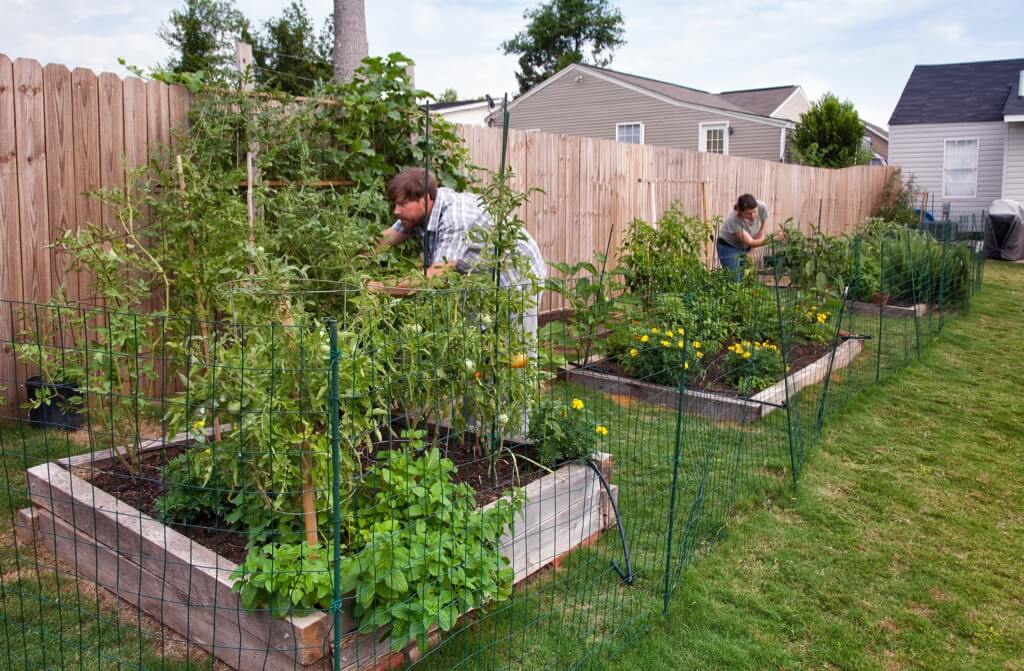
Incorporate edible landscaping into your back garden design with raised beds for vegetables and herbs. This not only provides fresh produce but also adds texture and color. Use companion planting to deter pests naturally, and position near the kitchen for convenience. Sustainable and rewarding, it connects you to the cycles of growth and harvest.
12. Privacy Screens
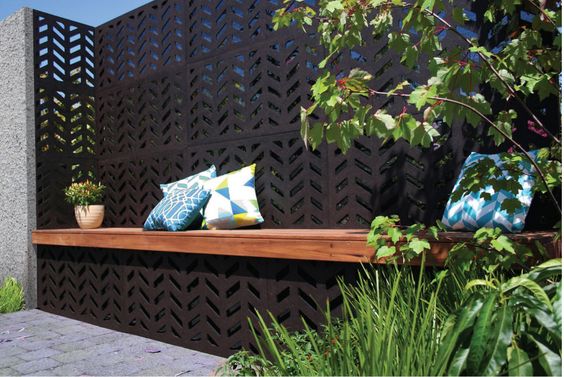
Enhance seclusion in your back garden design with screens made from bamboo, lattice, or hedges. These barriers block views while allowing airflow and light. Plant climbers like ivy for a green, living wall that blends with nature. Privacy features create intimate pockets, making your space feel more secure and personal.
13. Sustainable Features
Eco-conscious back garden design incorporates rain barrels, compost bins, and permeable surfaces to manage water and reduce waste. Native plantings and solar features minimize maintenance and environmental impact. These elements promote biodiversity, conserve resources, and align your space with sustainable living principles.
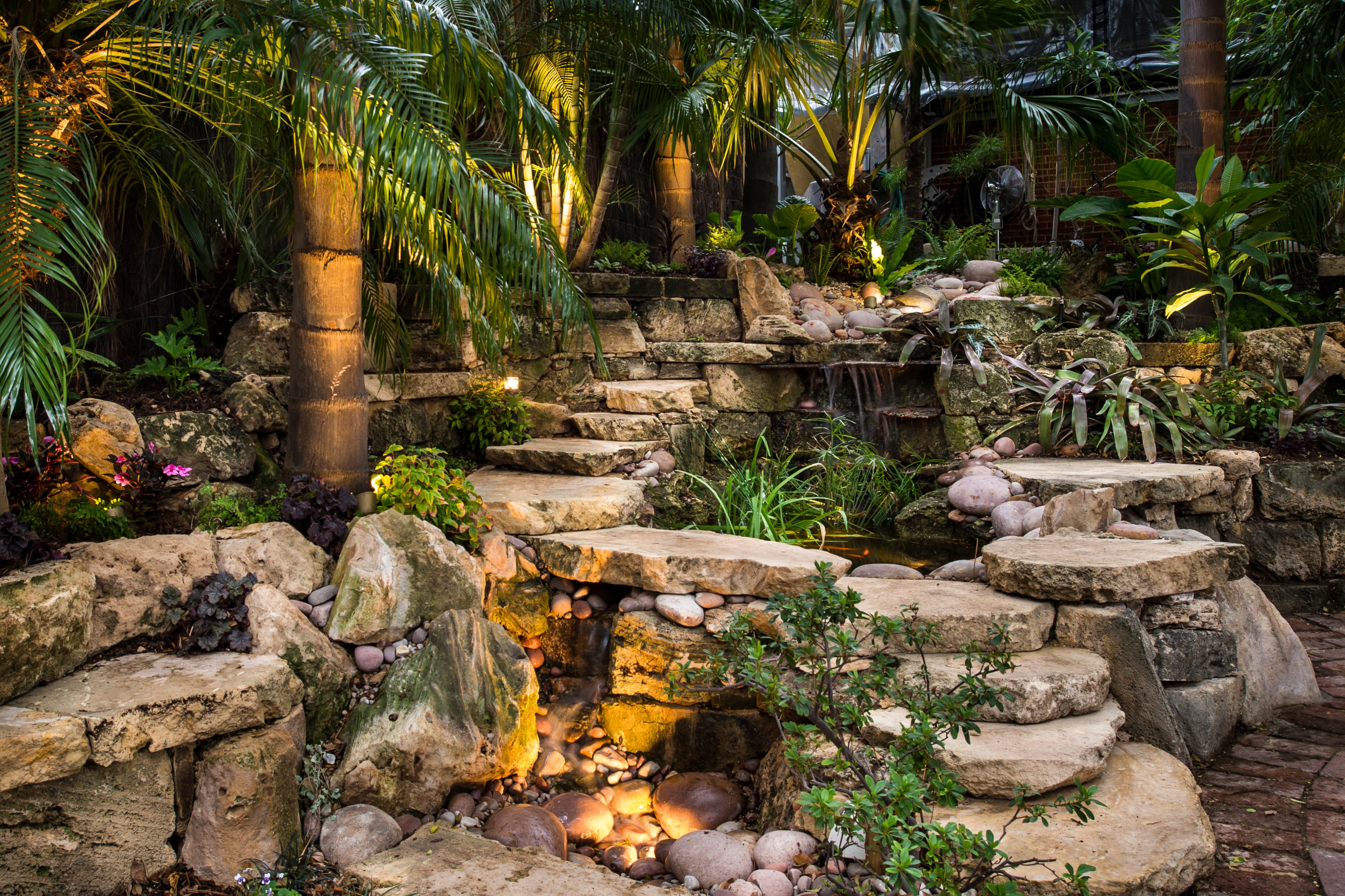
14. Outdoor Kitchens
For culinary enthusiasts, an outdoor kitchen elevates back garden design to a new level. Include a grill, sink, and prep counters using durable materials like stainless steel. This functional extension allows for seamless entertaining, keeping the indoors clean while enjoying fresh air.
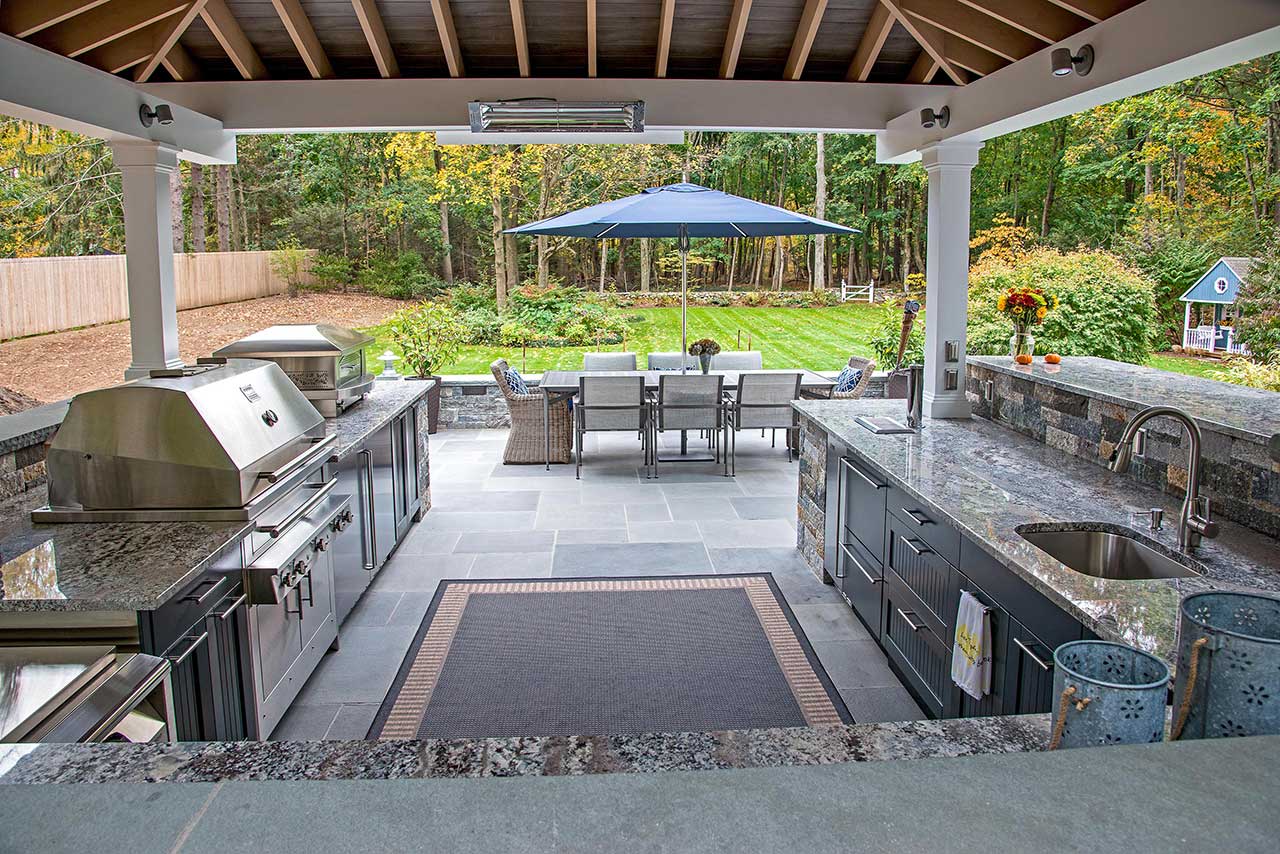
15. Hammocks or Swings
Suspend a hammock or swing in your back garden design for ultimate relaxation. Anchor between trees or on a stand, and add mosquito netting for comfort. This simple addition creates a peaceful reading or napping spot, swaying gently amid the greenery.
16. Art and Sculptures
Personalize your back garden design with sculptures, birdbaths, or metal art pieces. Place them strategically to draw the eye and add character. Weather-resistant materials ensure longevity, turning your garden into an open-air gallery that reflects your style.
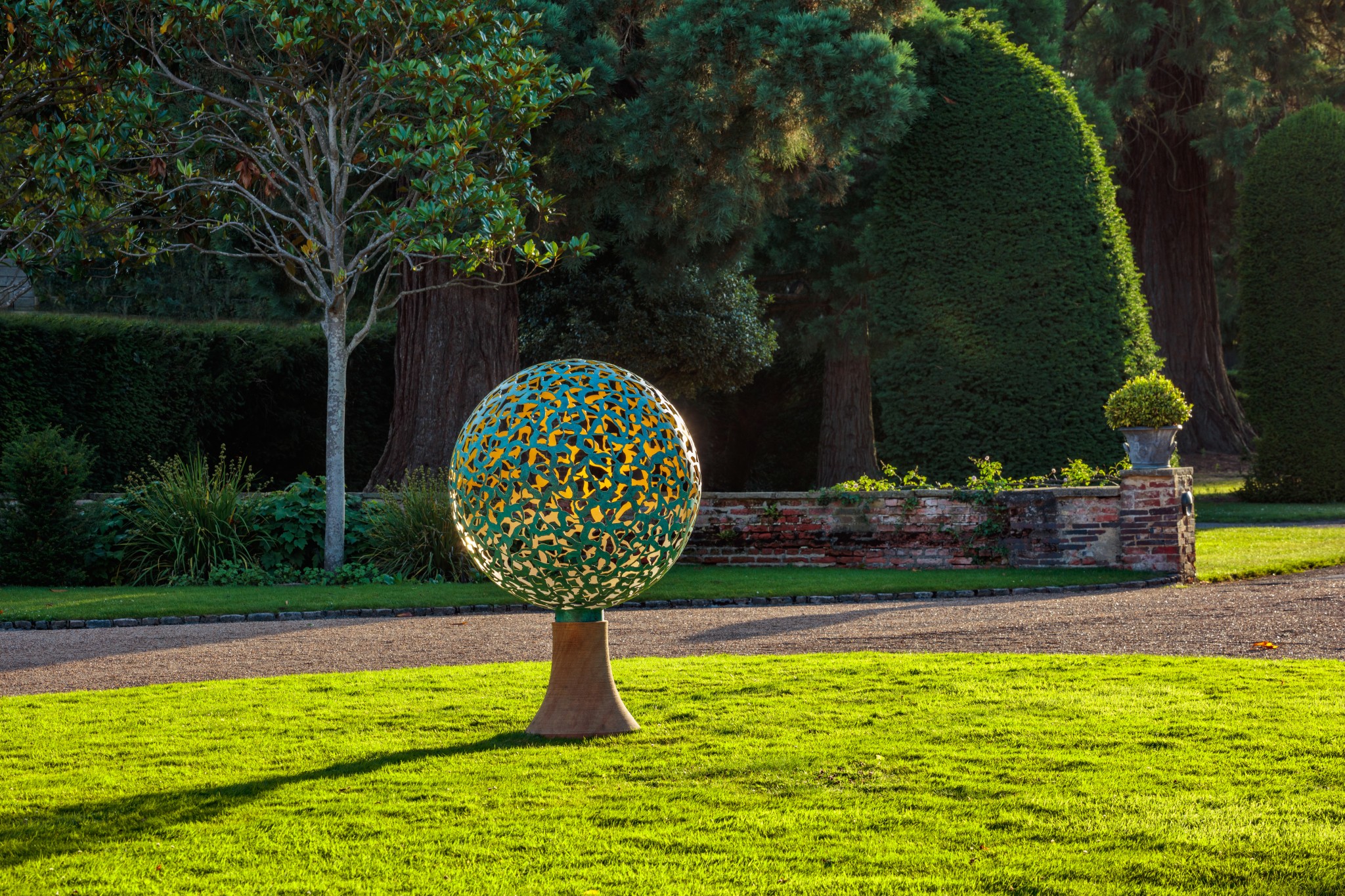
17. Multi-Level Decking
Multi-level decks add dimension to back garden design, creating zones for lounging, dining, and planting. Use composite materials for durability and low upkeep. Steps and railings ensure safety, while built-in planters soften edges, making the space feel expansive and integrated.
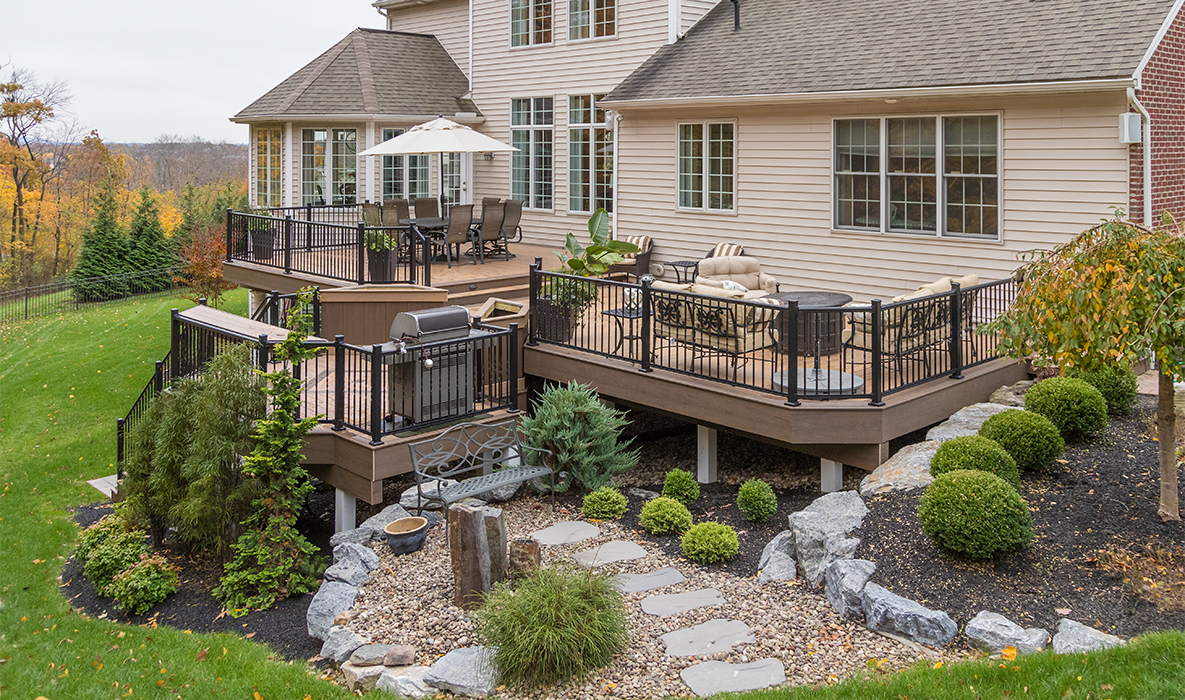
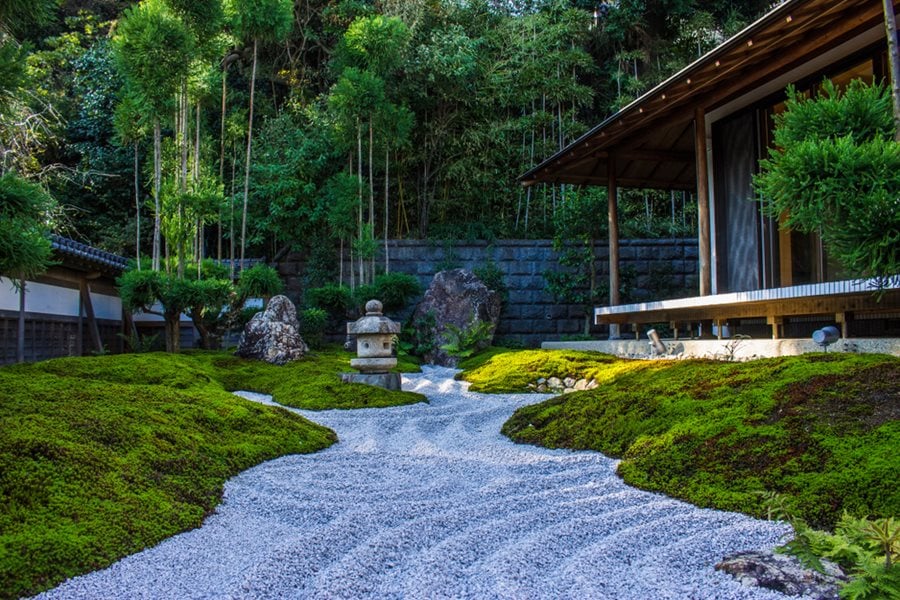
18. Zen Gardens
Embrace minimalism in back garden design with a Zen-inspired area featuring raked gravel, rocks, and sparse plants. This contemplative space promotes mindfulness, using asymmetry and natural elements for balance. Ideal for meditation, it offers a low-maintenance haven of peace.
FAQs
What is back garden design?
Back garden design refers to the planning and arrangement of outdoor spaces behind a home to create aesthetically pleasing, functional areas. It involves elements like landscaping, hardscaping, and zoning to suit lifestyles, incorporating plants, structures, and features for relaxation and utility.
How do I start planning my back garden design?
Begin by assessing your space, budget, and needs. Sketch a layout, consider sun exposure and soil type, and prioritize features like seating or paths. Consult professionals if needed, and focus on sustainable practices for long-term success.
What are some budget-friendly back garden design ideas?
Opt for DIY elements like pallet furniture, seed-grown plants, or repurposed materials for paths. Vertical gardens and simple lighting can transform spaces affordably while maintaining functionality.
How can I make my back garden design eco-friendly?
Incorporate native plants, rainwater harvesting, and composting. Use permeable surfaces to reduce runoff and solar-powered lights to minimize energy use, enhancing biodiversity and sustainability.
What maintenance tips are there for back garden design?
Regular pruning, mulching, and watering keep plants healthy. Clean hardscapes seasonally, and choose low-maintenance materials to reduce upkeep, ensuring your garden remains vibrant with minimal effort.
Can back garden design increase home value?
Yes, well-executed designs improve curb appeal and usable space, potentially boosting property value by 10-20%. Features like decks or water elements are particularly attractive to buyers.
Final Words
Back garden design is more than just aesthetics—it’s about crafting a personal haven that reflects your lifestyle and connects you with nature. By implementing these 18 ideas, you can create relaxing and functional spaces that evolve with your needs. Remember, the best designs start small and grow organically, so experiment and enjoy the process. Your backyard has the potential to become a cherished extension of your home, offering endless moments of peace and joy.

